
Impact of Tariffs

How tariffs reshape business decisions

How tariffs reshape costs, supply chains, jobs, and prices

Introduction to Impact of Tariffs 

In this final lesson, you’ll explore how tariffs can influence different areas of the economy, from industries and supply chains to jobs, prices, and long-term planning. 

Trade policies like tariffs may shift production costs, affect product availability, and shape business decisions around hiring and investment. 

This lesson also highlights how companies of different sizes respond to such changes, using real-world strategies to manage risks and adapt to evolving trade environments.
23-13.png

Challenges and Opportunities 

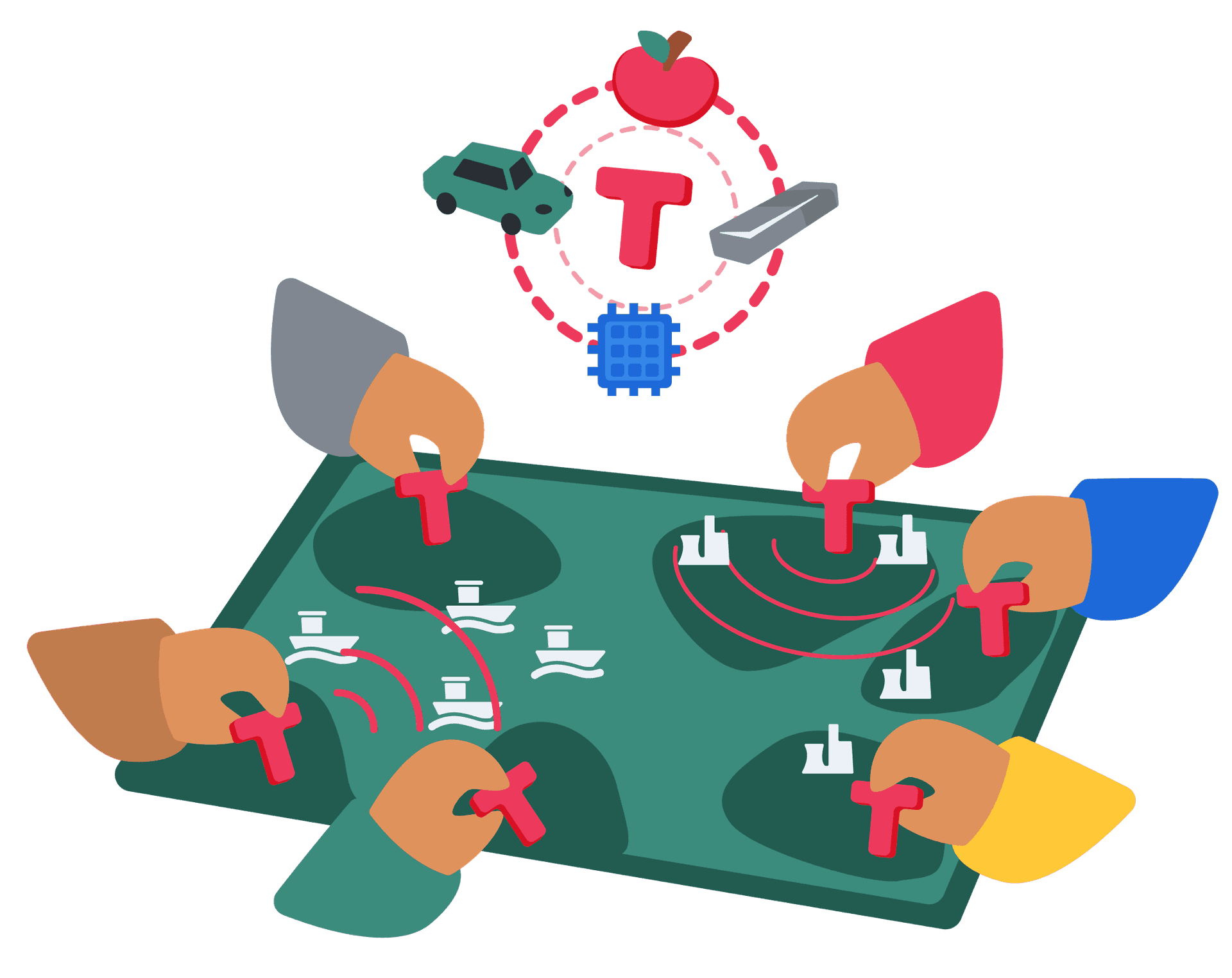
When one country raises tariffs, others may respond with similar measures, leading to a trade dispute

This back-and-forth can spread to many types of goods, including those not related to the original tariff. 

For example, a tariff on steel might result in a tariff on agricultural products. 

While trade disputes can create uncertainty for businesses, they may also increase demand for local alternatives, support certain industries, and lead to updated trade talks or new agreements.

Operational Impacts 

Tariffs can lead businesses to change how they get supplies and ship products. 

Some switch routes or ports due to new rules, causing delays and more paperwork. 

However, these adjustments can help in the long run. 

Businesses may start using more than one supplier, store extra materials nearby, or adopt real-time tracking tools and automated inventory systems that spark new ways to monitor shipments and adjust production quickly when conditions change.

Impact on Investment and Innovation 

Tariff changes influence how companies plan investment in factories, research, and workforce skills. 

Some projects pause until trade rules become clearer, and higher import costs can tighten budgets for upgrades. 

Yet tariffs can also spark useful breakthroughs. 

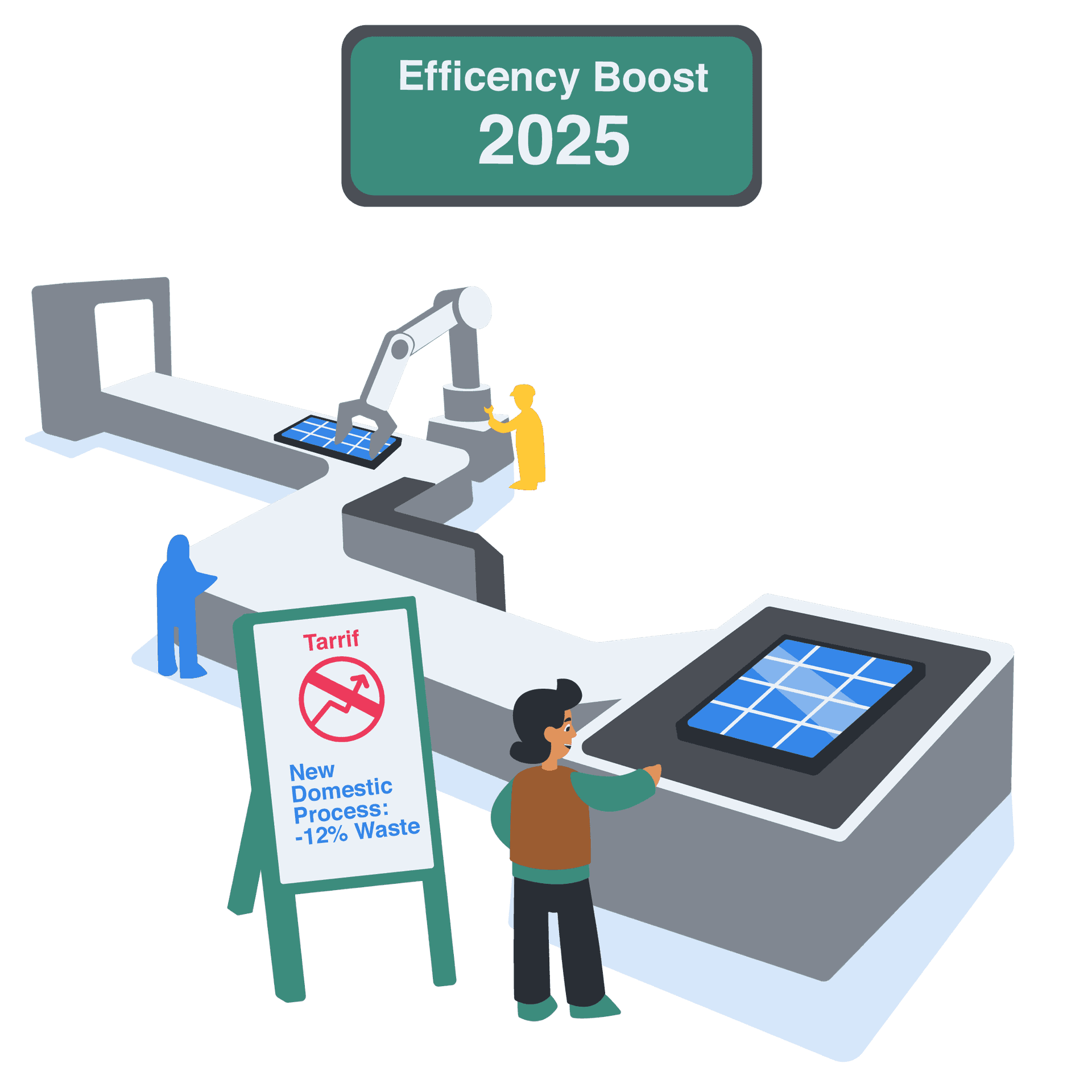
When tariffs on solar panels increased, US manufacturers responded by investing in high-efficiency cells and automated assembly lines. 

These improvements reduced waste, trimmed costs, and helped the firms compete better in the global marketplace.

23-14.png

Daniel Navigates Disruption 

Daniel’s furniture business begins to feel the effects of new tariffs soon after they are announced. 

His imported wood becomes 25% more expensive, and hardware costs rise from $4.20 to $5.04 per piece. 

Customs procedures grow more complex, and a key shipment arrives nearly two weeks late, slowing production. 

In response, Daniel explores using multiple suppliers, stores extra parts onsite, and begins testing an automated tracking system to better manage changes and reduce future disruptions.

Do you want to learn more?
Download InvestMentor to access the full lesson and explore interactive courses that build your financial knowledge and guide you toward smarter investing decisions.