
Free Trade vs. Protectionism

Free Markets or Tariff Walls?

Explore the trade-offs behind tariffs and free trade

 Introduction to Free Trade vs. Protectionism 

In this lesson, you’ll explore two contrasting approaches countries use to manage trade: free trade and protectionism

You’ll learn what each strategy means in practice, why nations choose to adopt them under different circumstances, and how these policies shape economic outcomes. 

You’ll also discover how they affect consumers, workers, industries, and small businesses like Daniel’s, influencing everything from prices and wages to competitiveness, innovation, and the availability of goods and services.
What Is Free Trade? 

Free trade means countries lower or remove barriers like tariffs, quotas, and import taxes so goods and services can move more easily across borders. 

This creates bigger markets and encourages more competition among producers. 

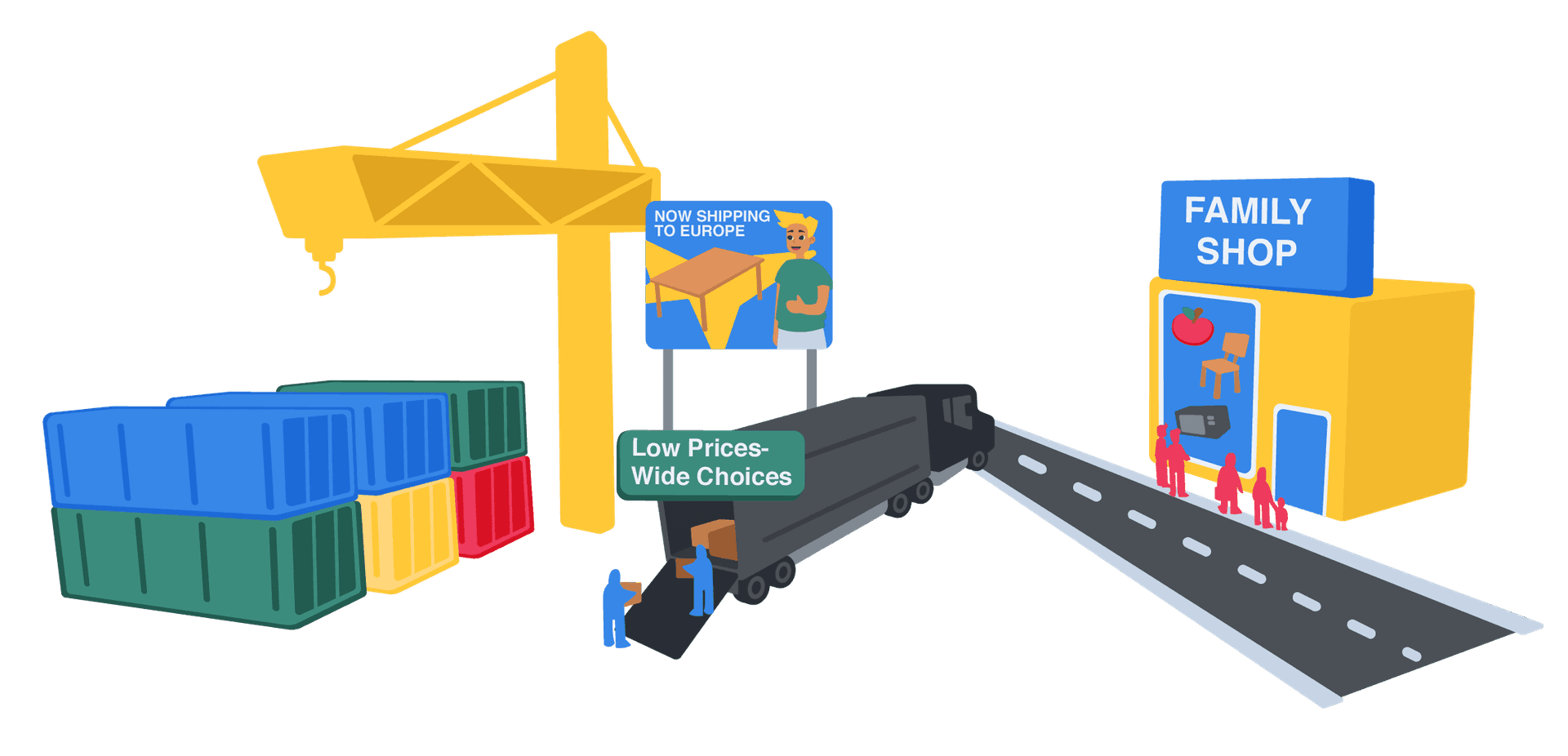
Supporters believe free trade helps consumers by lowering prices and offering more choices. 

Companies can also find new customers in other countries. 

However, open markets can also bring faster changes, price swings, and stronger foreign competition for local businesses.

What Is Protectionism? 

Protectionism uses tools like tariffs, quotas, and subsidies to limit imports and protect local industries from foreign competition. 

By making imported goods more expensive, governments encourage people to buy products made at home instead. 

This approach can help save jobs in certain sectors, support young or growing industries, and protect areas that are important for national security. 

However, it can also raise prices for everyday items and lead to fewer product choices for consumers in the long run.

23-05.png

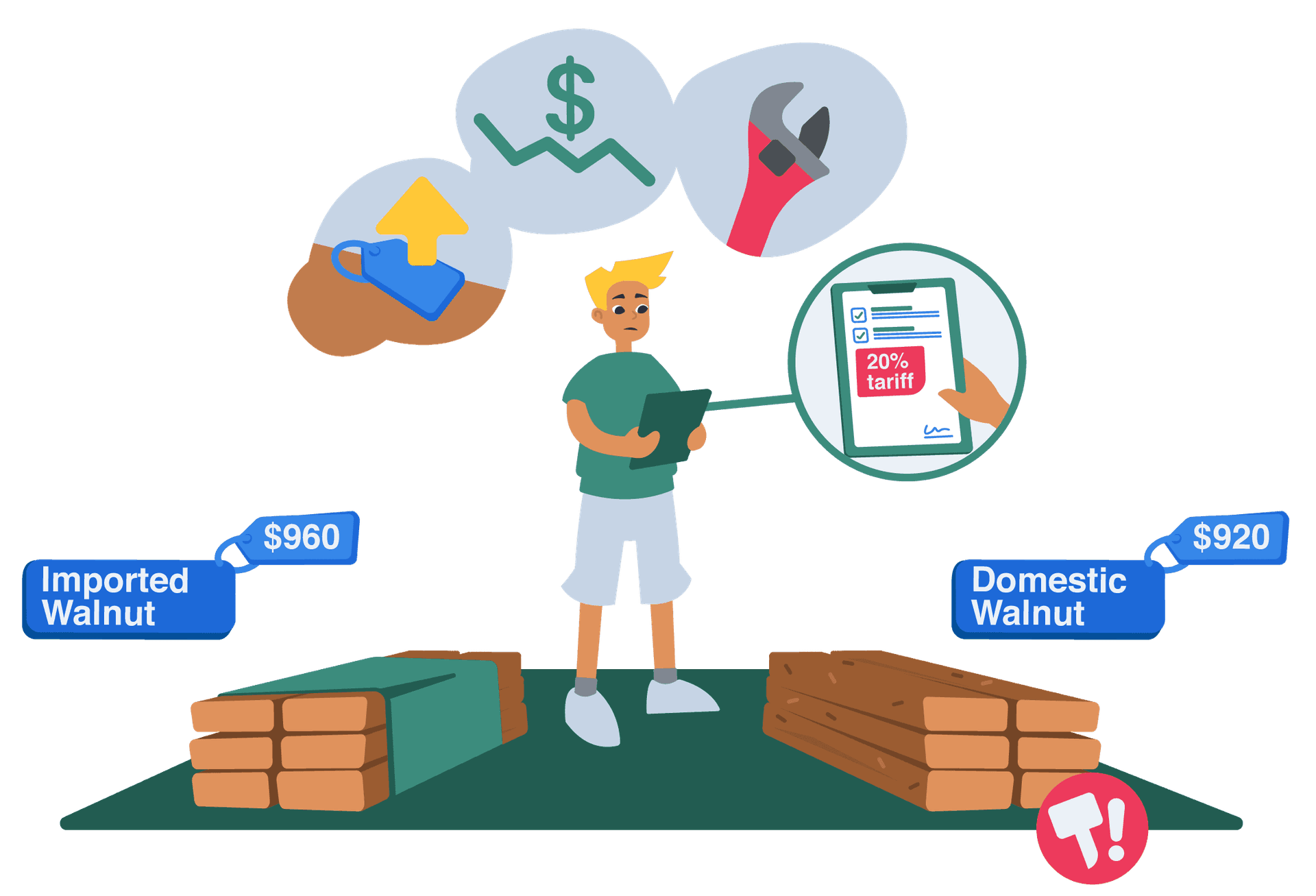
Daniel Faces New Tariffs 

Daniel relies on imported walnut wood to craft his desks. 

A new 20% tariff now adds $160 per cubic meter, lifting the price from $800 to $960 and raising his monthly wood bill by $960 since he buys 6 cubic meters. 

He must weigh three paths: 

  • Absorb the extra cost and accept lower profits,
  • Raise desk prices by $75 each and risk losing customers to competitors,
  • Switch to a domestic supplier whose wood costs $920 per cubic meter

However he needs extra time and tools to meet the standards his buyers expect.

23-06.png

Benefits of Free Trade 

Free trade offers many benefits for both consumers and businesses. 

Shoppers often pay lower prices because imports arrive without tariffs or quotas. 

A wider variety of products becomes available year-round. 

Companies that export gain access to larger overseas markets and can spread fixed costs across more sales. 

Competition from abroad pressures firms to improve quality, cut waste, and adopt new technology, raising productivity and spurring economic growth over time.

Do you want to learn more?
Download InvestMentor to access the full lesson and explore interactive courses that build your financial knowledge and guide you toward smarter investing decisions.