Futures Pricing - Practice

From Theory to Trade

Use your pricing skills to unpack this crude oil trade tip.

ChatGPT Image Jul 18, 2025, 12_37_24 PM - Transparent.png

The Hot Tip 

Your phone rings at 7:30 AM. it's Marcus, your trading buddy. 

"I've got something hot," he says excitedly. "Crude oil futures are trading at $105 per barrel for December delivery. Spot is at $100. With all this tension, we could make a killing!" 

You set down your coffee. The $5 spread catches your attention, but you've learned that in futures markets, math beats emotion. 

Here's what you know: 

  • Current Oil Price: $100/barrel
  • December Futures: $105/barrel
  • Time to December: 6 months
  • Interest Rate: 3% per year

Image2 1.png

You clear your kitchen table and pull out a fresh notepad. 

In futures markets, there's a fundamental relationship at play. If you bought oil today, you'd tie up cash that could earn interest. 

With futures, you lock in a price but pay nothing until delivery. 

This timing difference creates the baseline for futures pricing. 

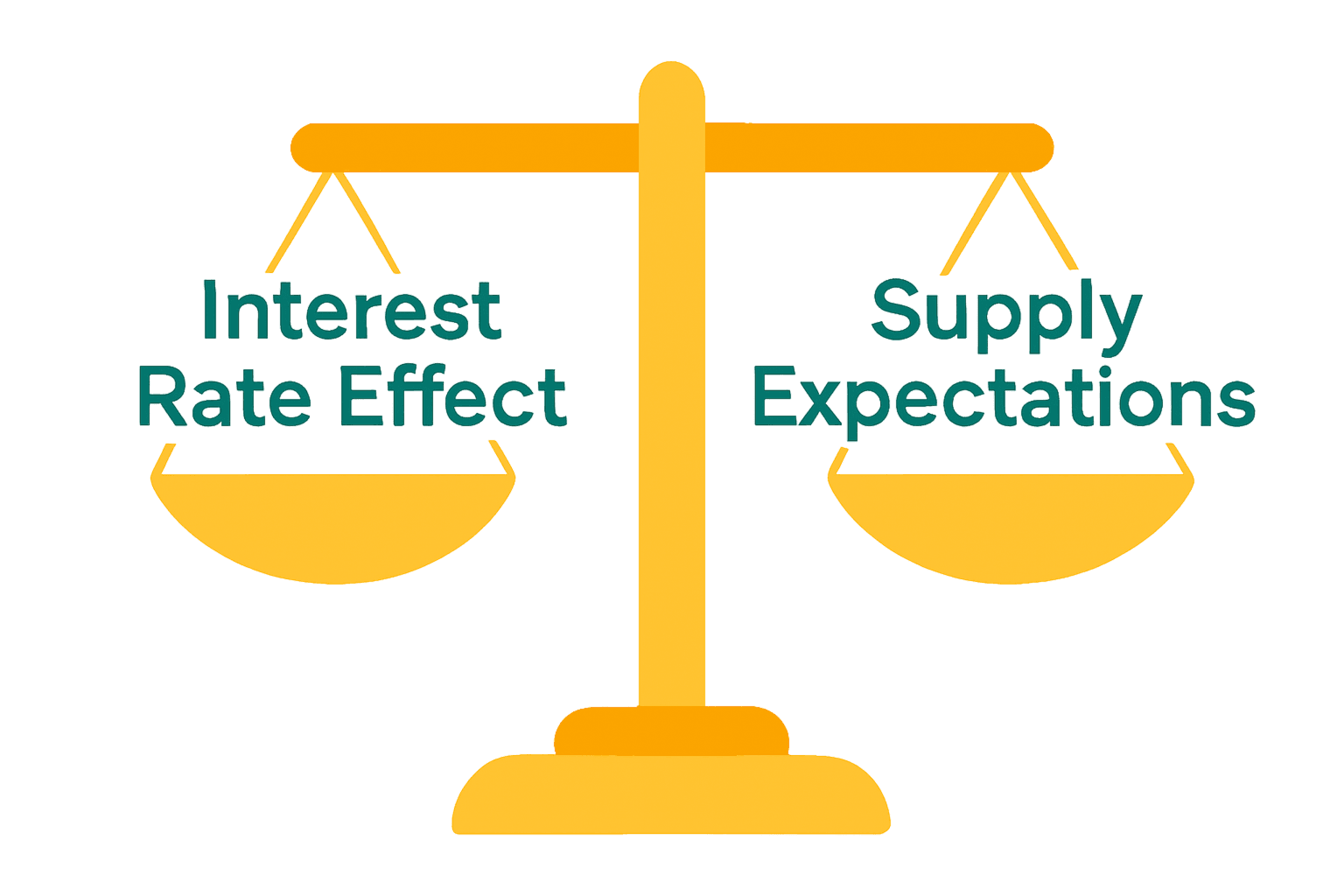
The question is: what should that baseline be, and what else might be affecting the price?

Image1 1 (1).png

The more you look at the numbers, the clearer the puzzle becomes. 

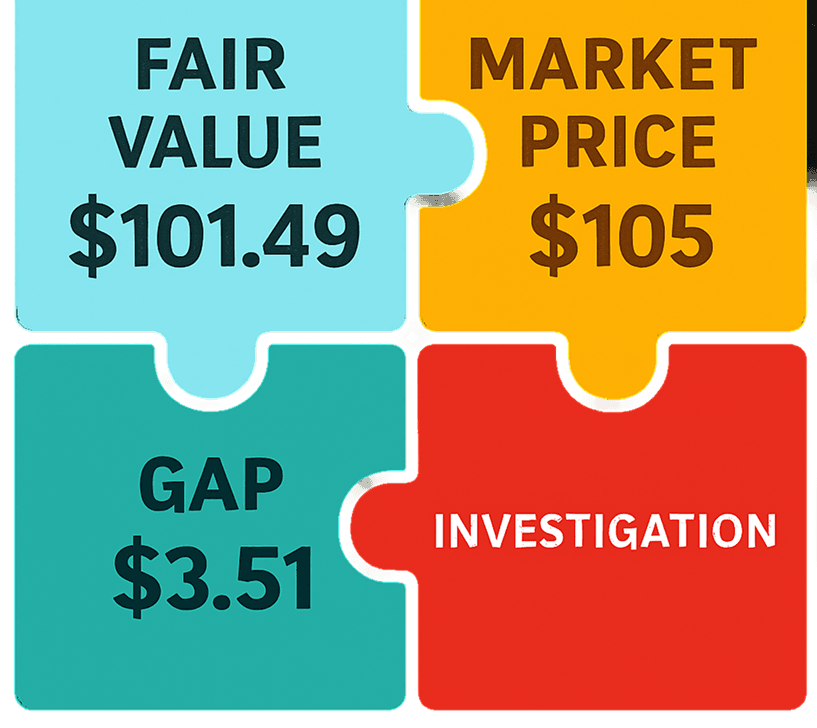
Your baseline calculation puts fair value at $101.49, yet the market is confidently trading at $105. 

That $3.51 gap isn't random; it's telling a story. 

Before making any trading decisions, you need to investigate what's driving this premium.

ChatGPT Image Jul 18, 2025, 01_16_22 PM - Transparent.png

Just as you start researching further, Marcus calls again, this time, sounding more informed. 

"Talked to a guy in Houston," he says. "Big-time energy trader. Says everyone's nervous about supply chains. 

Pipeline issues, geopolitical tensions, the works. That's why futures are trading high."

 Suddenly $3.51 makes perfect sense. 

The market isn't overpricing oil, it's pricing in genuine supply risk. 

When traders fear shortages, they bid up futures prices well beyond the baseline interest rate relationship.

From Theory to Market Reality 

Today you learned that prices in the market don’t just come from math. 

They come from real-world worries too. 

At first, it seemed like oil was priced too high. 

But after learning more, you realized the higher price was a sign that people were concerned about future supply problems, like storms or political issues. 

The market wasn’t making a mistake. It was warning about possible risks. 

You saw that while formulas can help explain how prices should work, real markets often move because of fear, news, or uncertainty.