

Commodity Futures

Future-proofing commodities

Trade commodity futures to hedge price volatility in key sectors.

06-17.png

Introduction

Building on his newfound understanding of futures, Theodore explores commodity futures to manage raw material costs for his manufacturing business. 

Commodity futures are standardized contracts to buy or sell physical commodities at a predetermined price on a specific future date. 

They enable producers and consumers to hedge against price volatility. 

Commodities are categorized into agricultural products, energy resources, and metals, such as the steel essential to Theodore's operations.

Agricultural Futures Explained

Agricultural futures involve contracts for crops like wheat, corn, and soybeans, which are staples in global food supply and trade. 

These contracts help farmers and food producers hedge against price fluctuations. 

For instance, a drought can reduce crop yields, driving prices up, while a bumper harvest might lower prices due to oversupply. 

By locking in prices through futures contracts, participants can secure predictable revenues or costs, contributing to market stability.

06-07.png

Energy Futures in Focus

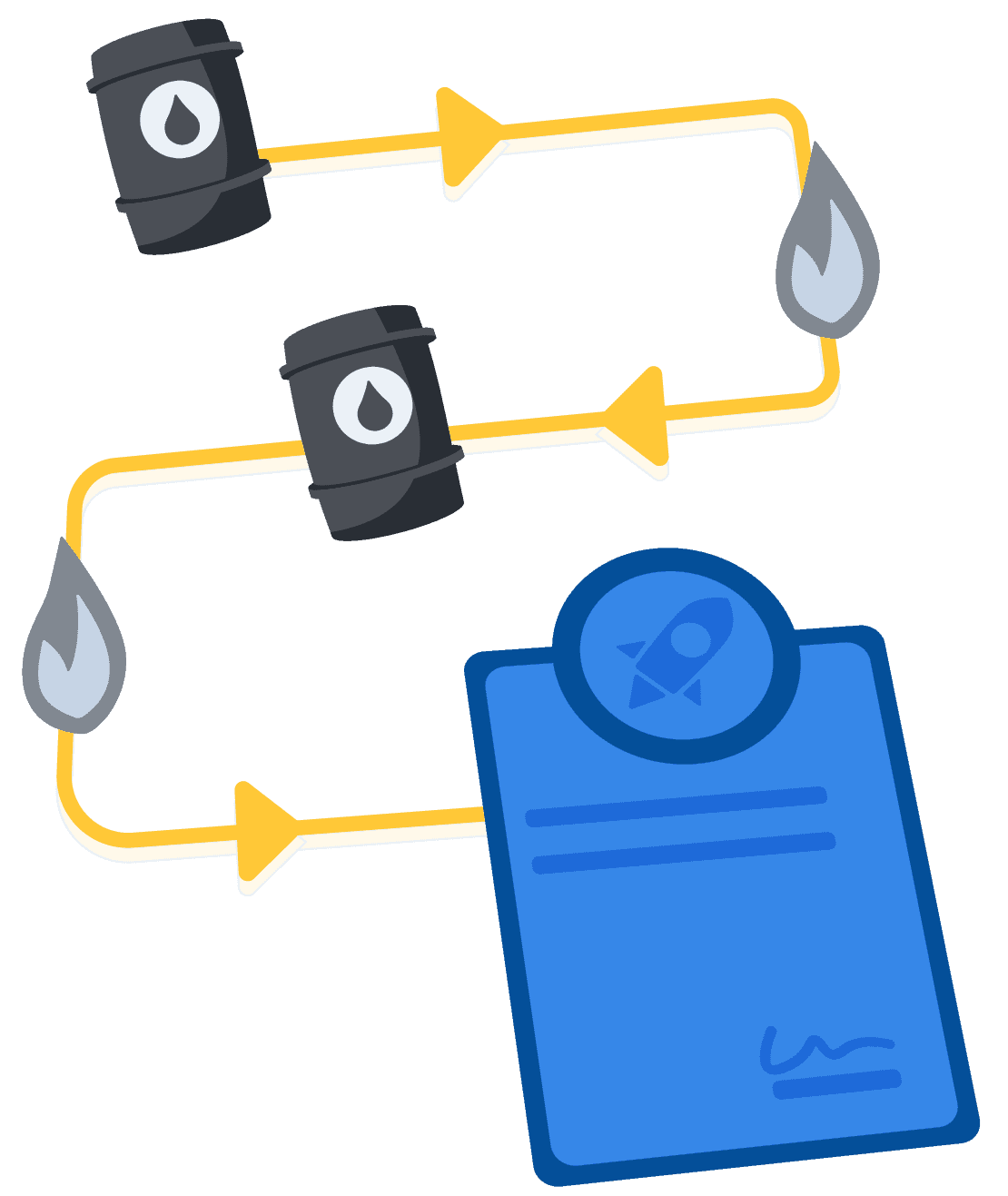
Energy futures cover commodities such as crude oil and natural gas, vital to the global economy for transportation, heating, and industrial processes. 

Crude oil futures are among the most actively traded contracts, with prices influenced by geopolitical events, OPEC production decisions, and global economic growth. 

Natural gas futures are affected by factors like seasonal demand for heating or cooling and shifts toward renewable energy sources. 

Energy futures enable hedging against price volatility.

Theodore Evaluates Energy Futures

Theodore's monthly energy bill has surged from $20,000 to $30,000 due to volatile natural gas prices. 

To stabilize costs, he considers natural gas futures trading at $3 per million BTUs (British thermal units). 

By purchasing futures contracts for his anticipated usage over the next six months, he locks in this price. If market prices rise to $4, he avoids a $10,000 increase. 

This hedging strategy ensures his energy expenses remain at $3 per million BTUs, safeguarding profit margins against unpredictable energy price spikes.

06-08.png

Metals Futures Overview

Metals futures include contracts for precious metals like gold and silver, and industrial metals such as copper and steel. 

Precious metals act as safe-havens, hedging against inflation and currency fluctuations. 

Industrial metals are essential for construction, manufacturing, and technology industries. 

Prices are driven by global economic growth, demand, and supply factors like mining output. 

Participants use metals futures to hedge against price volatility and secure necessary materials for their operations.

Do you want to learn more?
Download InvestMentor to access the full lesson and explore interactive courses that build your financial knowledge and guide you toward smarter investing decisions.