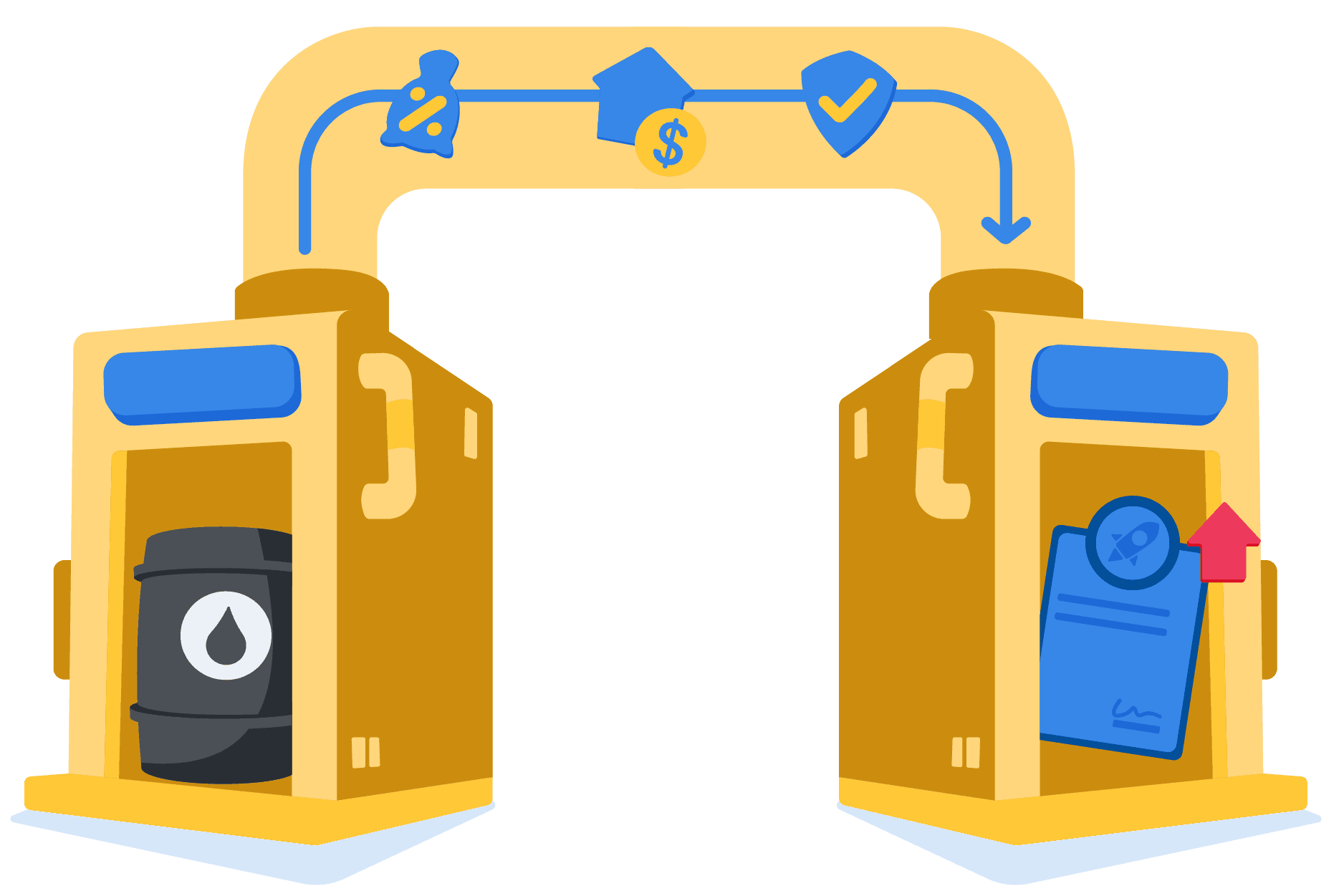
Pricing of Futures

Figuring out futures prices

Price futures with cost‐of‐carry, interest rates & arbitrage.

06-13.png

Introduction 

To make informed decisions, Theodore seeks to understand how futures prices are determined. 

Futures pricing is intrinsically connected to the relationship between spot prices (current market prices) and futures prices (agreed upon today for future delivery). 

The primary principle is that futures prices should represent the anticipated future spot price, adjusted for any costs or benefits associated with holding the underlying asset until expiration.
The Cost-of-Carry Model 

The cost-of-carry model determines the fair value of a futures contract by considering all costs associated with holding the underlying asset until the contract expires

These costs include storage, insurance, and financing (interest on the capital tied up) for commodities. 

For financial futures, the model accounts for interest rate differentials and any dividends or coupon payments from the underlying financial instruments. 

Then it adds these costs to the spot price to calculate the futures price.

Theodore Calculates Futures Prices 

To plan his budget, Theodore must determine the fair futures price for steel. 

With the spot price at $600 per ton, storage and insurance at $10 per ton, and an annual interest rate of 5%, he applies the cost-of-carry model. 

For a six-month futures contract: Futures Price = $600 + $10 + ($600 × 0.05 × 0.5). This equals $600 + $10 + $15 = $625 per ton. 

Confident in his calculations, Theodore enters futures contracts at $625 per ton, securing costs and enabling precise planning for his production schedule.

The Role of Interest Rates 

Interest rates play a significant role in futures pricing, especially for financial futures. 

They represent the opportunity cost of investing capital in the underlying asset. 

A higher interest rate increases the cost of carry, leading to a higher futures price. 

Conversely, lower interest rates reduce carrying costs and the futures price. 

Changes in interest rates can affect the attractiveness of holding the asset versus entering into a futures contract.

06-14.png

Contango and Backwardation Explained 

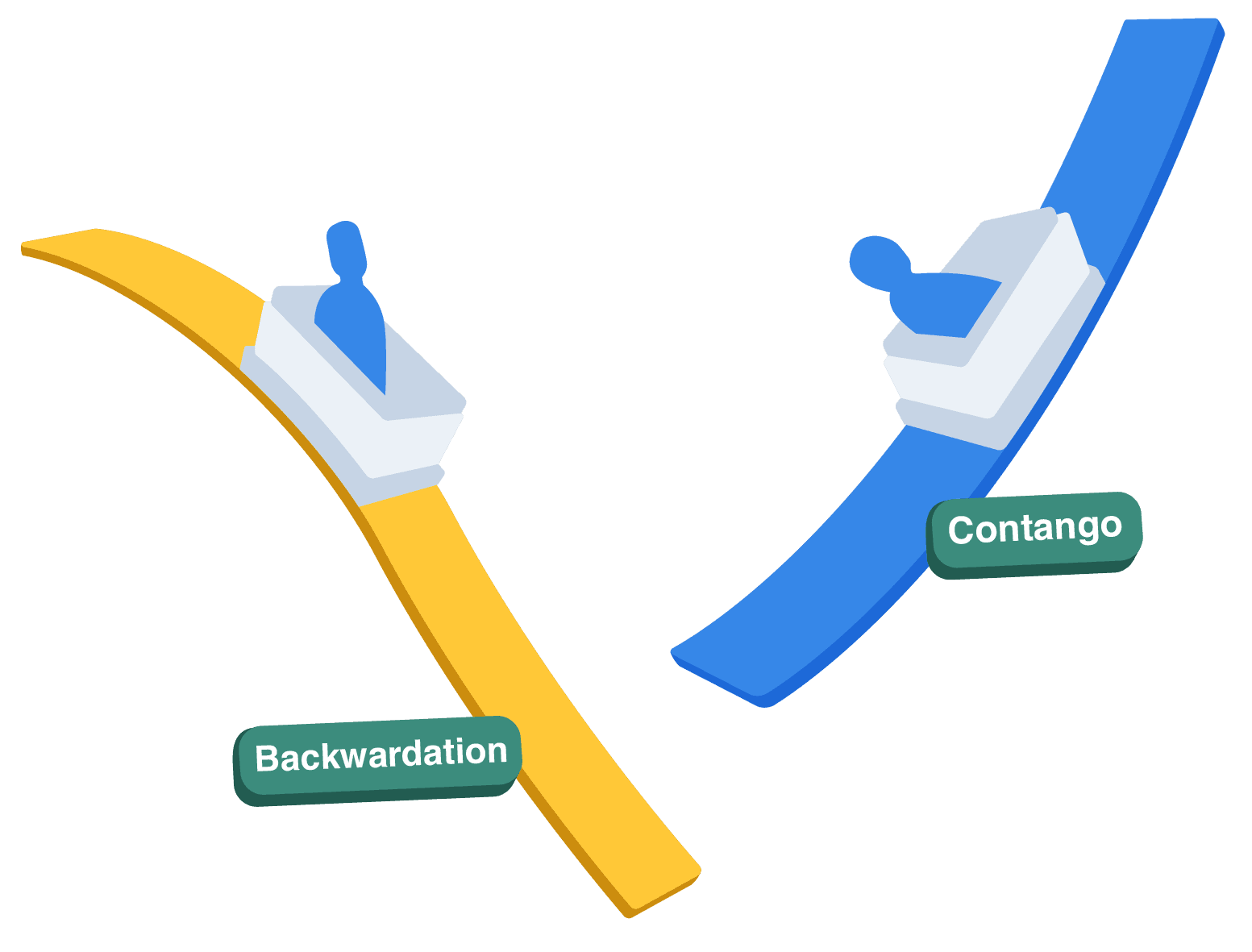
Contango and backwardation describe the shape of the futures price curve relative to the spot price. 

Contango occurs when futures prices are higher than the spot price, often due to positive carrying costs like storage and insurance. 

This situation is common in markets with abundant supply. 

Backwardation exists when futures prices are lower than the spot price, which can happen when there's high demand for immediate delivery or expectations of lower future prices.

Do you want to learn more?
Download InvestMentor to access the full lesson and explore interactive courses that build your financial knowledge and guide you toward smarter investing decisions.