
Media
Final Frontier🎥
10/27/2026
10/28/2026
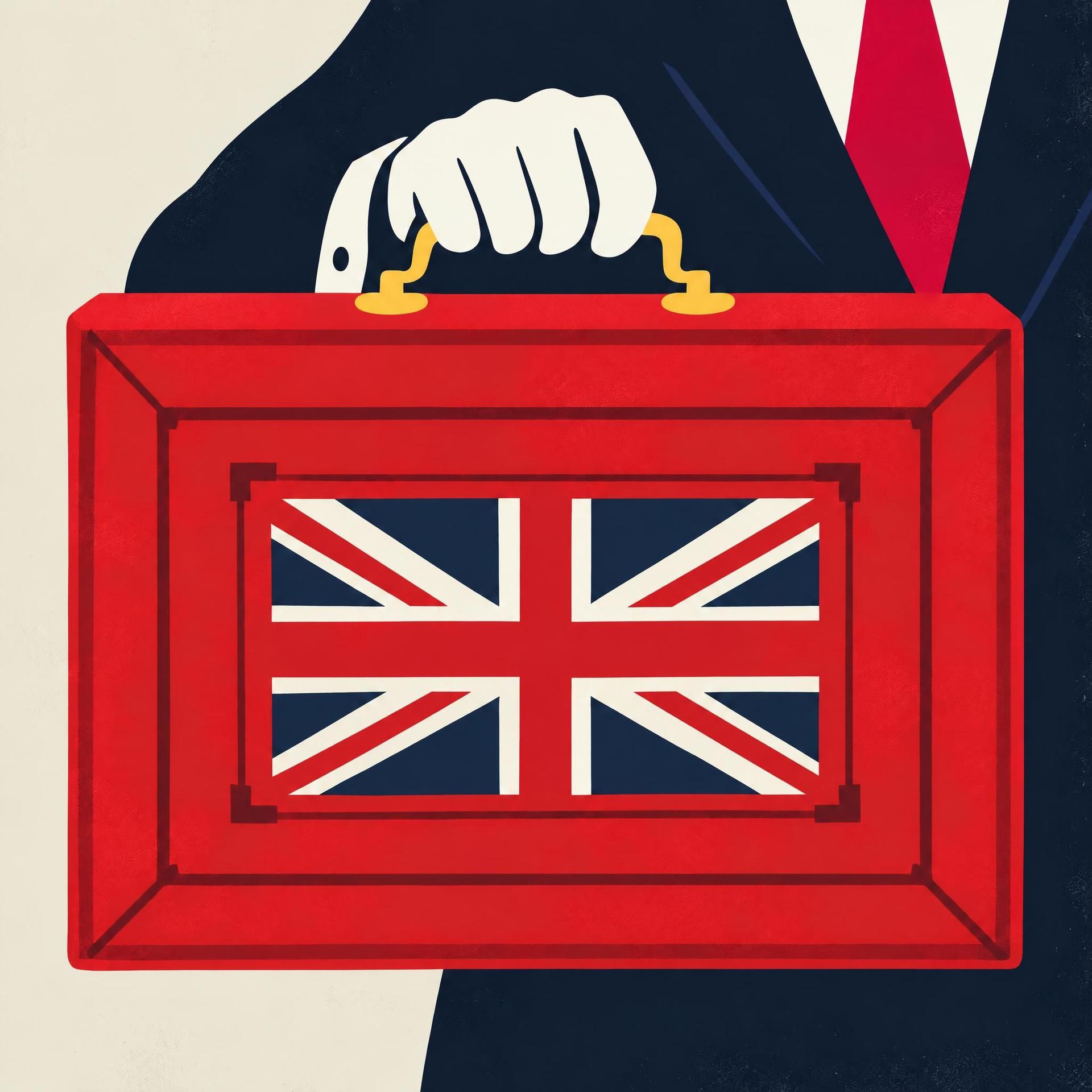
Britain’s new chancellor of the exchequer (a fancy term for a finance minister) John Healey delivered his first budget with a mission to help households through the energy shock without frightening bond investors.
Some of the headline measures:
The gilt market barely flinched over the low-key fiscal plan.
Prime Minister Andy Burnham entered 10 Downing Street in July promising the “biggest changes in the last 40 years”. This budget didn’t include any of them. Some speculated the budget was intentionally tame ahead of an early election. But Burnham has ruled out an election within the next 12 months.
Usually, the UK budget day is a very big deal hyped up weeks in advance. It comes with a fancy red briefcase (“budget box”) and a televised speech at the parliament.
The chancellor is expected to pull at least one “rabbit out of the hat” — a big surprise that makes the crowd go “oooo-ooh”. But a £100 check towards energy costs (dubbed as this year’s rabbit) doesn’t even cover one month for an average household.
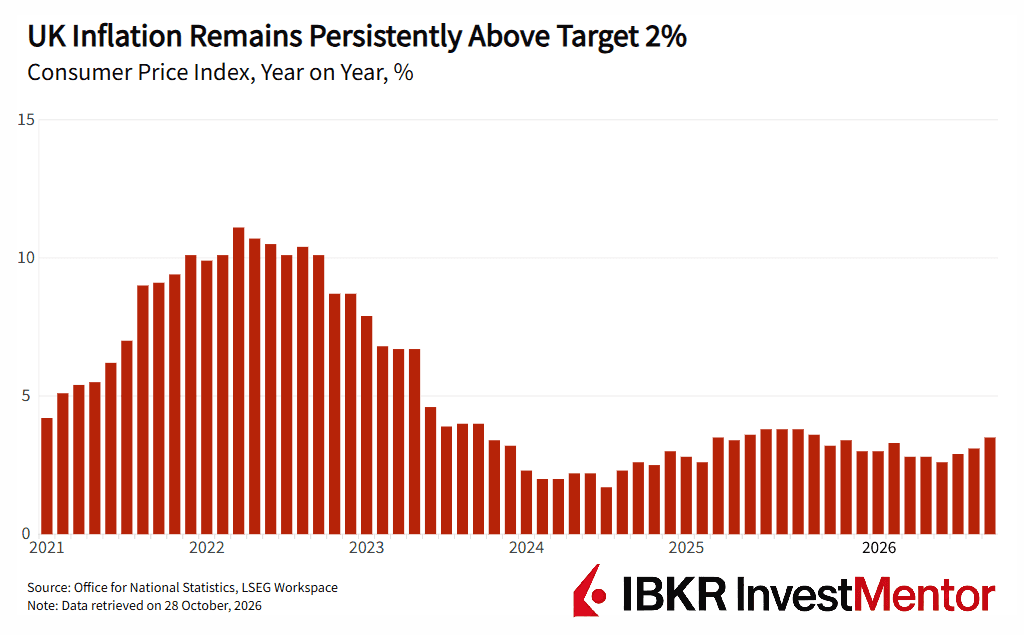
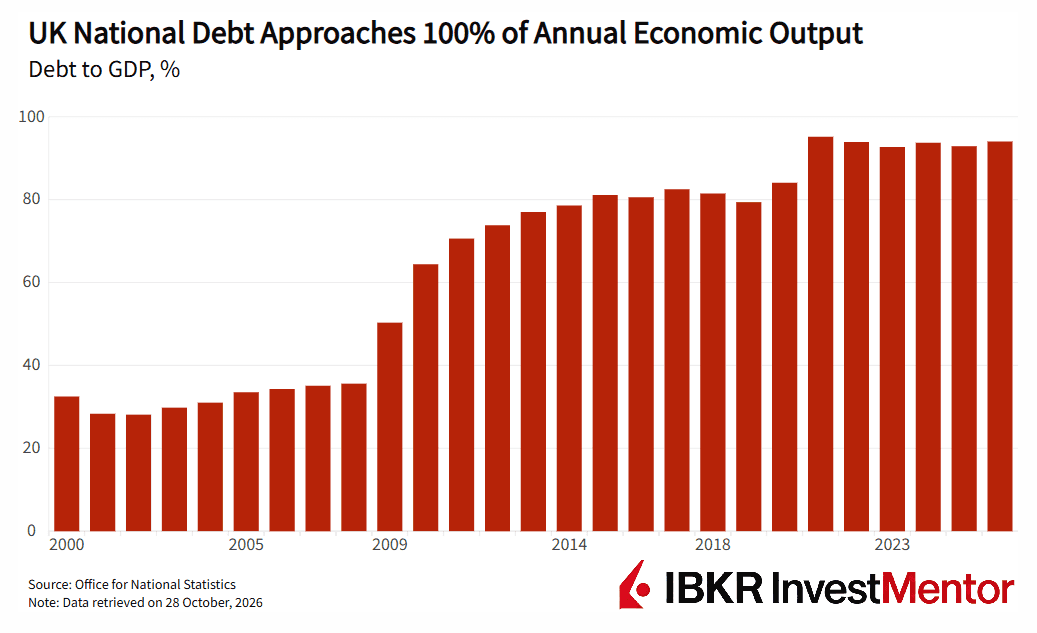
Being boring becomes easier to understand once you look at Britain’s books. The Office for Budget Responsibility expects:
Then there’s Britain’s roughly £3 trillion public debt. Higher borrowing costs are adding about £14 billion a year to the government’s interest bill compared with the spring forecast. That makes ambitious tax cuts or spending splurges expensive. But caution has a cost too as weak growth makes debts harder to manage.
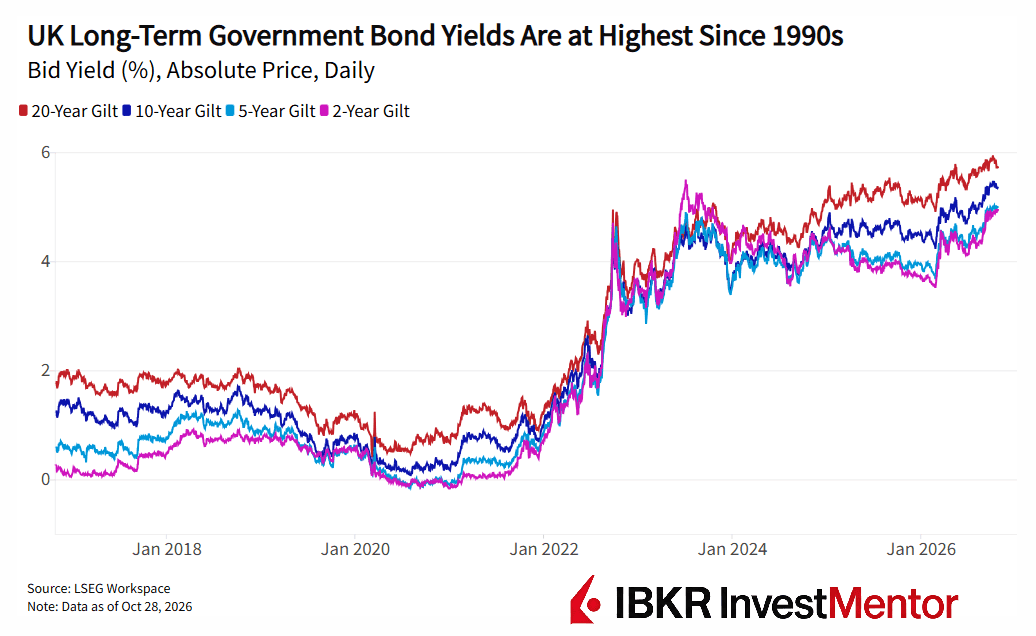
Bond investors shrugged and moved on. Gilts, the nickname for UK government bonds, nudged slightly downwards while sterling was little changed. That’s a victory of sorts: recent history has shown what happens when UK governments surprise the bond market with unfunded plans.
But Britain hasn’t solved its bond problem. Long-term borrowing costs remain the highest in the G7. All recent governments have talked about kickstarting growth but are hampered by tight public finances.
Higher inflation also complicates life for the Bank of England. With the Office for Budget Responsibility now expecting substantially stronger inflation than it did in March, the central bank’s next move looks increasingly like a hike.