Markets
SK Hynix Frenzy
South Korean Chip Giant Brings Memory Supercycle to Wall Street
6/24/2026
6/26/2026
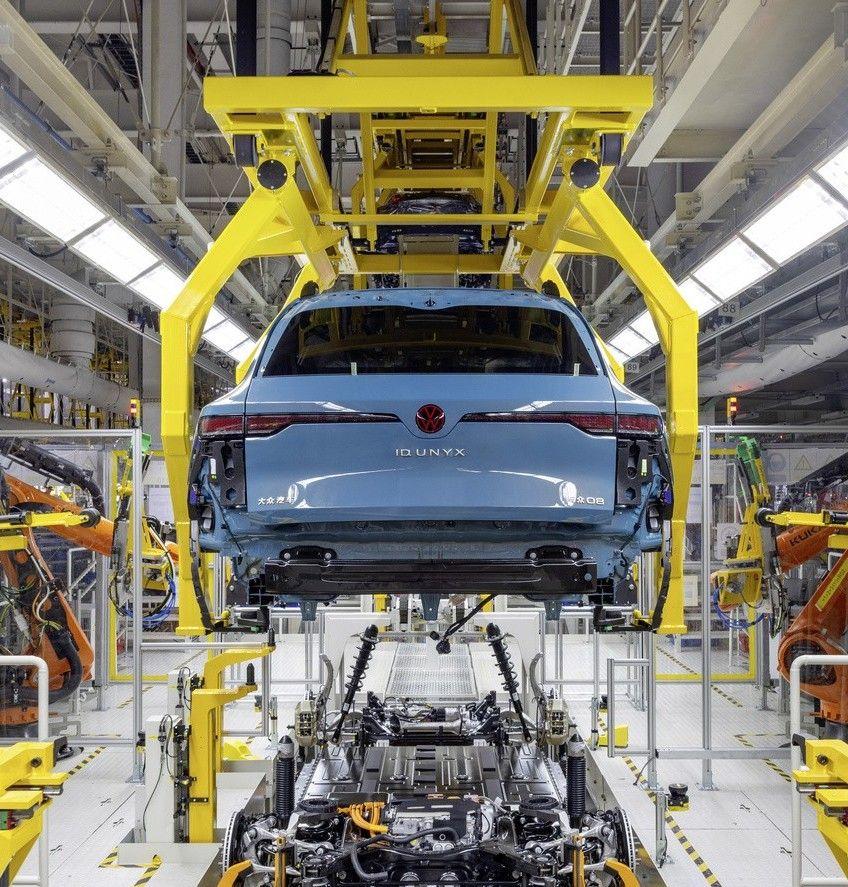
Volkswagen is considering cutting up to 100,000 jobs — roughly one in six roles globally, according to multiple reports. This would be among the largest layoffs in corporate history worldwide, bigger than IBM’s 60,000 and GM’s 74,000 job cuts in the 1990s.
Nothing is final yet. Volkswagen’s supervisory board is expected to discuss the plan at the July 9 meeting. It is guaranteed to face heavy resistance, with the largest German trade union, IG Metall, already announcing it would fight it with “all our might.”
Volkswagen is struggling with leaner Chinese competitors, weak European demand, the US tariffs on cars, and the Iran war.
Some of the cuts would be through factory closures on VW’s home turf, Germany. Sites in Hanover, Zwickau, Emden, and Audi’s Neckarsulm factory are all under threat, covering more than 45,000 jobs.
Shutting major factories in industrial Germany is politically sensitive and hard to execute, so companies usually avoid it. That’s partly structural: large German firms use a two-tier board system, where a supervisory board oversees management. It is split 50–50 between shareholders and worker representatives.
The company had already laid out plans to cut 50,000 jobs by 2030. It reached a landmark deal back in 2024 with the unions to move forward with the cuts, but it looks like this wasn’t enough.
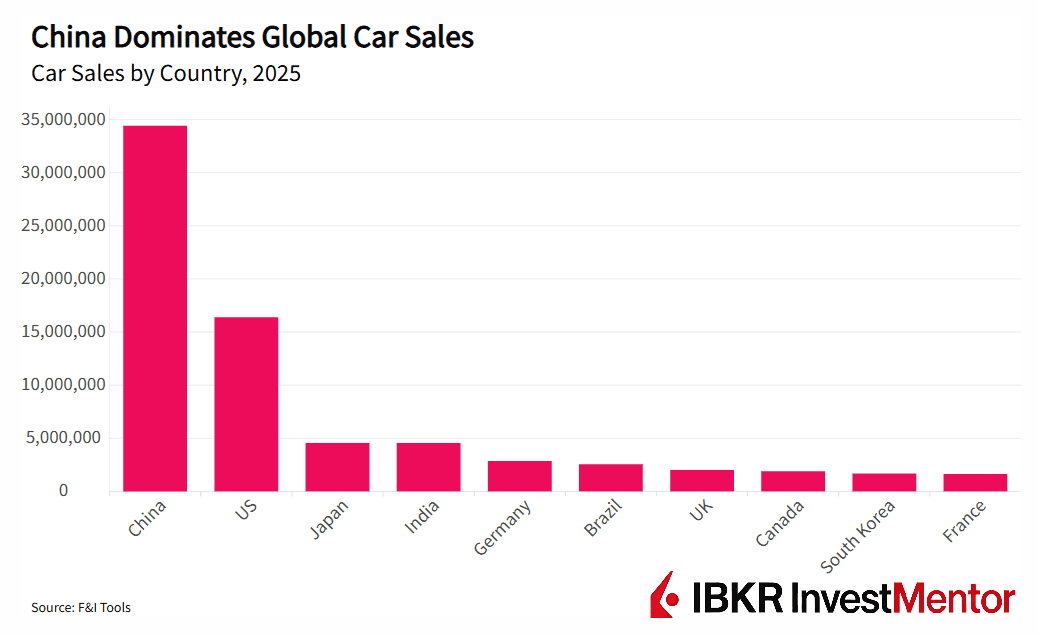
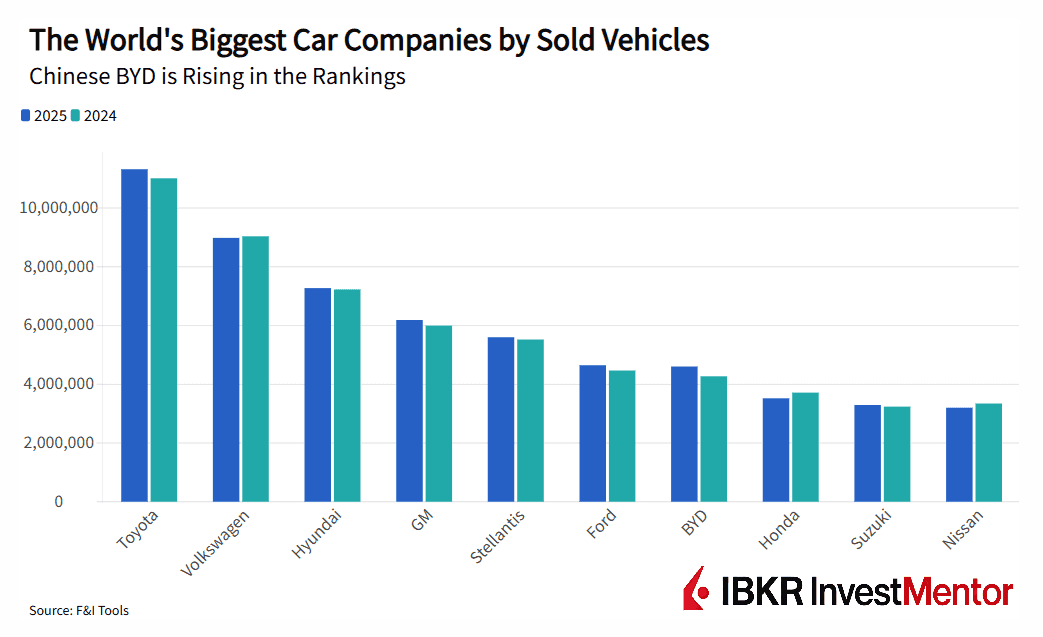
China used to be Volkswagen’s growth engine. VW was the largest automaker in the world’s largest market for years until a local rival BYD surpassed it in 2024. The following year, it fell behind another Chinese rival, Geely. Companies like Chery, SAIC, and Leapmotor are all eating on VW’s market share.
Chinese car companies are shoveling new electric vehicles out at a breath-taking speed home and abroad. They’re increasingly competitive in price and quality.
Volkswagen has previously targeted €6 billion in annual savings by 2030, and has acknowledged that costs are its “greatest need for action.” It recently announced the sale of its marine engines unit to Bain Capital at €7.4 billion.
The leadership is also reportedly considering a more radical restructuring of the company, potentially even spinning off the core VW brand.
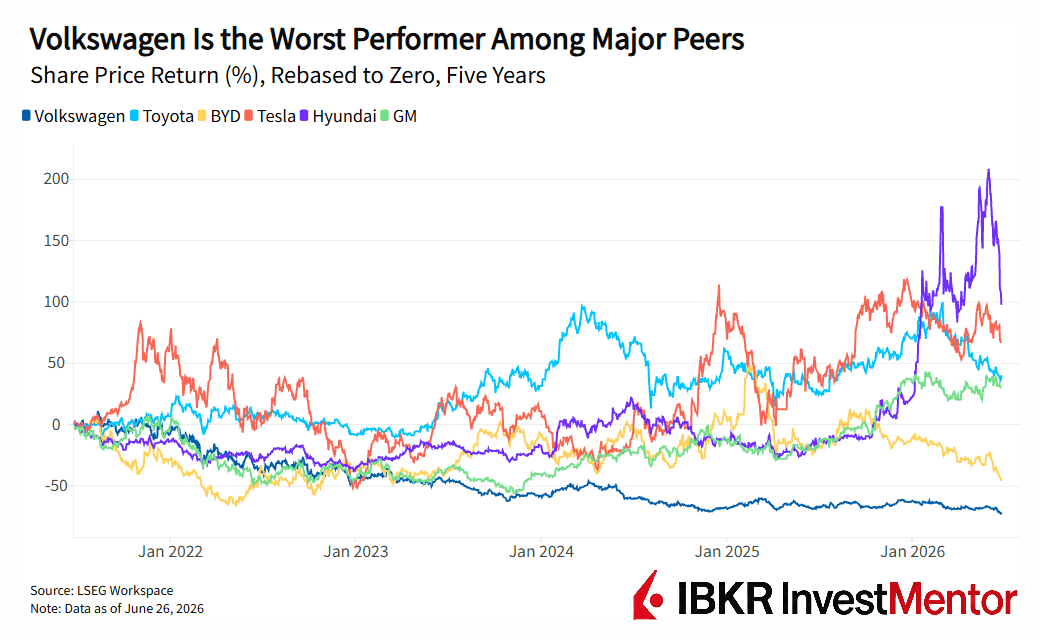
Volkswagen’s shares have performed dreadfully compared to its peers, so it cannot even easily tap the capital markets. Its stock price hit a 16-year-low on Friday.