Politics
Brexit Decade
10 Years Since the Brexit Vote, 6 Prime Ministers Gone
6/23/2026
6/24/2026
South Korean memory chipmaker SK Hynix aims to raise up to $29.4 billion by listing in the US via Nasdaq. If completed at the top end, this would be one of the largest listings ever, second only to SpaceX’s $85.7 billion IPO earlier in June.
Unlike Elon Musk’s rocket company, this isn’t a fresh IPO (initial public offering). It’s a secondary listing, in which a publicly traded company lists its shares in another place. SK Hynix is already trading in Seoul, and briefly overtook Samsung as South Korea’s most valuable company.
The company will issue about 18 million new shares, roughly 2.5% of its stock. This is a quick way to raise cash, taking advantage of the searing-hot AI boom.
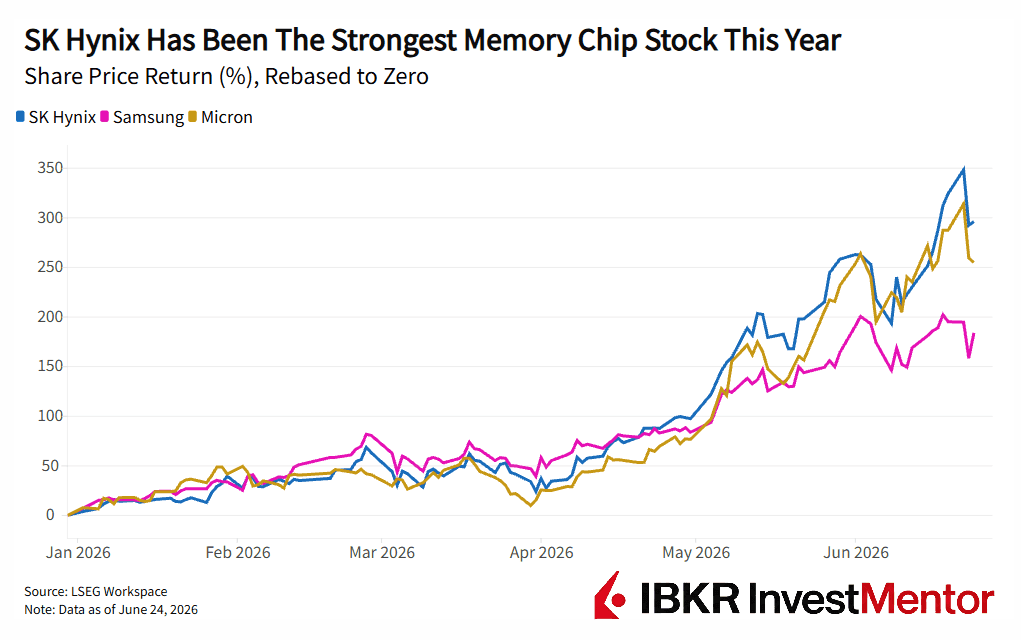
SK Hynix may not be a household name, but it’s right at the center of the AI supply chain and a crucial part of Nvidia’s success as a chipmaker.
This has all been a massive windfall for SK Hynix. Its shares have skyrocketed more than 280% this year, valuing the company above $1.2 trillion. Now it wants to milk that momentum and raise cash in the deeper US capital markets to build more production capacity.
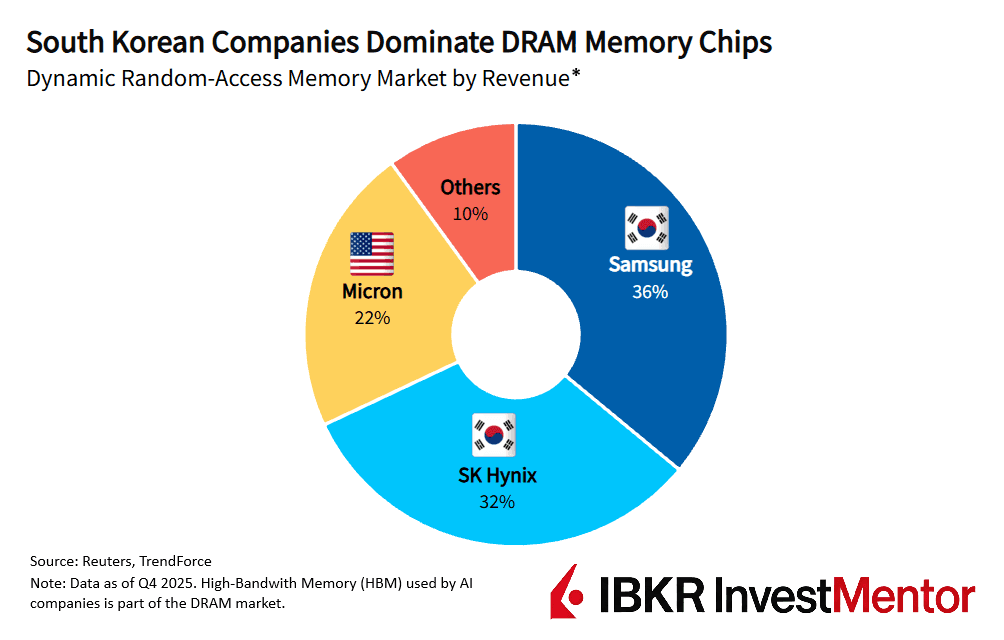
When a foreign company wants to do a secondary listing on an American stock exchange, it often chooses to use American depositary receipts (ADRs). In SK Hynix’s case, 10 ADRs will equal one Korean share.
Technically, you don’t own the shares. You own a beneficial interest. But in practice, you get almost the same deal with dividends, liquidity, and voting rights (ADR holders can instruct their bank to vote on their behalf).
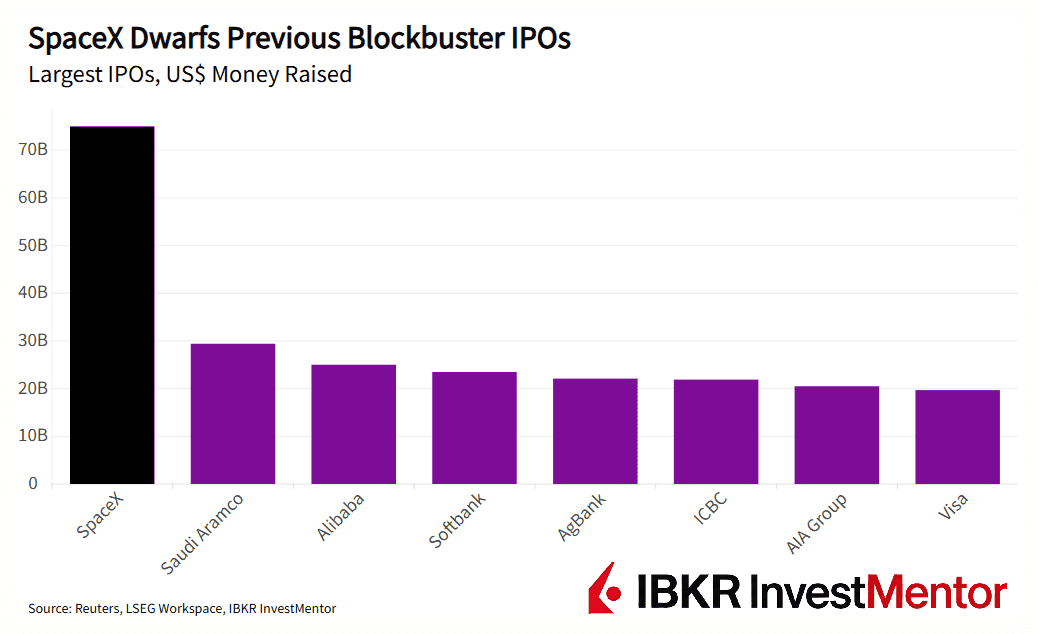
SK Hynix and SpaceX are part of a blockbuster year for equity fundraising. According to Goldman Sachs, 2026 is already tied with 2021 as the record IPO year in dollar terms, and this is before some of the big AI stock debuts. Established public companies are also tapping the markets, issuing new shares.
Companies raise more money when investor appetite is peaking. But this can also lead to stretched valuations and crowded trades. Sometimes the market overheats and bubbles pop.