Media
Ballot Bets 🎥
11/3/2026
11/4/2026
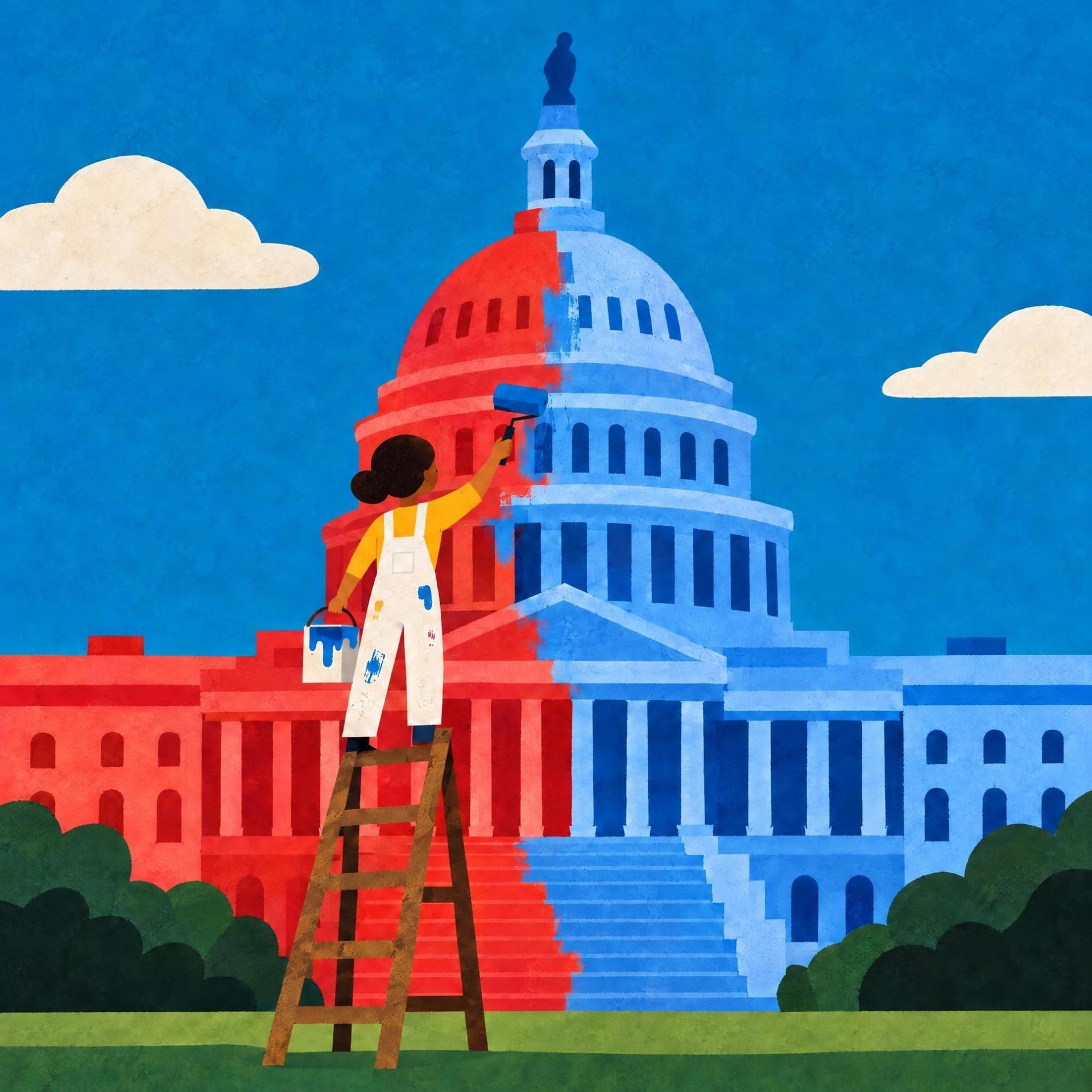
Americans delivered a sharp political rebuke on November 3. Democrats took both the House of Representatives and the Senate, ending Republican control of Congress. As the votes were still counted on Wednesday, they had flipped at least seven Senate seats in Republican territory including Texas, Kansas, Iowa, Ohio, Maine, North Carolina, and South Carolina.
Republican President Donald Trump remains in power. The US is heading for divided government. Democrats remain short of the 60-Senate-seat supermajority, required to push through contested legislation.
Democrats can still block Republican proposals, negotiate over taxes and spending, scrutinize companies through congressional investigations, and shape budgets. But Trump retains his veto and executive authority.
On paper, Democrats ran against an economy with some serious muscle. Unemployment was 4.2% in September, the economy grew at a 3.4% annualized rate last quarter, and business investment jumped 12.7%.
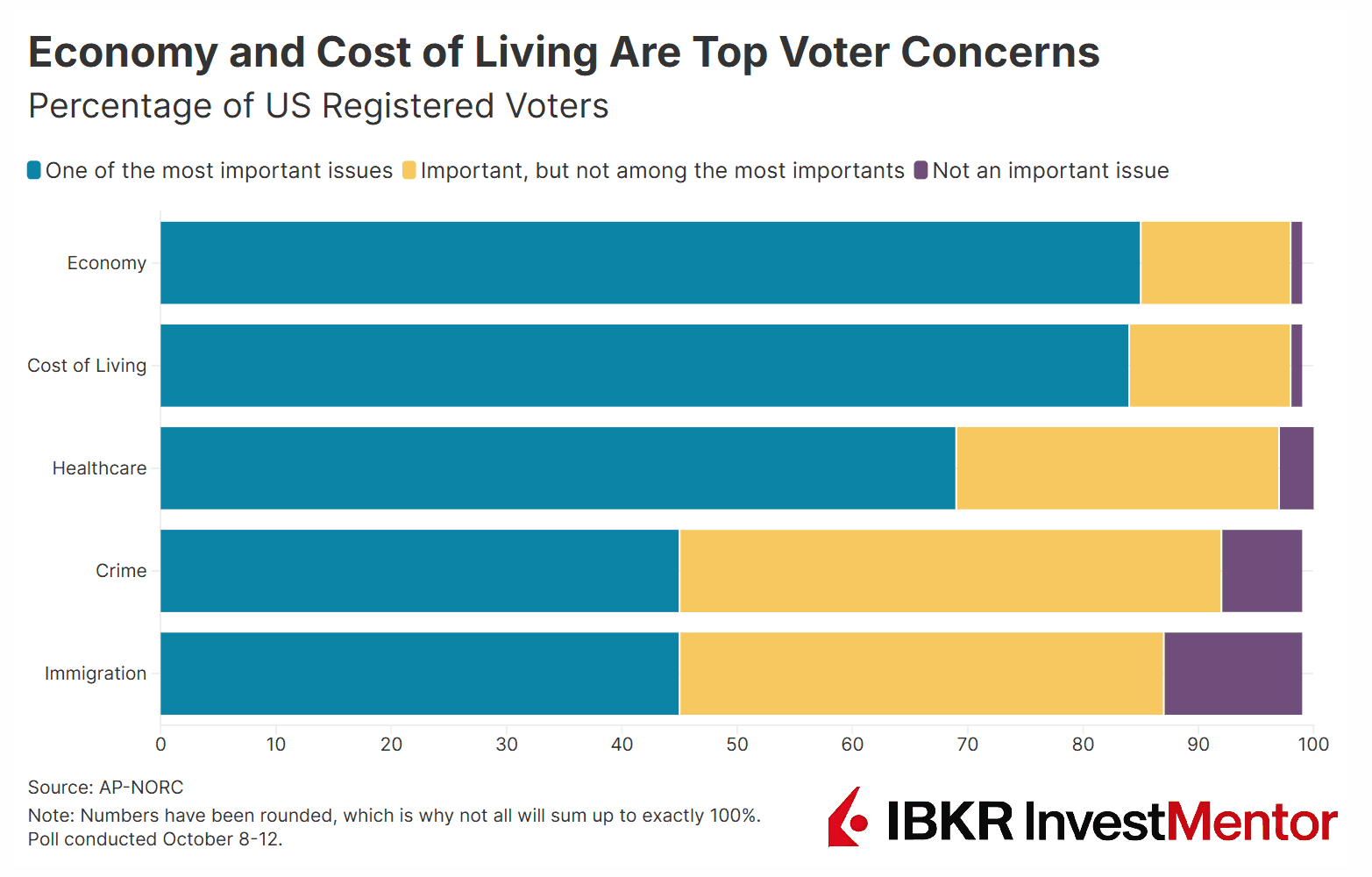
But voters felt something different. Before the election, 85% called the economy a top voting issue and 84% said the same about the cost of living. Inflation remains above the Federal Reserve’s 2% target, while mortgage rates have topped 7%. Gasoline and diesel prices hit all-time records just before the vote.
Strong growth could not cancel out voters’ frustration with what everyday life actually cost.
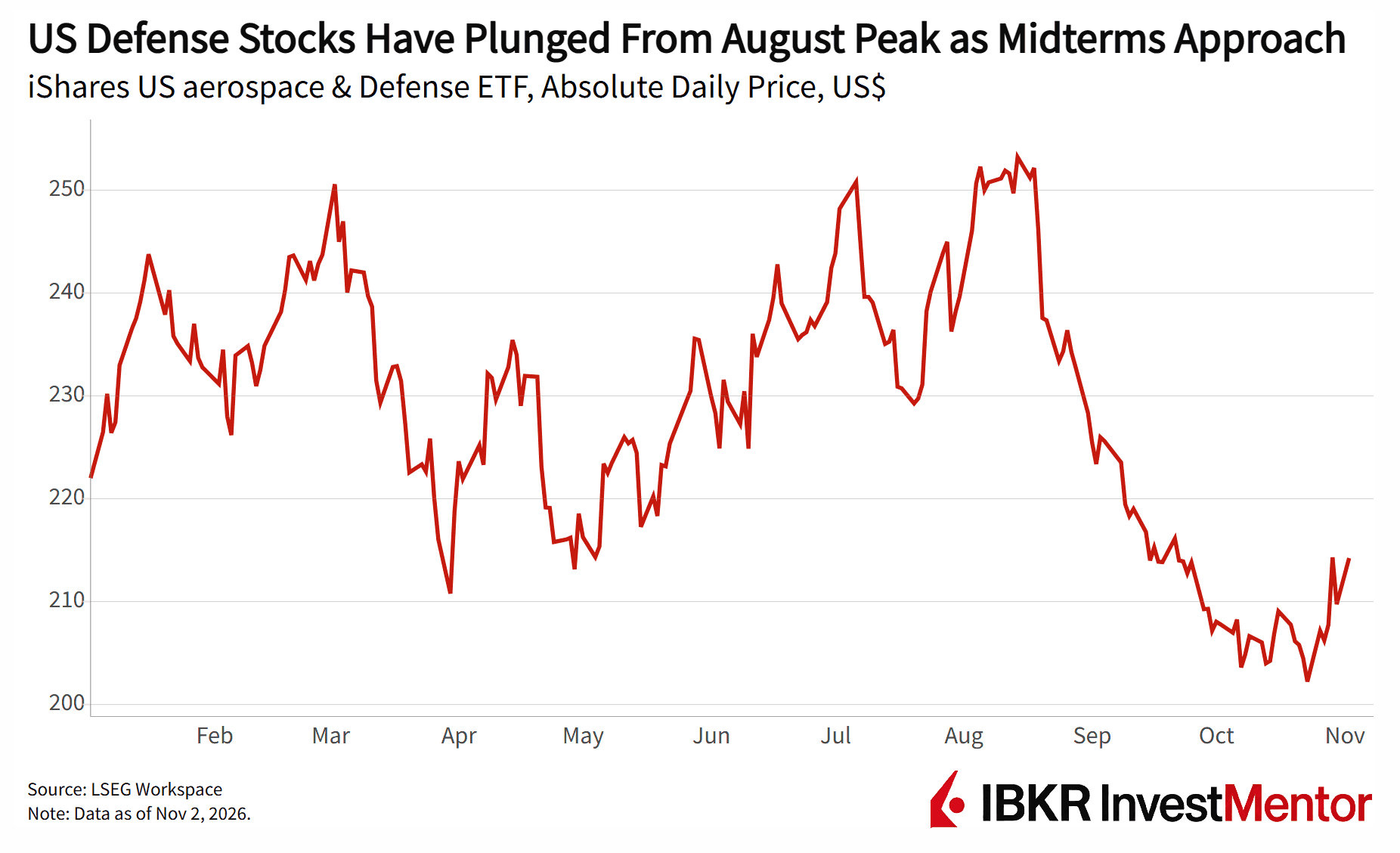
The results were largely priced in, although the scale of the Democrat victory was a surprise. President Trump said he would accept the result, giving the markets some reassurance of stability. US stock futures jumped and treasury yields fell. The dollar moved lower.
Some industries have more at stake:
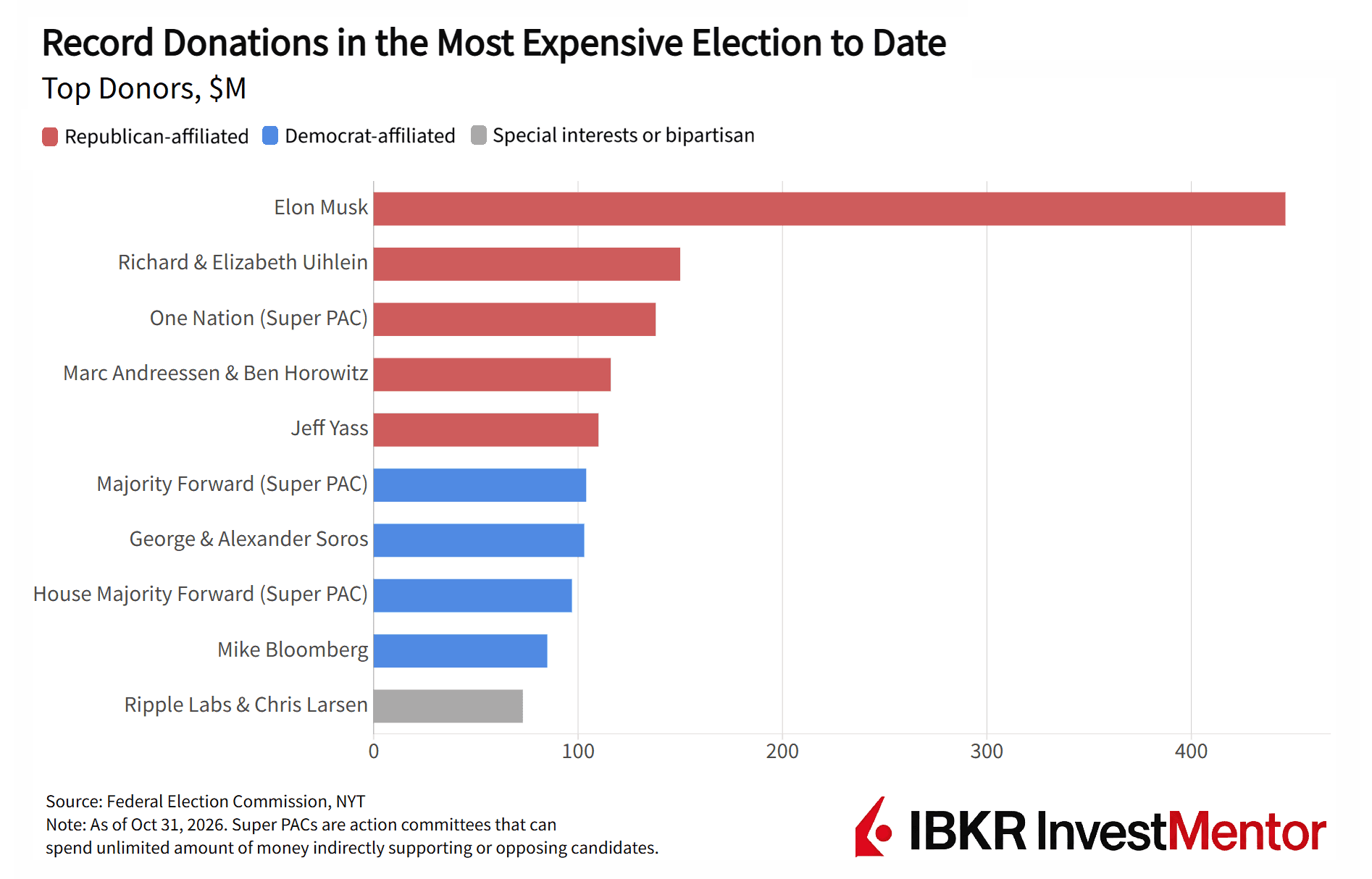
This election was the most expensive one ever conducted in the US. Ad spending hit $11.6 billion, estimates industry tracker AdImpact, surpassing $11.2 billion spent in 2024 presidential election.
And the money is concentrated: The 50 largest donors and donor groups had contributed about $2.8 billion by late October, roughly 60% from Republican-aligned sources. SpaceX and Teslo chief Elon Musk alone contributed nearly half a billion dollars to Republican-aligned groups. Several crypto and AI billionaires were active donors.
But money met its limit on election night. Democrats flipped data-center packed Texas, with James Talarico defeating Musk-backed Ken Paxton. That Senate race alone attracted an estimated $573 million in political advertising.