Economy
Growth vs. Prices
US Data Leaves Fed Stuck Between Softer Jobs and Sticky Prices
7/3/20267/8/2026
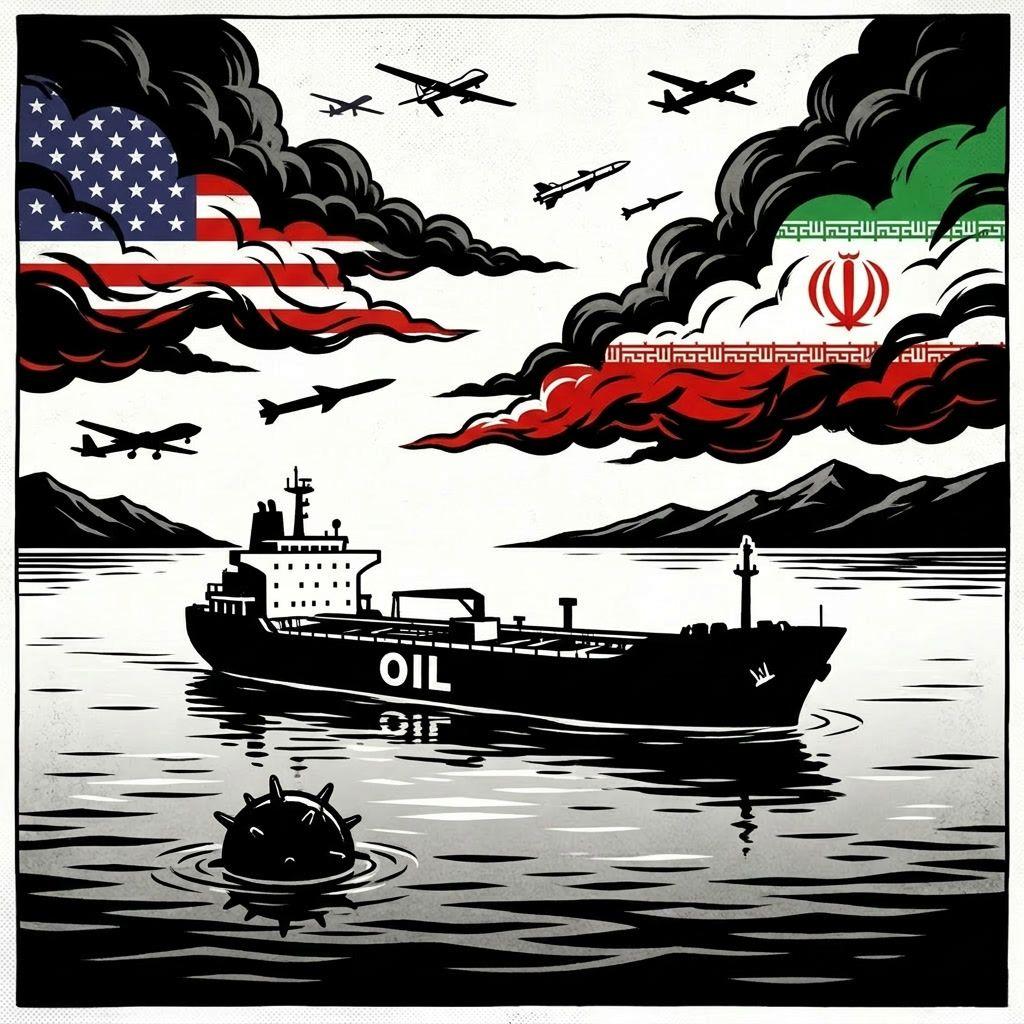
Just weeks after a ceasefire paused the fighting, the Iran war is flaring up again. US President Donald Trump declared the interim agreement "over" after Tehran launched attacks on American military sites. Before that, the US had unleashed attacks on Iran, retaliating against oil tanker attacks.
Investors had hoped the war was winding down, but now a prolonged and volatile conflict looks more likely. The crucial energy corridor Strait of Hormuz may close again before the traffic even has a chance to return to normal.
Washington has revoked a temporary license that allowed Iranian oil sales, adding more pressure on the oil supply.
The Strait of Hormuz is one of the most important waterways on Earth. Roughly a fifth of global oil and liquefied natural gas passes through this narrow passage between Iran and Oman.
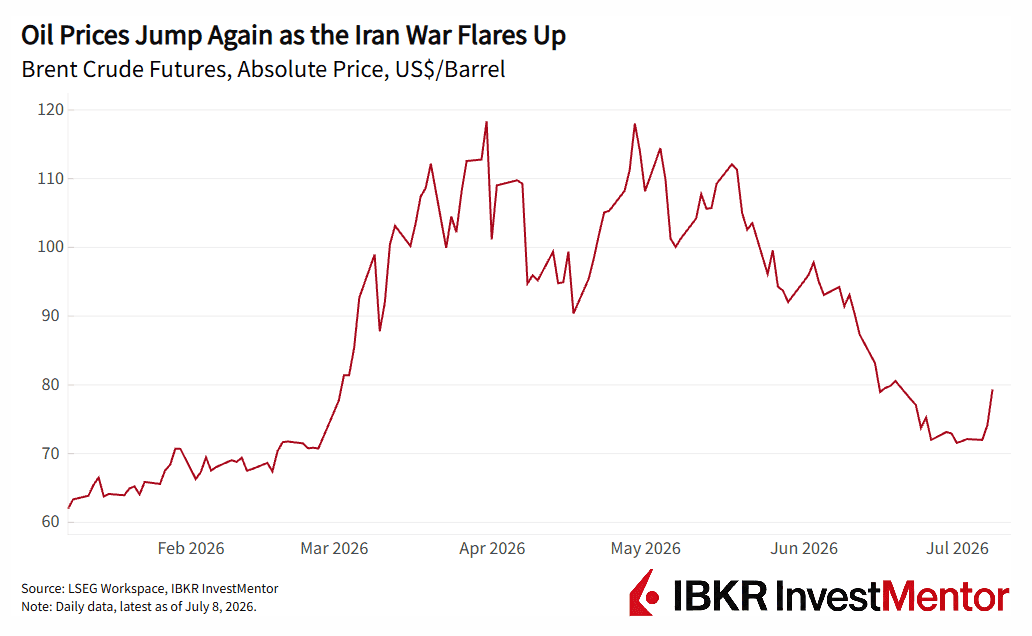
Brent crude oil shot up more than 5% to around $80/barrel on the news of the collapsed truce. After the ceasefire agreement, oil had briefly returned to pre-war levels of around $72.
Before the war, around 140 ships passed through daily. Then Iran shut down the strait, with only an occasional vessel daring the route. After the ceasefire, numbers rose to 30-60 vessels a day, despite mine-cleaning still underway.
While oil prices rose on the news, the spike was relatively modest in the grand scheme of this crisis. Oil remains well below the wartime peak of above $120 per barrel, and the wider market barely budged.
Stock markets in places like New York, Tokyo, Seoul, and London have all been hitting record highs during this conflict. US stock index S&P 500 closed down merely 0.3% on Tuesday.
Why the calm? Investors have seen repeated escalations, threats, and temporary ceasefires since the war started on February 28. The International Energy Agency has called this worse than the 1970s oil shocks combined, but countries are so far navigating through higher gasoline and jet fuel prices without panic.
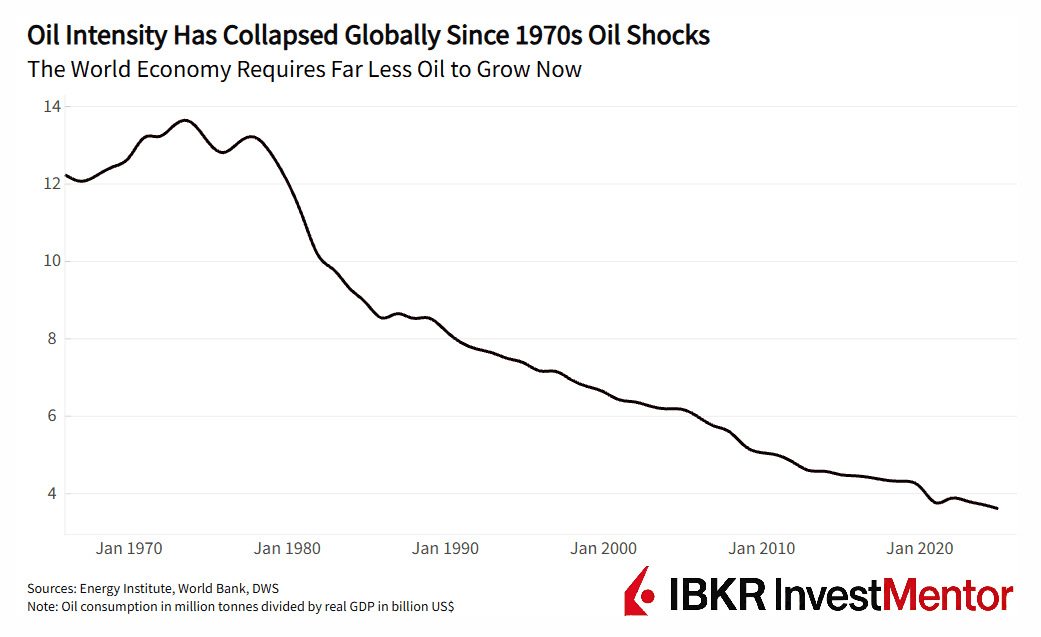
Several factors are helping countries absorb the shock:
China, in particular, was well prepared. It built vast oil reserves pre-crisis, and it can rely on both a network of renewables and bringing old coal plants online. It is also the world’s biggest market for electric cars, with the majority of new cars sold now EVs.
Want to explore more? Download our free app to unlock expert news updates and interactive lessons about the financial world.