
Economy
Factory Strength
Assembly Lines Power Through War, Rising Costs, and Tariffs
7/1/20267/3/2026
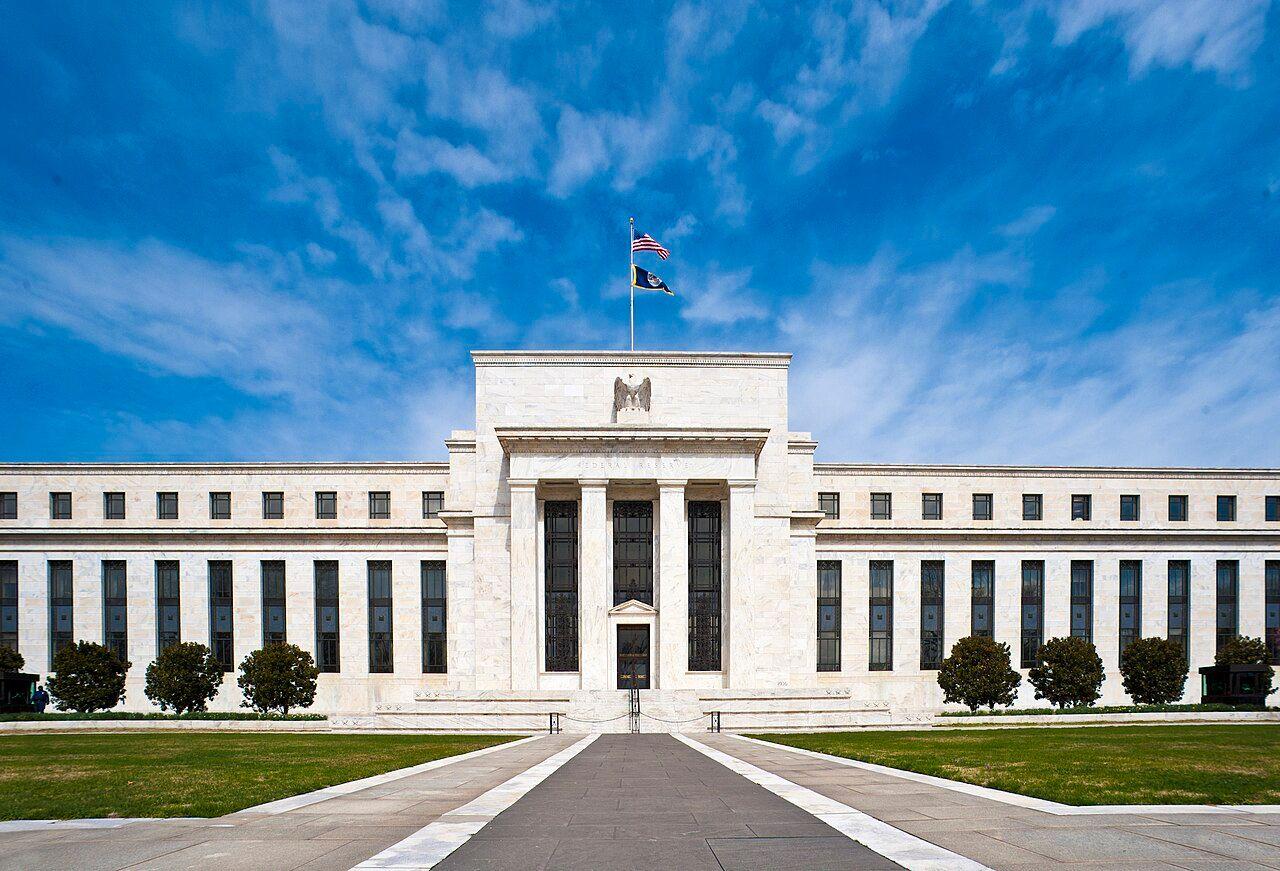
This week’s US data showed an economy losing momentum, but not enough to give the Federal Reserve, the US central bank, a clear reason to loosen its policy. Hiring slowed sharply in June, consumers grew more cautious about the labor market, and factories kept reporting elevated costs.
The backdrop is still inflation. Higher fuel costs, supply disruptions, tariffs, and Iran-related energy volatility continue to work through parts of the economy.
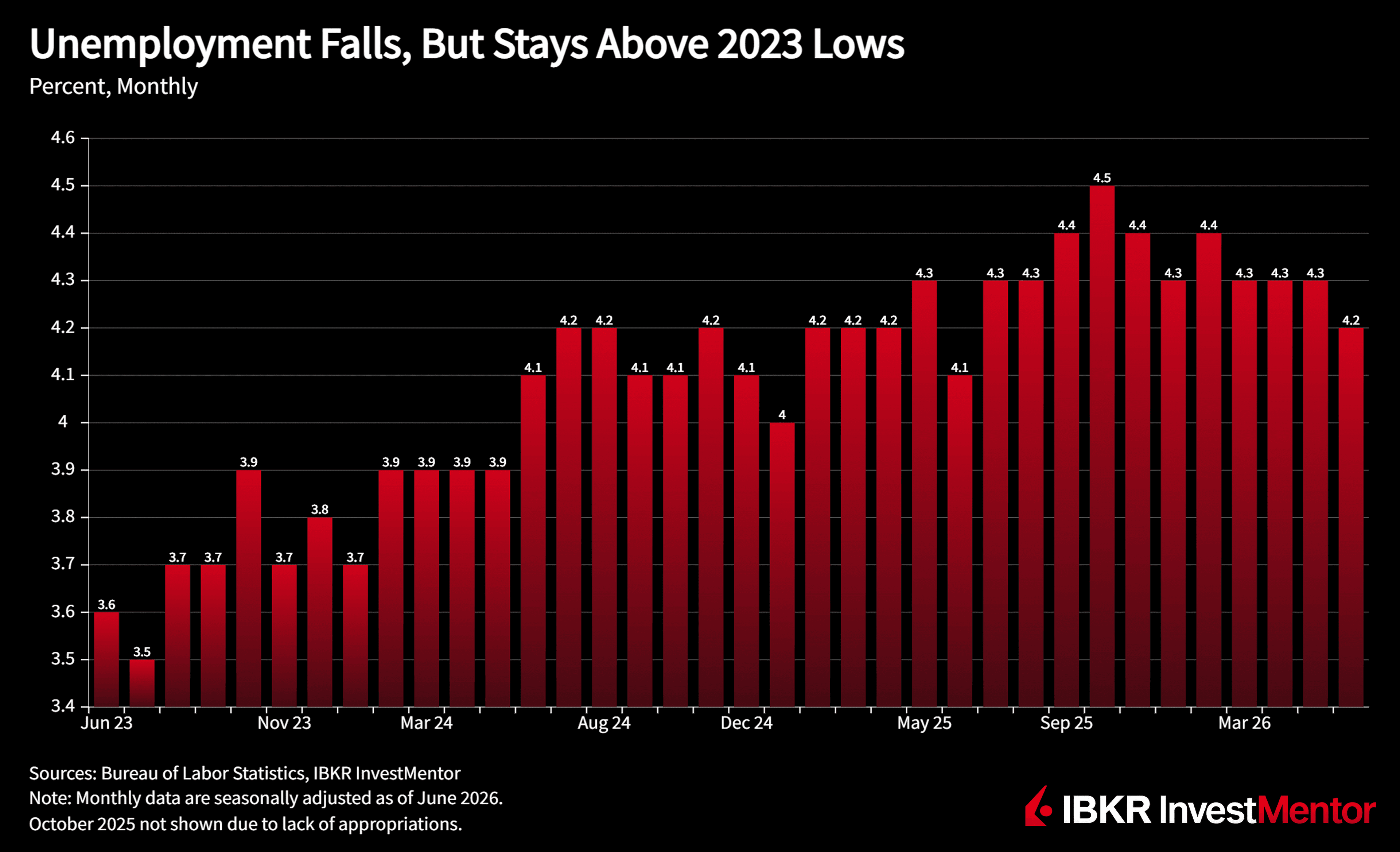
Payroll growth slowed to 57,000 in June, and earlier months were revised lower. The unemployment rate fell to 4.2%, but the drop came with fewer people participating in the labor force, making the headline look stronger than the details.
Job openings (JOLTS) remain high at 7.6 million, but employers are keeping positions open without hiring aggressively, while workers appear less willing to quit. That points to a less fluid labor market, where both sides are cautious, and the Fed gets no clean signal in either direction.
The Consumer Confidence Index tracks how households view jobs, income, business conditions, and the economic outlook. The index rose to 91.2 in June from 90.6, but it remains below its benchmark of 100, meaning confidence is still subdued.
Lower gas prices helped, but they did not erase the broader squeeze. Earlier fuel spikes, tariffs, and supply delays can remain baked into shelf prices, leaving households with lower pump costs but little sense that the broader squeeze has passed.
The ISM Manufacturing PMI came in at 53.3%, and any reading above 50% generally points to expansion. New orders were still solid at 56.0%, while production held in growth territory at 52.2%. Factories are still busy, even if the pace has cooled.
ISM’s prices index fell to 73.0% from 82.1%, remaining well above the 50% threshold as tariffs, fuel costs, supply-chain delays, and Iran-related uncertainty continue to lift manufacturers’ expenses. If those costs linger, consumers may eventually feel them too.
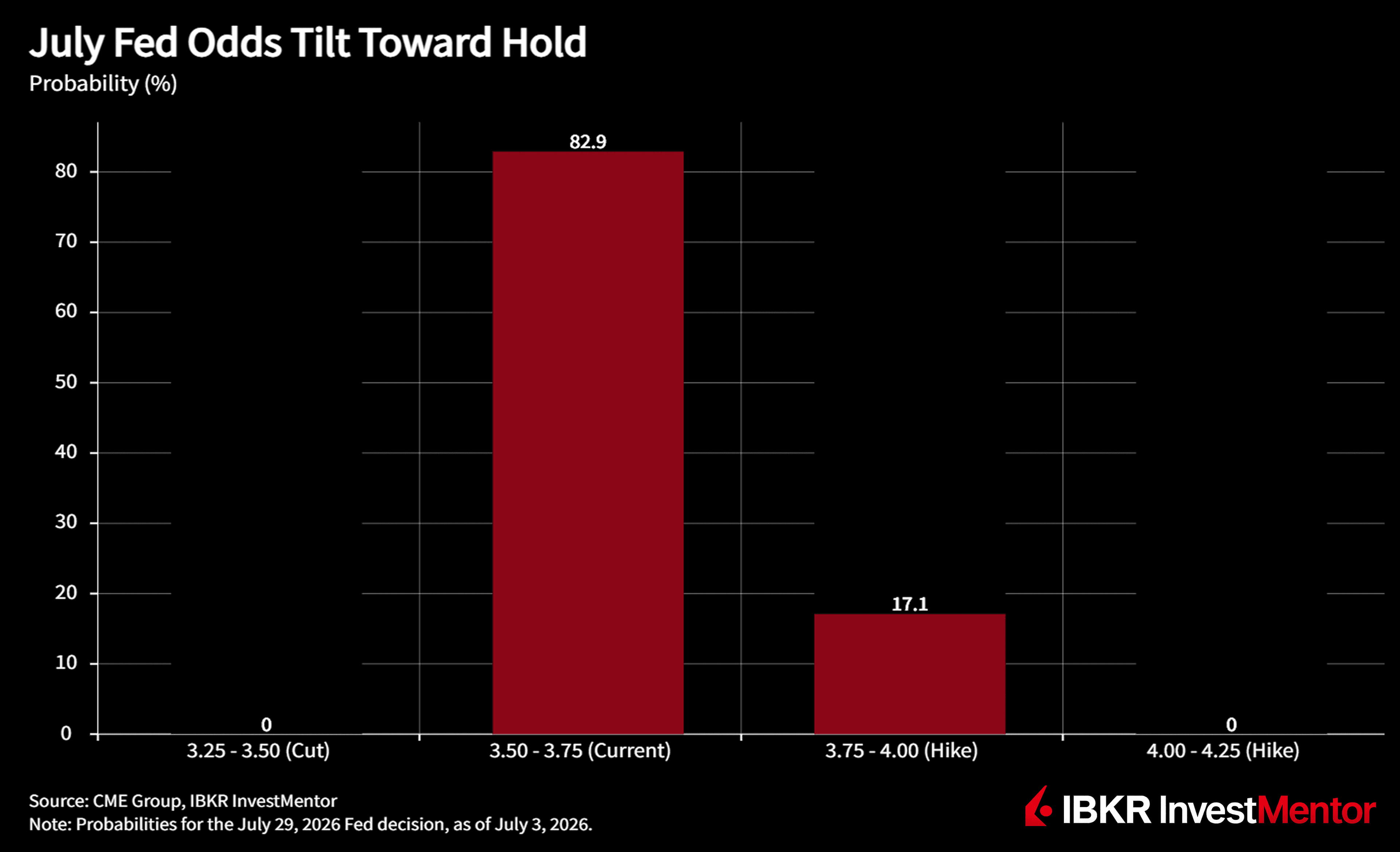
This week’s data lowered the odds of a July hike, but it did not revive the case for cuts this year. The CME FedWatch Tool now puts the probability of a July rate hike at 17.1%, down from 28.9% on Wednesday. Traders are dialing back the risk of an immediate move, but they're not declaring the inflation fight over.
For Kevin Warsh’s Fed, the data argues for restraint rather than relief. Softer labor figures make a July hike harder to defend, but persistent price pressure keeps cuts out of reach.
Want to explore more? Download our free app to unlock expert news updates and interactive lessons about the financial world.