
Tech
Memory Crunch
Sony and Nintendo Earnings Reveal AI’s Hidden Hardware Tax
5/8/20265/11/2026
It’s the Eurovision week! The 70th song contest takes place in Vienna, Austria. Expect pop opera, political protests, dramatic outfit changes, pyrotechnics, and bloc voting.
This quintessentially European spectacle drew about 250 million viewers last year across TV and YouTube. Tens of thousands of tourists descend on the host city to party and spend. Sponsors get their branding in front of massive audiences, while artists chase social media buzz and Spotify streams. And then there’s betting.
Together, it all adds up to a distinct Eurovision economy.
A quick recap for those outside of Europe: Eurovision Song Contest is a continent-wide (+ a couple extra countries) music contest where each nation enters a song and performs it live in front of a global audience. Viewers and juries vote for their favorites, and the winning country hosts the show the next year.
Eurovision is an annual mega-event, so the host has only 12 months to stage the show. The funding is scraped together from the broadcasters, host city, ticket sales, sponsors, and government funding. Costs often reach dozens of millions of euros.
But despite this, modern ESCs have often been profitable for the hosts.
Research institute EcoAustria expects Vienna and Austria to gain a €50 million value-added economic boost from the contest.
Liverpool, which hosted Eurovision in 2023, estimates a total positive economic impact of £66 million, which includes tens of thousands of repeat visitors in the year after. Visitor spending, during the event and later, is where hosts claw costs back.
It also helps that almost all host cities use existing infrastructure. No new extravagant Olympic stadiums needed.
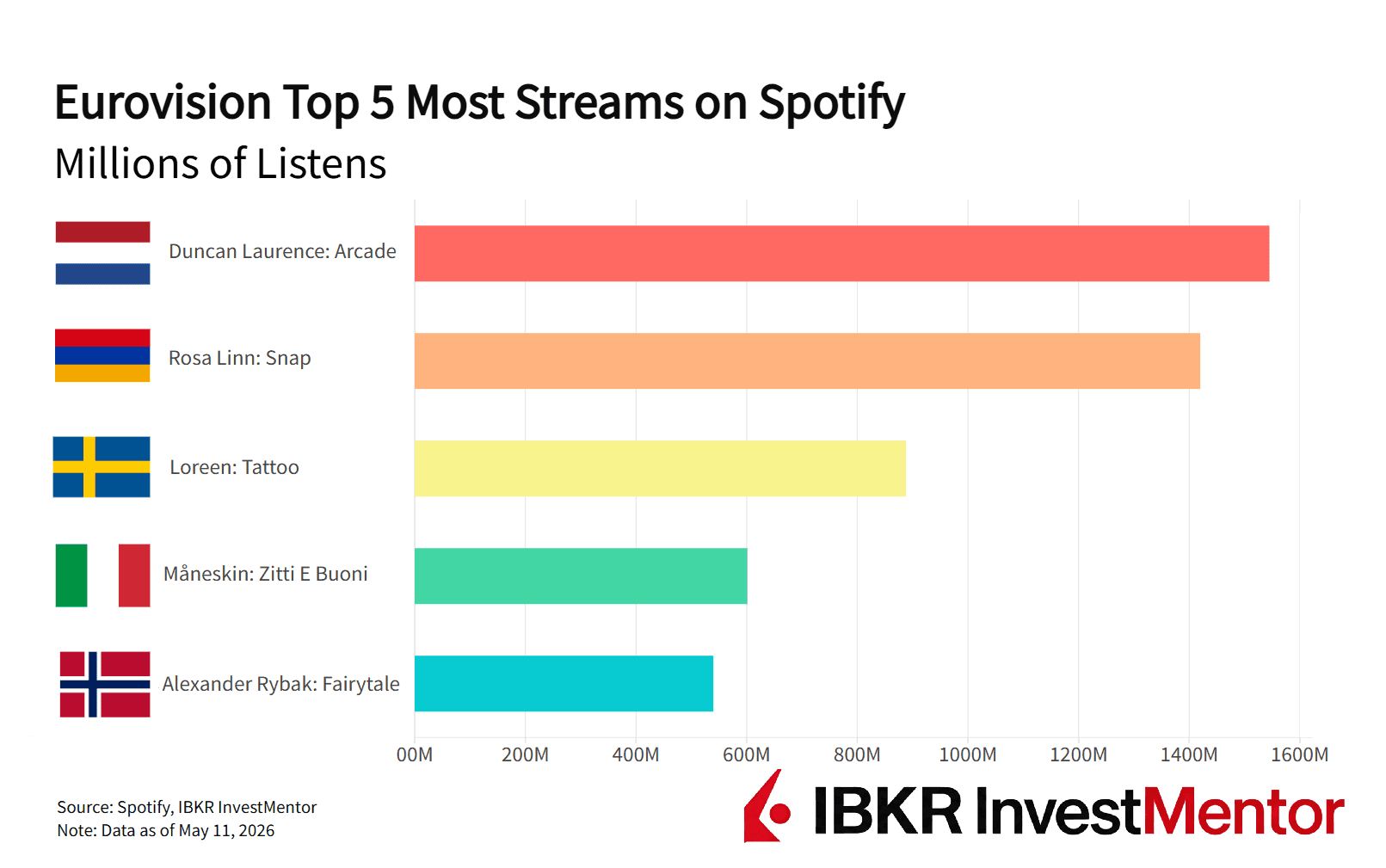
Eurovision’s longest tail is music. Songs can keep raking in royalties long after the contest. Royalties are small payments triggered each time a track is streamed, played, or licensed. They flow mainly to rights holders (labels, publishers, songwriters), and sometimes to performers, depending on contracts.
Eurovision is a talent marketplace. The contest pushes dozens of tracks into global discovery at once, fueling both domestic and international consumption.
Even countries that don’t win can end up with the commercial prize. Armenia’s Snap placed 20th in 2022 and yet went on to have more than 1.4 billion listens on Spotify after going viral on TikTok.
Eurovision has developed a serious betting market, challenging major sporting events. In Eurovision 2025, total wagers in the UK betting market alone were estimated at over £200 million, making it the bookmakers’ largest non-sport event of the year.
The market is often accurate. Since 2015, the favorite by March has gone on to win 6 out of 9 contests, showing how quickly odds reflect fan buzz.
This is now expanding beyond Europe. Eurovision contracts are appearing on US prediction markets, where users trade contracts based on the outcome of future events.
Want to explore more? Download our free app to unlock expert news updates and interactive lessons about the financial world.