Economy
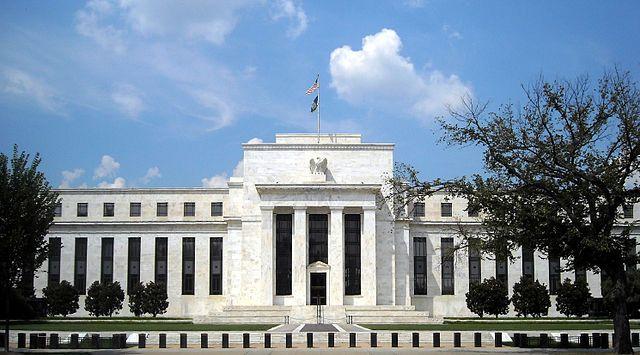
Fed Challenged
Why Central Bank Independence Matters
1/27/20261/28/2026

US health care stocks took a hit this week, after the White House proposed nearly flat rates for Medicare Advantage insurers in 2027.
Shares of UnitedHealth Group, Humana, and CVS Health tumbled between 13-22% after the announcement.
Medicare Advantage is an “all‑in‑one” private version of America’s public health insurance for seniors. The government rate determines how much private insurers can charge for their products, directly impacting the bottom line.
The recent slide is not just a single-story move. The sector is facing pressure from multiple directions: policy risk, pricing, and shifting market leadership. For much of the last market cycle, health care was treated as a defensive growth play: steady demand, decent earnings visibility, and less sensitivity to the ups and downs of the economy.
Now that investors are leaning back into cyclical stocks and tech, the money is rotating out of defensives to fund gains elsewhere.
That means:
Health care always trades with a policy overhang, and that risk is back in focus:
Even modest headlines about cost controls or reforms can squeeze the earnings, especially for pharma, biotech, and managed care. Investors worry about long-term pricing power.
Beneath the much wider (and thus more resilient) S&P 500 Health Care index, some health care companies are dealing with real margin issues:
Earnings are not collapsing across the board, but in some pockets, profit margins are getting squashed, and guidance cuts make the sector feel less “safe” than it used to.
The irony is that the secular story for health care has not changed:
But markets trade on margins and momentum, not just long-term narratives. Right now, the sector is caught in an uncomfortable place:
Key things to monitor when investing in US health care stocks:
The demand story is still there; the market is just reassessing how much it is willing to pay for it right now.
Want to explore more? Download our free app to unlock expert news updates and interactive lessons about the financial world.