
Economy
War & Rates
Central Banks Brace for War Inflation
3/19/20263/23/2026
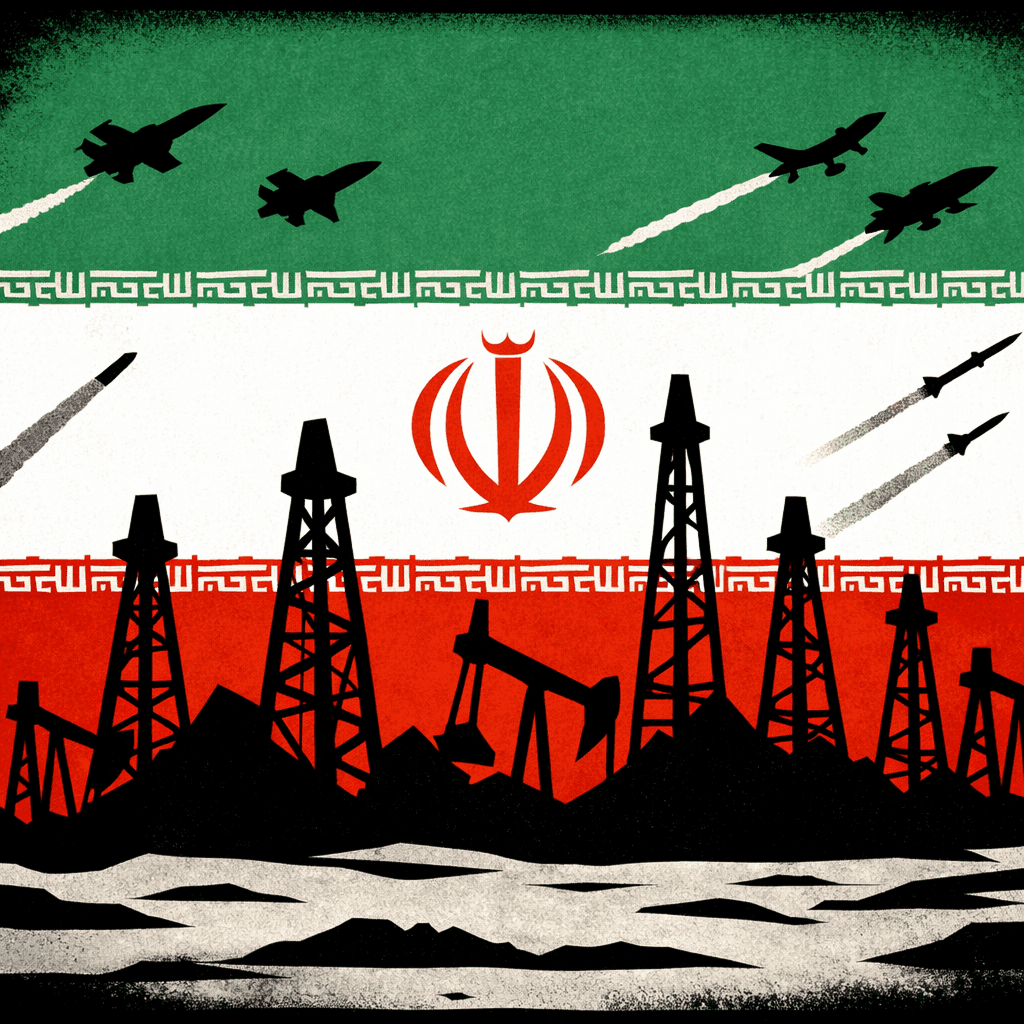
US President Donald Trump has extended the deadline for striking Iran's energy plants to April 7. He's pushing Iran to open the Strait of Hormuz, a crucial shipping route, posting on social media that the talks “are going very well.”
Adding to the confusion, Iran denies that any talks have taken place. The White House has not specified whom it is negotiating with. Pakistan has offered to host official peace talks, if the parties are willing.
Crude oil prices are on track for the first weekly decline since the war began, though the swings have been wild, and prices rose again on Friday. Investors are anxious but clinging to hopes of a short war. Brent crude was hovering around $110 per barrel on March 27. Before the war started four weeks ago, crude was trading at around $73 per barrel.
This war is the first one to make the key shipping route, the Strait of Hormuz, almost impassable. Most vessels are unwilling even to attempt the perilous journey, as Iran targets them with missiles, drones, sea mines, and armed speedboats.
The International Energy Agency says this shock is worse than the oil crises of the 1970s combined.
That’s a big claim, as in the 1970s:
Economies are less oil‑dependent today, and even the oil markets are more diversified. Fracking has lifted the US to the top spot as the world's biggest oil producer. But the risk remains. Modern economies are interconnected, and supply chains are fragile to disruptions.
The oil market volatility is at its highest level in nearly four years, since Russia's invasion of Ukraine caused similar panic in the energy markets.
Tankers are still largely stuck on the other wrong side of the strait. Investors are reacting to headlines: threats, delays, negotiations, reversals. Each new development forces traders to re‑price risk in real time.
They’re trying to gauge the probability when power plants, ports, pipelines, and refineries will be fully operational again. And most importantly: when can ships safely pass through the Strait of Hormuz?
Want to explore more? Download our free app to unlock expert news updates and interactive lessons about the financial world.