
Economy
Fed Tea Leaves
What Would the Fed Reset Look Like Under Kevin Warsh
3/18/20263/19/2026

The Middle East war has entered a more dangerous phase as attacks increasingly target energy infrastructure. Qatar says the war has wiped out 17% of its liquefied natural gas capacity, and rebuilding it would take 5 years. Israel recently damaged gas facilities on Iran’s side, too.
Many oil refineries have taken hits or shut down because there’s nowhere to store the oil, as the only shipping route remains shut. Even an undamaged refinery could take weeks to get back fully online.
Energy is the plumbing of the global economy. When oil and gas facilities are damaged, prices rise fast across industries. This is why central banks are on alert.
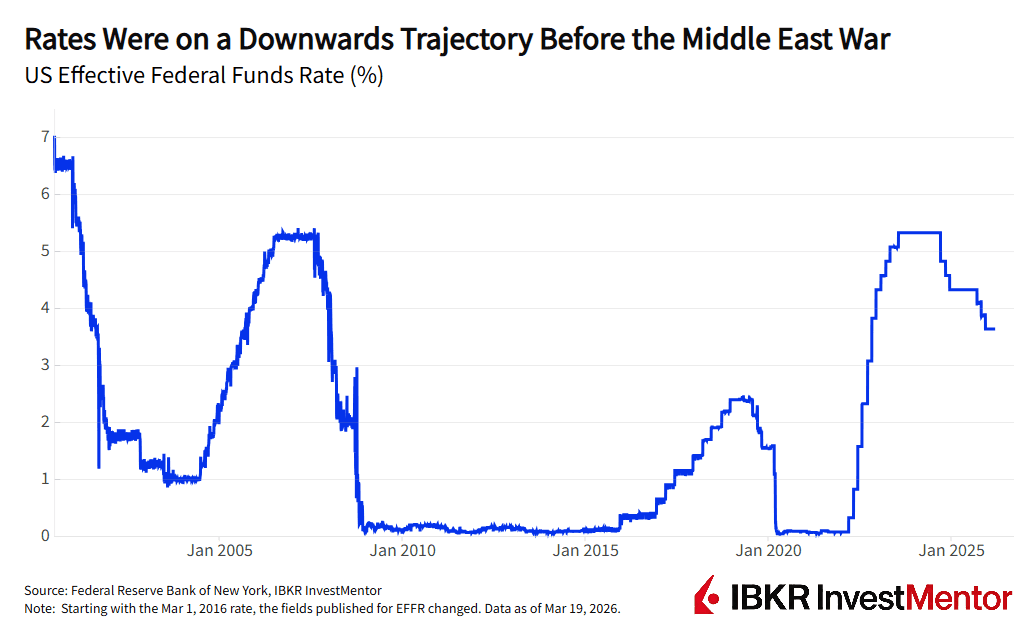
Mid-March is the unofficial central banking super week, with many of the world’s central banks deciding on rates around the same time.
This time all major ones made the same move: they held interest rates steady. The US Fed, the European Central Bank, the Bank of England, the Bank of Japan, and the Bank of Canada all decided to wait and see, stressing that the outlook has become much more uncertain.
They face the same dilemma: Raise rates too early and you risk choking weak growth. Wait too long and rising energy prices could reignite inflation across the economy.
Central banks carry fresh scars. In 2022, they initially treated the energy shock following Russia's invasion of Ukraine as temporary. Inflation proved anything but. Rates then had to rise sharply and painfully.
To avoid a re-run of that, officials are watching closely for:
Ideally, central banks should act before inflation gets out of control, not after.
Investors and analysts are starting to whisper an ugly word: stagflation. That means slow or negative growth combined with rising prices and elevated unemployment.
Energy shocks are especially risky because they:
Oil prices have jumped above $115 a barrel from about $72 before the war. Some analysts argue this price reaction has actually been muted, not yet accounting for a long-term disruption at the Strait of Hormuz, a crucial shipping route.
Central banks say they stand ready to act. But every option hurts.
For now, policymakers are choosing vigilance over action. Over the next months, everything hinges on whether this energy shock fades quickly or becomes another long, grinding test of global monetary policy.
Want to explore more? Download our free app to unlock expert news updates and interactive lessons about the financial world.