
Tech
Foldable Race
Can Apple's New Phone Make Foldables Mainstream?
9/10/20269/11/2026
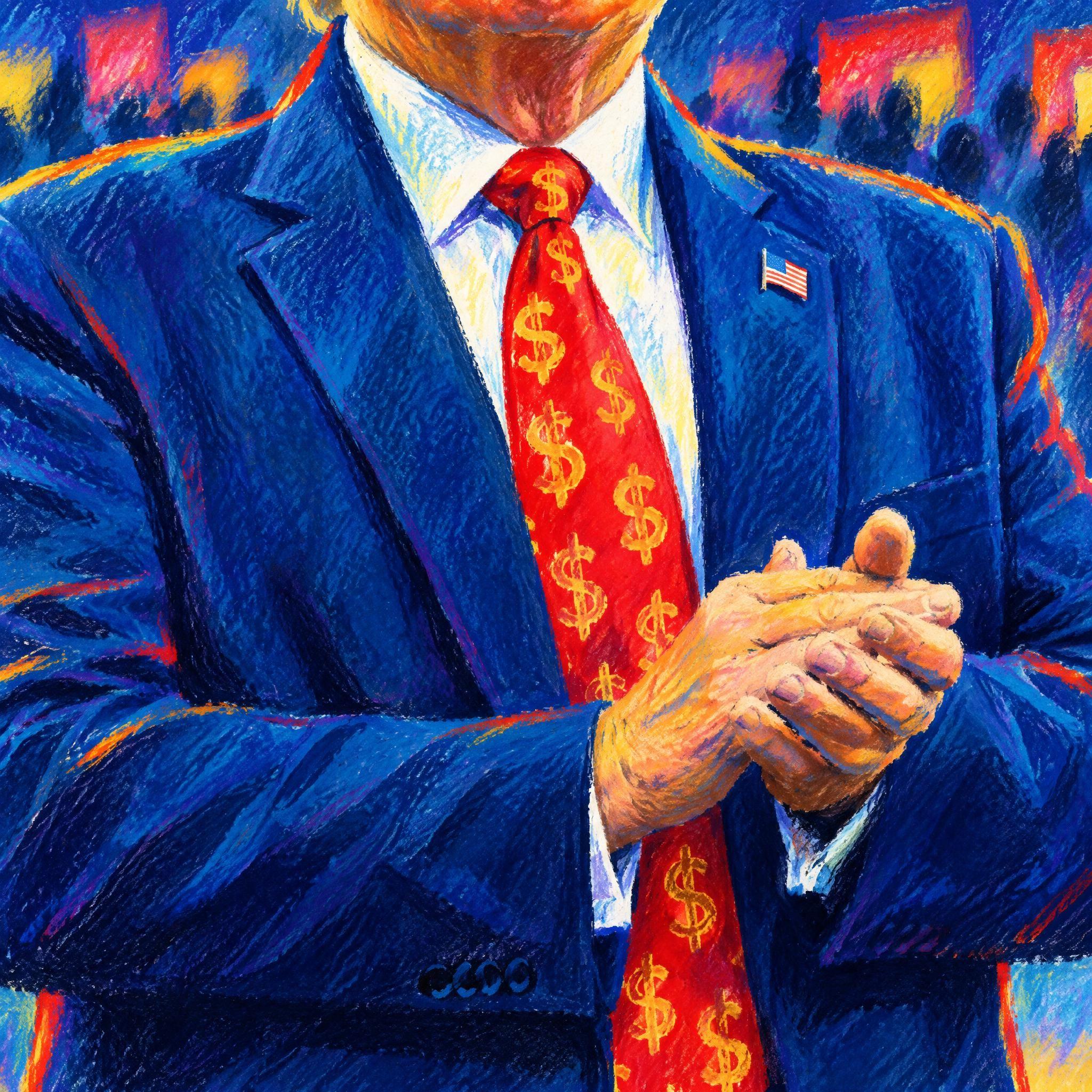
At a Republican convention in Dallas, US President Donald Trump promised a $5,000 "Trump dividend" to every adult American if Republicans keep control of both chambers of Congress after the November midterms.
This could cover roughly 240 million people and cost $1.2 trillion dollars — far exceeding pandemic stimulus payouts. For comparison, the 2026 US defense budget is roughly one trillion dollars. The money should be spent in America, although it's unclear how this would be enforced.
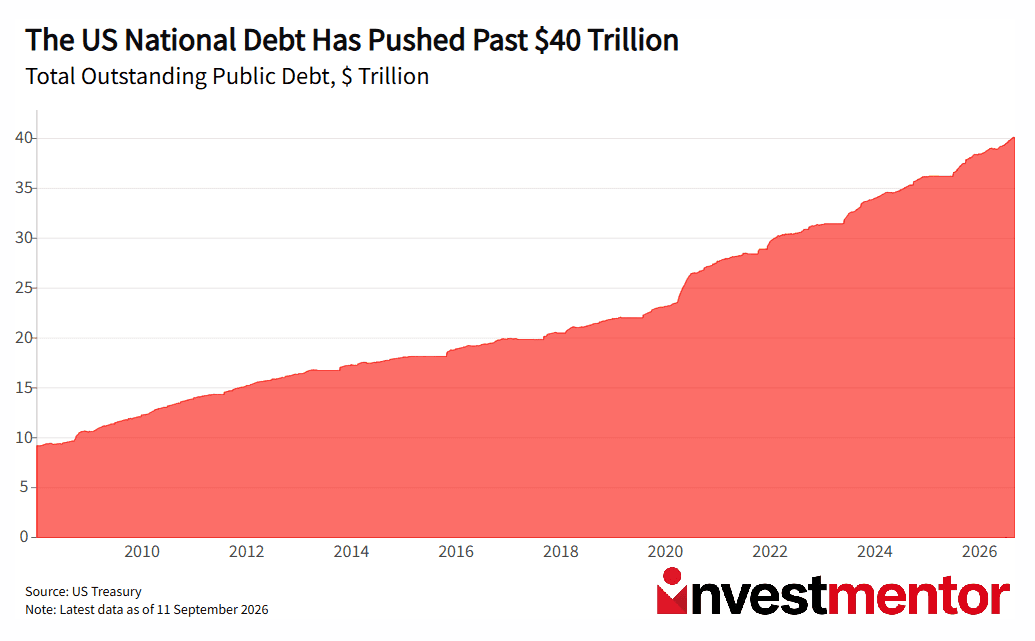
Trump said America would do a cash contribution to citizens “very much like a successful company” does to its shareholders. There's one problem though: companies distribute profits. The US government is already running large budget deficits and carrying now more than $40 trillion in debt.
Precedent suggests it’s not illegal to promise financial gains to the electorate at large during an election campaign. But the Constitution gives Congress control over federal spending. Trump would not be able to just order the Treasury to send everyone a check. He would need:
Even if Republicans sweep the midterms, many of them are doubting the scheme already. Fiscal conservatives question both the cost and whether the proposal fits a party that traditionally argues for smaller government and lower deficits.
The White House has previously floated the idea of using tariff revenues to fund payments. The problem is scale. A program costing more than $1 trillion would swallow a decade’s worth of proceeds from tariffs at the current 10% global level, according to Tax Foundation, a think tank. So, the money would have to come from:
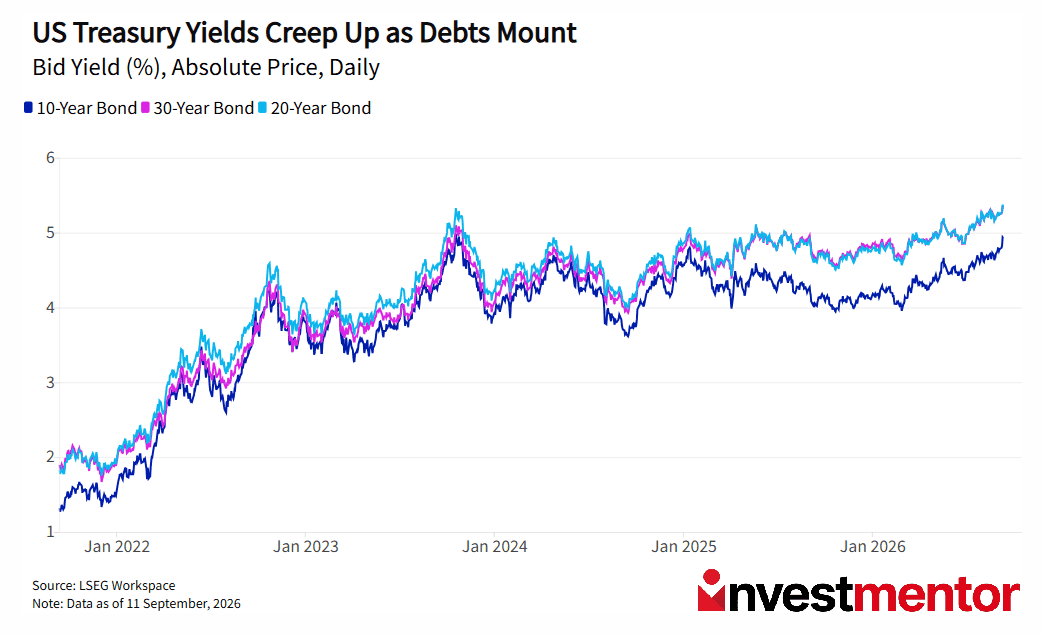
There’s very little appetite for any of this when US long-term treasury yields are already rising.
Economists may support government cash payments during emergencies such as recessions, financial crises, or pandemics. The goal is to boost spending when demand collapses.
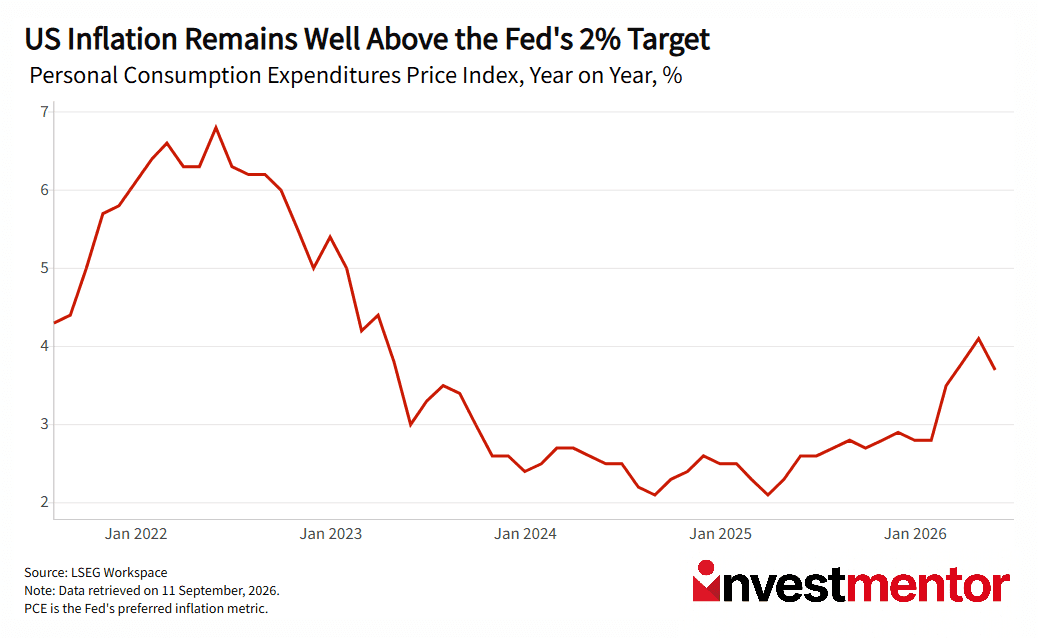
But the US is already dealing with rising energy prices and broader inflation, with the Federal Reserve already mulling interest rate hikes. Injecting more than $1 trillion into household bank accounts could encourage a wave of additional spending just as policymakers are trying to cool demand.
This stimulus injection could also fuel the treasury sell-off, with investors demanding higher interest rates to lend money to the government. This would further push up borrowing costs for Washington.
Want to explore more? Download our free app to unlock expert news updates and interactive lessons about the financial world.