
Tech
AI's IPO Test
Can The AI Boom Survive Public Markets?
9/7/20269/10/2026
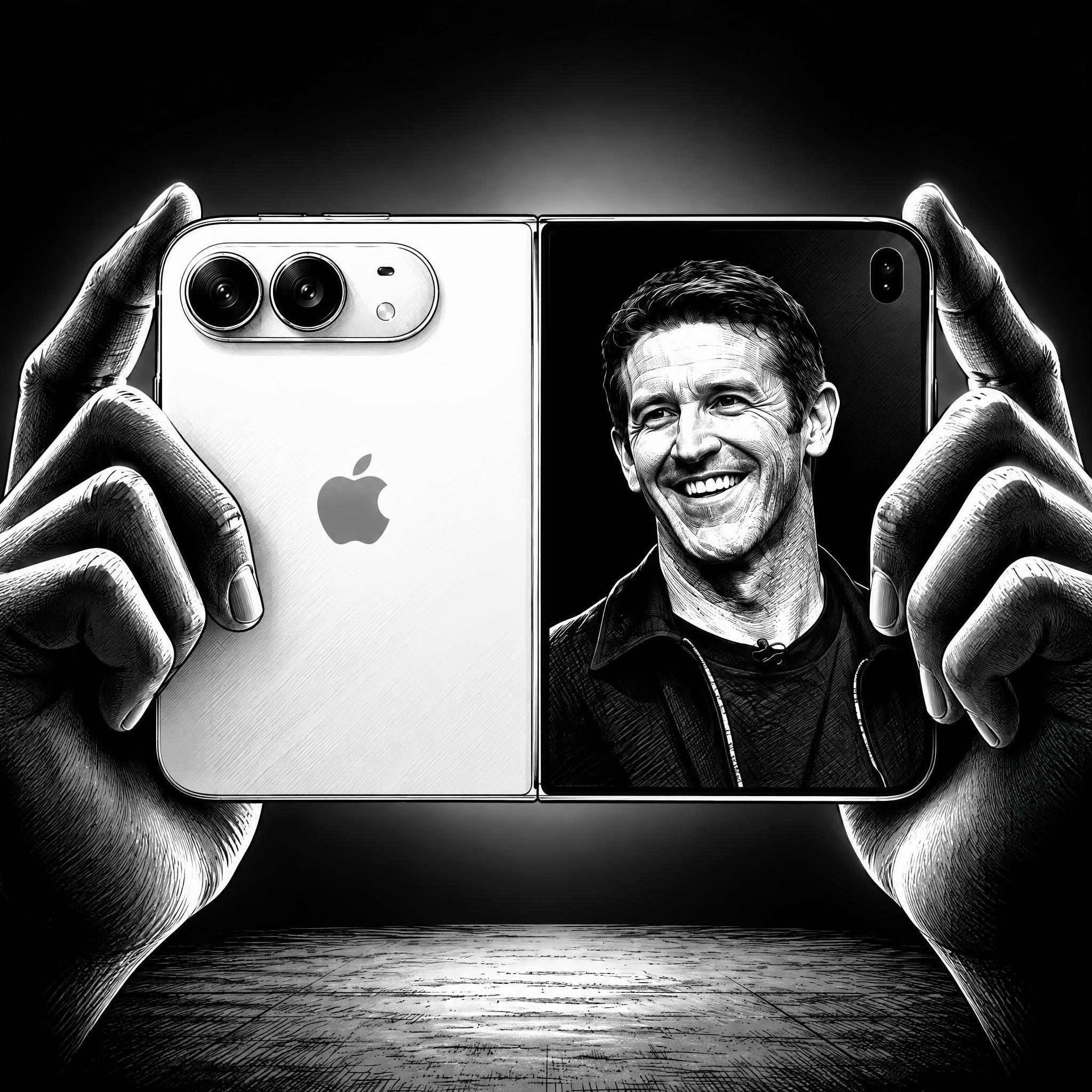
More than seven years since Samsung released the first mass-market foldable phone, Apple has finally entered the race. It’s a crowded one with Samsung pushing out the 8th generation of phones in three different shapes. Google and Motorola are also trying to get a slice of the demand, while Huawei has cornered the Chinese market.
The new iPhone Duo starts at eye-watering price point of $1,999 and unfolds from a passport-sized device into a 7.6-inch display, nearly the size of an iPad Mini.
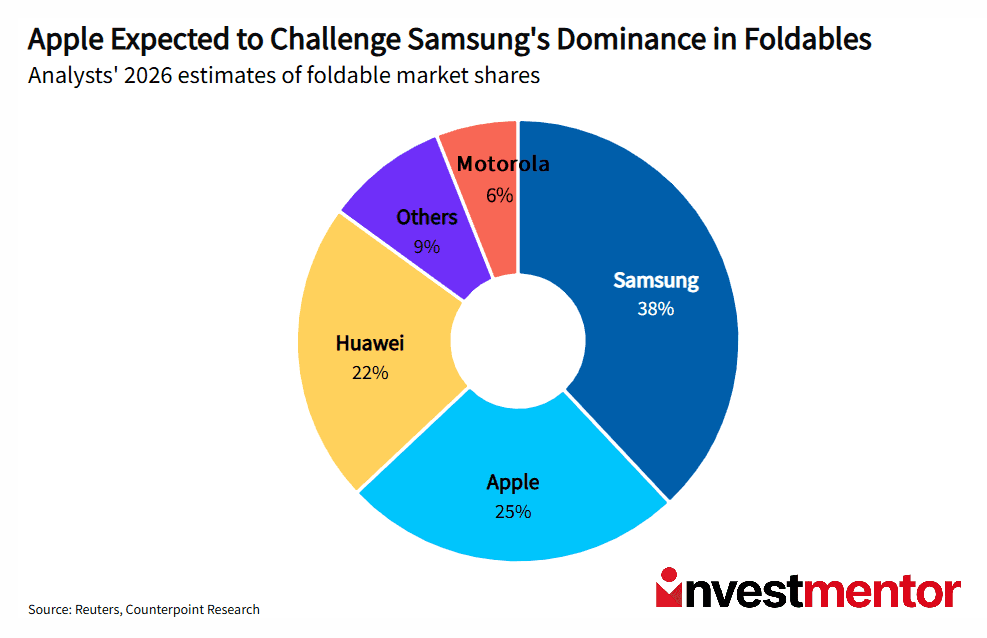
Despite the price tag, analysts believe Apple could grab at least 25% of the foldable market by the end of next year. That would be remarkable for a company arriving years after everyone else.

Apple wasn't first with smartphones, smartwatches, wireless earbuds, tablets, or even voice assistants. It’s competing with Nvidia for the title of the world’s most valuable company despite lagging on the AI boom. Apple’s playbook is usually the same:
Samsung tried to pre-empt Apple’s debut by pushing out its own passport-shaped phone Galaxy Z Fold 8 two months ago. As an interesting side note, Samsung’s subsidiary Samsung Display manufactures Apple’s folding screen.
The launch was also the first major public test for John Ternus, who recently succeeded Tim Cook as Apple's CEO.
Ternus inherited an enviable business, but also a difficult challenge in a rapidly changing environment amidst the AI boom. Apple is spending a fraction of Alphabet, Amazon, and Meta on capital expenditures. It has largely sat out the spending war on data centers and high-end chips, and will lean on Google’s Gemini AI on upgrading voice assistant Siri.
For now, Ternus seems to firmly focus on high-quality hardware with a luxury price tag. The most expensive version of Duo costs $3,200 — a sum you might expect to dish out on a top-of-the-line gaming computer. It’s iPhone 18 generation will be priced $100 higher than the previous, too.
The reigning foldables king, Samsung, recently announced their sales are growing 30% year-on-year. But foldables remain a niche product. In 2025, foldables sold about 20 million units in a market of 1.25 billion smartphones sold, according to IDC and Omdia analytics.
UBS expects Apple could feasibly sell 10 million iPhone Duos in its first year, but that compares with roughly 250 million iPhones sold annually. It’s unlikely to become a big business right away.
But foldables matter because they signal innovation, and if Apple is pricing them as luxury products for busy executives, it doesn’t necessarily matter if they don’t sell hundreds of millions of units.
Want to explore more? Download our free app to unlock expert news updates and interactive lessons about the financial world.