
Companies
Health Check
US Healthcare Sector Under Pressure
1/28/20261/28/2026

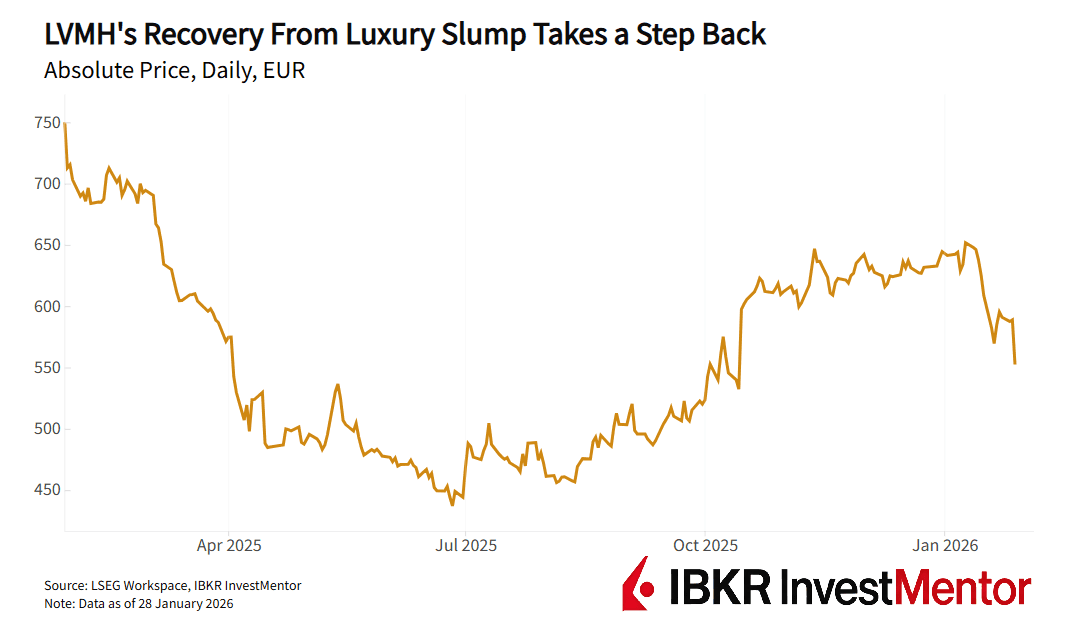
The world’s largest luxury company LVMH beat sales forecasts in the final quarter with €22.7 billion in revenue, up 1% like‑for‑like over the year, versus expectations of a small decline.
But shares fell more than 8% in Paris as investors worry the luxury sector’s recovery from a persistent slump has slowed down. LVMH’s workhorse, fashion and leather goods division, saw sales decline 3% year-on-year. And sales in Asia, including the crucial market of China, grew a measly 1%.
After promising results from rivals Richemont and Burberry, investors had hoped for a more upbeat performance.
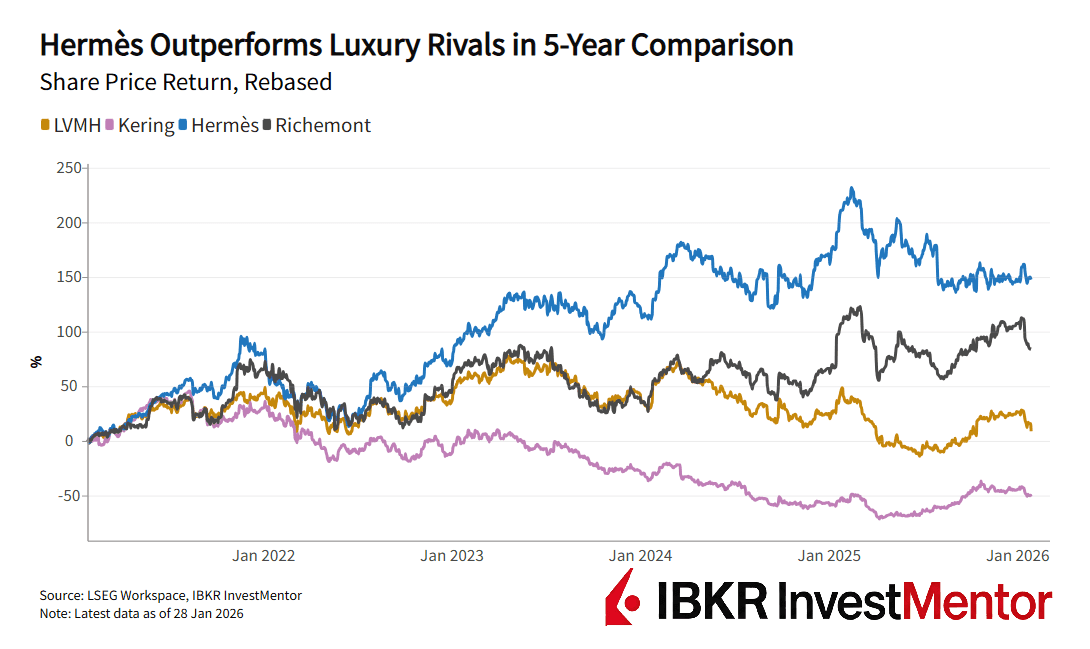
LVMH is a bellwether for the luxury industry. This is why the sector traded down on Wednesday, with rivals like Burberry, Kering, Hermès, and Moncler all losing 2-5% of their value.
LVMH has a market cap of about €270 billion ($325 billion) and has a rich portfolio of everything luxury, from fashion, bags, and perfumes to watches, jewelry, and champagne. Not only does it own Louis Vuitton brand, but also Tiffany, Dior, Kenzo, Celine, Rihanna’s Fenty, and Dom Pérignon, among others. It also runs beauty retailer Sephora.
This broad reach is why LVMH earnings are followed so closely.
China is the world's biggest luxury market. It grew by more than 18 percent annually from 2019 to 2023, but in 2024, luxury goods consumption plunged, then flatlining last year.
Chinese shoppers, at home and travelling, account for nearly a third of LVMH’s fashion and leather sales. When they spend, the whole sector lifts; when they hesitate, valuations wobble.
The rebound is uneven. A Chinese property crisis, rising local competition, and consumer sentiment turning away from showy, logo-driven luxury goods are all taking their toll on sales.
Luxury margins are being squeezed by a trifecta of a weak dollar, US tariffs, and record gold prices pushing up jewelry costs.
The US has struck a series of deals, bringing tariffs down from the levels threatened by the White House back in April 2025. But LVMH still must deal with 15% tariffs on most European goods shipped to the US, for example.
Geopolitical flare-ups don’t help. Recent on-off tariffs over Greenland and a quip by US President Donald Trump to ramp up tariffs on French wines to 200% over a diplomatic spat unnerved the investors. LVMH is the world’s leading champagne producer.
Some analysts say LVMH’s biggest long‑term risk isn’t China or tariffs — it’s who eventually succeeds 76-year-old Bernard Arnault, the CEO since 1989 and a key figure in building the luxury empire. He has occasionally topped the list of the world’s richest people.
LVMH recently extended the age limit to the combined CEO-and-chair role to 85. Arnault hasn’t named a successor, but all five of his adult children are involved with the company.
Shareholders argue that the lack of transparency is becoming a governance concern. It’s a real‑world Succession storyline, minus the HBO writers, but with more money and higher stakes.
Want to explore more? Download our free app to unlock expert news updates and interactive lessons about the financial world.