
Economy
Factory Alert
Oil Shock Starts Seeping Into China
4/10/20264/10/2026

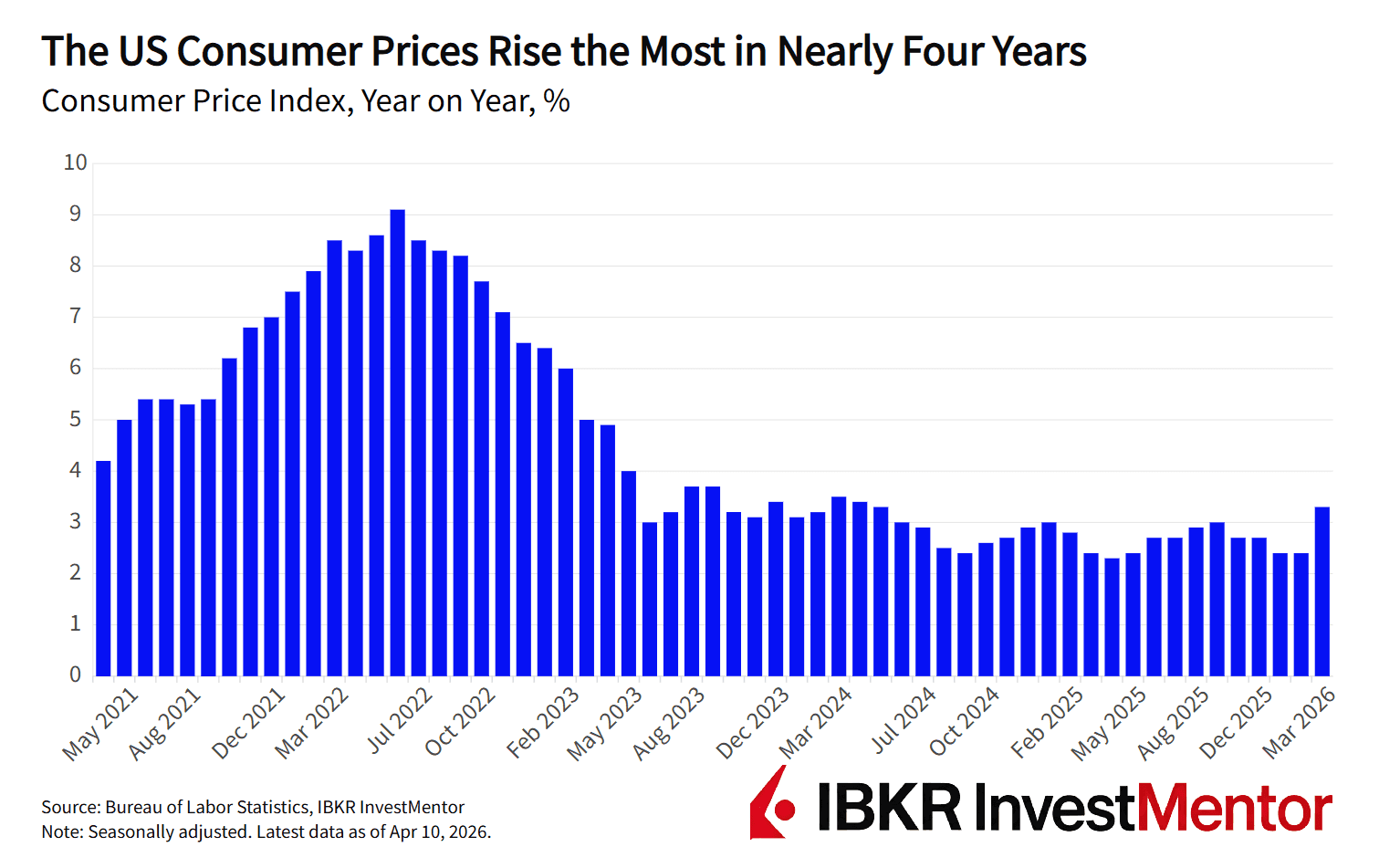
US consumer prices rose 3.3% year on year in March, up sharply from 2.4% in February and the highest level since May 2024. On a monthly basis, prices jumped 0.9%, the biggest increase in nearly four years.
The figures were slightly less severe than economists feared, but they still mark a stark reversal after months of cooling inflation. The oil shock, triggered by the Iran war, is now lifting prices across the world.
Even though the US is the biggest oil producer in the world, it is not immune to the global energy crisis.
Energy was, of course, the main driver of the March inflation spike. After Iran effectively shut the world’s most important oil tanker route, the Strait of Hormuz, oil prices surged.
American benchmark WTI is trading around 50% higher than it did pre-war. Average US gasoline prices have moved above $4 a gallon for the first time in more than three years, lifting transport and household costs.
Oil prices eased somewhat after the two-week ceasefire announcement, but traffic through the strait remains severely limited, keeping physical supply tight.
Even stripping out food and energy — the most volatile items — inflation still edged higher. Core CPI rose 2.6% year on year, up from 2.5% in February.
That matters because it suggests costs are starting to spread beyond fuel. Higher oil prices raise the cost of diesel, jet fuel, shipping, and manufacturing inputs, which then filter through the economy. Food production is also suffering from the disruption to fertilizer shipments from the Middle East.
Economists warn these second‑round effects often show up with a lag, making April and May data critical.
Markets reacted calmly, with stocks and bond yields barely budging.
Inside the Federal Reserve, the debate is sharper. Recent meeting minutes show officials openly split on whether a prolonged energy shock would require:
These latest inflation figures will fuel the debate. The pandemic-triggered inflation wasn’t supposed to stick around, but it did, for years. That’s why central bankers are cautious to dismiss an oil shock as a temporary blip in the data.
Want to explore more? Download our free app to unlock expert news updates and interactive lessons about the financial world.