Commodities
Two-Week Pause
Iran Ceasefire Sparks Relief Rally, but Now Comes the Hard Part
4/8/20264/9/2026
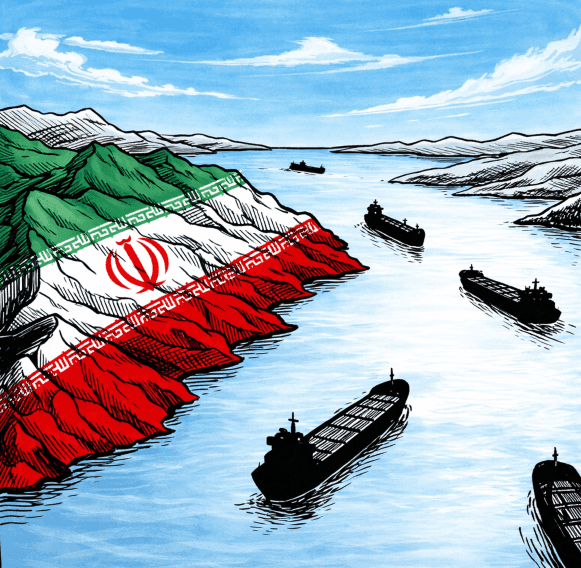
The Strait of Hormuz is a narrow waterway between Iran and Oman that normally carries about 20% of global oil and liquefied natural gas (LNG) shipments. Iran has demonstrated during the first six weeks of the war how it can effectively close the strait and inflict huge damage on the global economy.
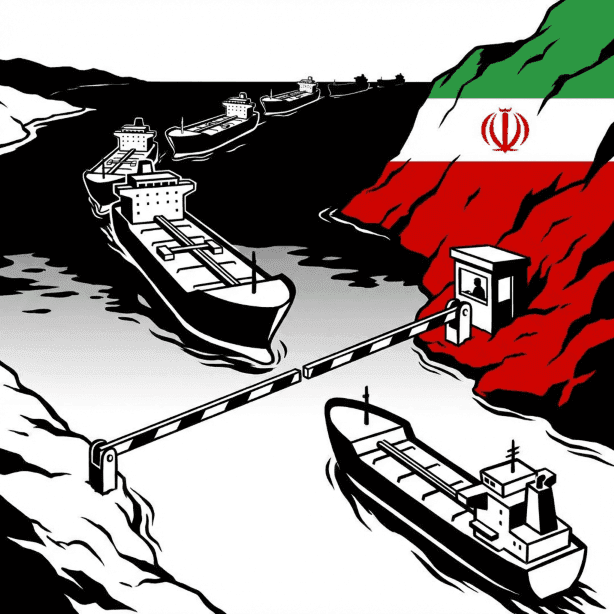
Now Tehran is pushing a different model: letting ships pass but charging for safe passage. That could turn an oil shock into something more permanent and challenge the international maritime principle of freedom of navigation.
The strait is roughly 30 miles wide at its narrowest point, with shipping lanes of only 2 miles wide for inbound and outbound traffic. Before the war, the passage was free for all vessels.
Granting Iran full control of the Strait of Hormuz is one of Tehran’s conditions for peace. This could have huge, long-term consequences for global trade:
The Strait of Hormuz runs through the territorial waters of two countries:
Because of that, no single country legally controls the strait. It is governed by international maritime rules, not by bilateral deals or recognition from the US. Under those rules, ships legally have the right to transit Hormuz without asking permission or paying tolls.
That’s why Oman matters now. It has pushed back on tolls and on any setup that treats Iran as the sole gatekeeper. But as Iran has shown, controlling the strait with drones, missiles, sea mines, and armed speedboats can be very effective.

Iran’s parliamentary committee has already approved the plan for the tolls, with the fees set reportedly at 1$ per barrel of oil. It is unclear what types of fees Iran intends to charge vessels carrying LNG, helium, or any other products shipped through the strait.
US President Donald Trump has floated a US‑Iran joint venture to charge tolls. For now, it’s more of an idea than a plan.
Running a toll system would require trust, shared enforcement, and clear rules between two countries that were exchanging strikes just a couple of days ago. None of that exists yet, and Oman is advocating free navigation. Other Gulf states and shipping firms are also against normalizing tolls.
Peace talks between the US and Iran are supposed to start on Friday in Pakistan, and, despite promises of reopening, the traffic in the strait remains well below 10% of normal levels.
Want to explore more? Download our free app to unlock expert news updates and interactive lessons about the financial world.