
Markets
China's AI Fever
A New Chip Titan Reaches for the Top Spot
7/27/20267/29/2026
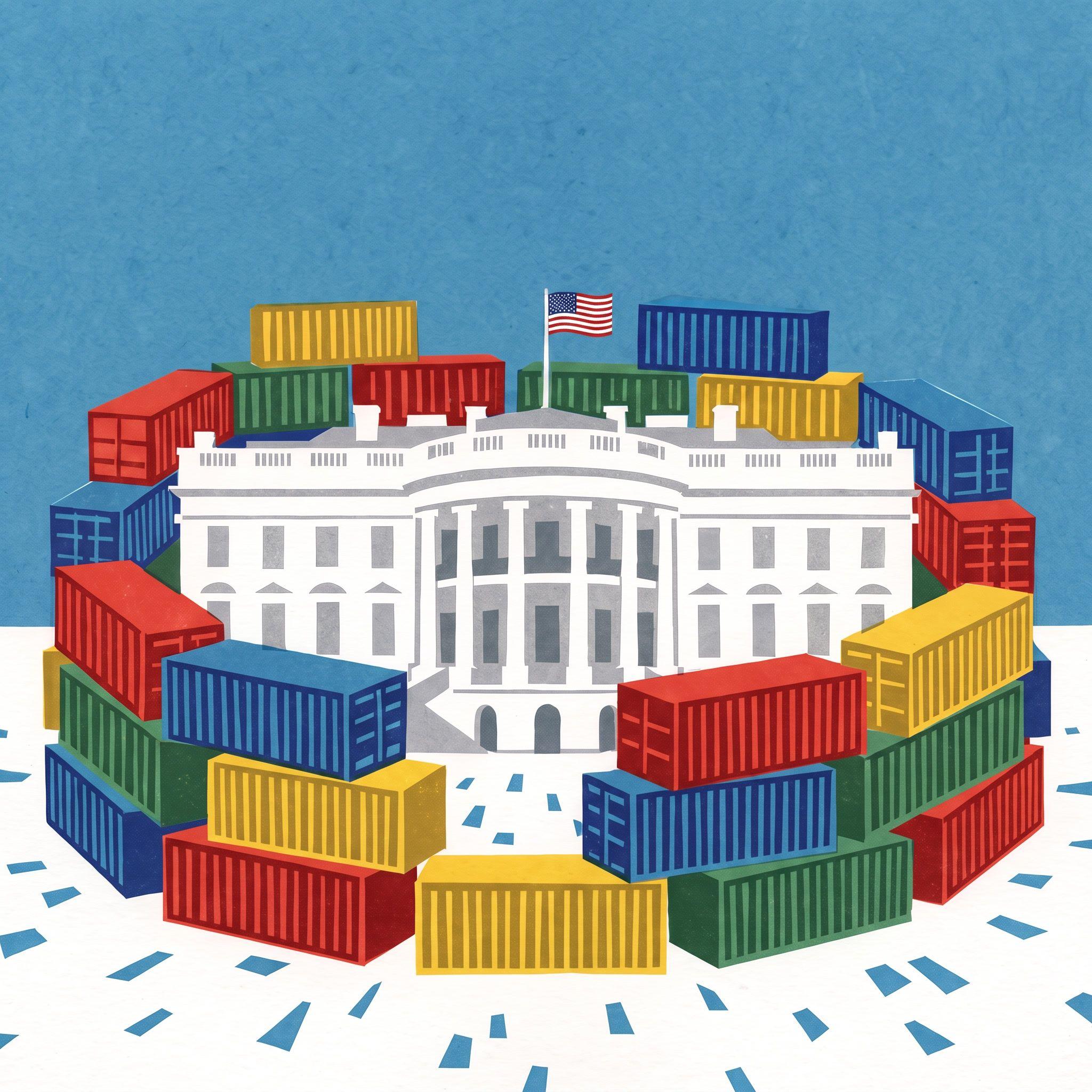
The White House has rolled out fresh tariffs of 10–12.5% on 60 countries. These will replace temporary 10% global tariffs, which expired on July 24.
This time, US President Donald Trump is using claims of forced labor as the justification for the tariffs. All major trading partners, such as the EU, China, Mexico, Japan, and the UK, are included.
This is just the opening salvo. The administration is also preparing investigations into alleged industrial overcapacity, intellectual property violations, and strategic industries such as semiconductors and robotics.
This is the third major overhaul of Trump’s tariff plan. The Supreme Court ruled in February that his original “Liberation Day” tariffs from April 2025 were illegal. His administration has since tried to find a legal solution to impose duties on most global goods.
The White House says these new tariffs are a response to foreign countries doing too little to prevent goods made with forced labor from entering their markets. There's one awkward detail though: the tariffs cover 99.4% of all US imports.
If all major trading partners are targeted, the policy doesn’t match a narrowly focused human rights operation. The US itself often uses the same suppliers as its Western counterparts. The administration has also used totally different reasoning for tariffs in the past.
Trump's first tariffs leaned on emergency powers. The Supreme Court struck them down, ruling that the administration had overstepped its authority. Usually, Congress controls taxes. The second set of tariffs relied on a clause that allows presidents to impose tariffs up to 150 days in response to a “large and serious” trade deficit. But this was only a quick fix.
The new duties are being imposed under Section 301 of the Trade Act of 1974. Trump administration successfully used this unfair trade statute against China during his first term.
The new tariffs will also have their day in court. Small businesses have already launched lawsuits. But trade experts expect those cases to take months, if not years, to work through the courts.
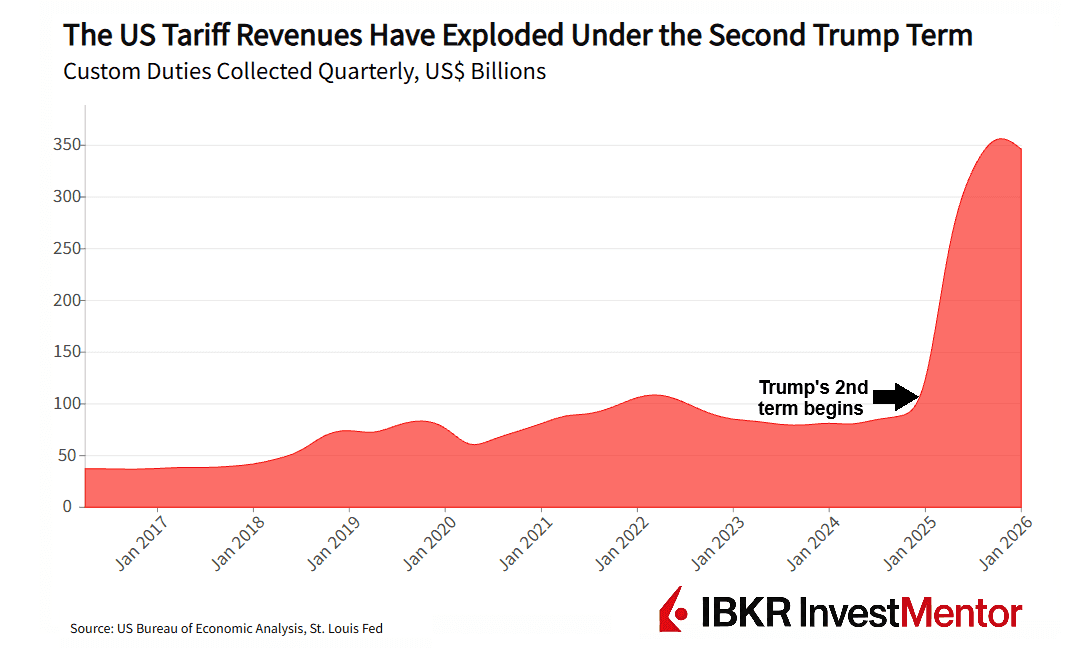
Some economists worry future US administrations could get hooked on tariff revenue, making trade barriers sticky. Liberation Day tariffs generated about $166 billion of tax revenue before courts ordered refunds. Those refunds are still trickling out, with $71 billion returned in May-June. But even with the refunds, customs revenues have skyrocketed since Trump took office.
Why does this matter?
The White House continues to pursue global tariffs despite court challenges. Tariffs of 10% or more are likely to remain in place in one form or another at least until the end of Trump’s term, January 2029.
Most trading partners have chosen not to retaliate, even if it means expensive access to the world's largest import market. But they’re strengthening relationships with other countries, leading to a realignment of global trade.
Protectionism isn’t solely driven by Trump’s second administration. Industrial subsidies have been on the rise for a while now, hitting $108 billion globally in 2024, the highest level since the financial crisis year of 2009. The energy industry, chip-making, and heavy manufacturing are all increasingly propped up by government money.
Want to explore more? Download our free app to unlock expert news updates and interactive lessons about the financial world.