Commodities
Gold & War
The Iran War is Testing Gold's Safe Haven Status
4/1/20264/7/2026
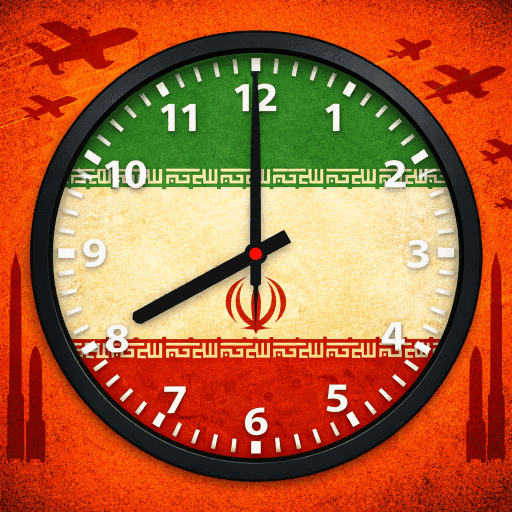
US President Donald Trump has given Iran until 8pm Washington time to reopen the Strait of Hormuz, a narrow waterway that normally carries about 20% of global oil and liquefied natural gas flows.
If Iran refuses, the president has threatened large‑scale strikes on Iranian infrastructure, including bridges and power plants. He warned on social media that "a whole civilization will die tonight” if a deal is not reached. The US has already started strikes on military targets on Kharg Island, Iran's oil hub. Iranian officials have said they will retaliate against energy assets across the Gulf.
Investors, together with the rest of the world, are waiting for a resolution.
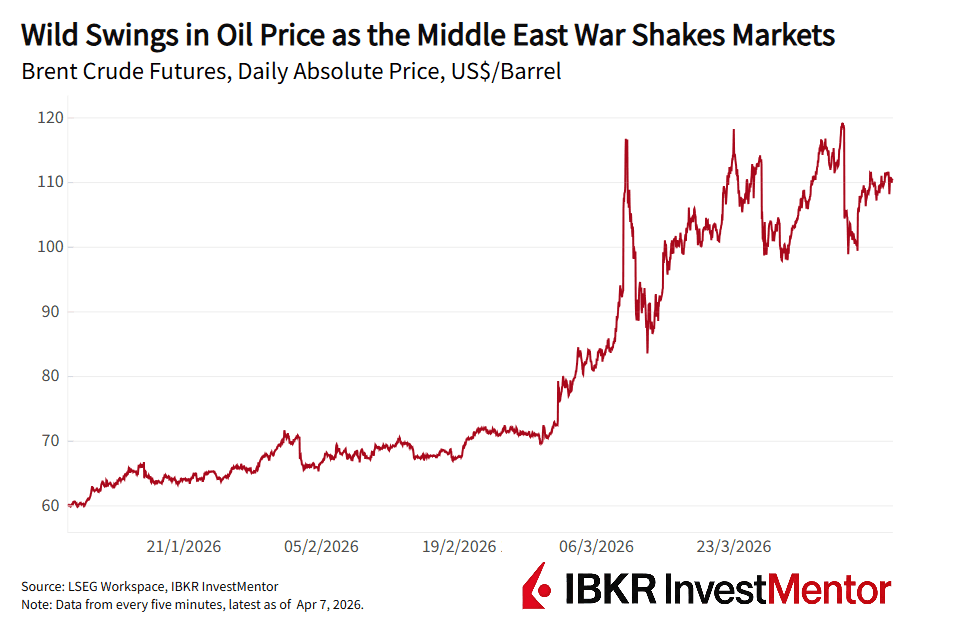
Markets have reacted cautiously to the possible escalation of the Iran war. Oil prices are higher, but moves have been contained. Stocks have wobbled, not sold off.
There are a few reasons:
For markets, the central question is not who backs down or who declares victory. It’s about whether the Strait of Hormuz reopens or remains largely impassable.
If tankers start moving again, supply pressure eases quickly. If they don’t, no amount of diplomatic messaging changes the fundamentals.
Any further damage done to the energy infrastructure in the region will prolong the global energy crisis, as it may take months or years for some of the facilities to return to normal.
This is a rare, finely balanced moment, more akin to a tight election than a typical geopolitical standoff. With two very different outcomes and no clear signal yet, markets have been unable to price in either path.
Want to explore more? Download our free app to unlock expert news updates and interactive lessons about the financial world.