
Companies
Warner Finale
Why Netflix Walked Away and Paramount Paid Up
2/27/2026
3/2/2026
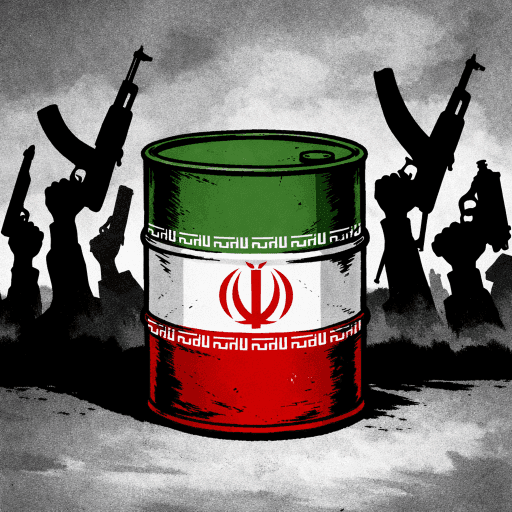
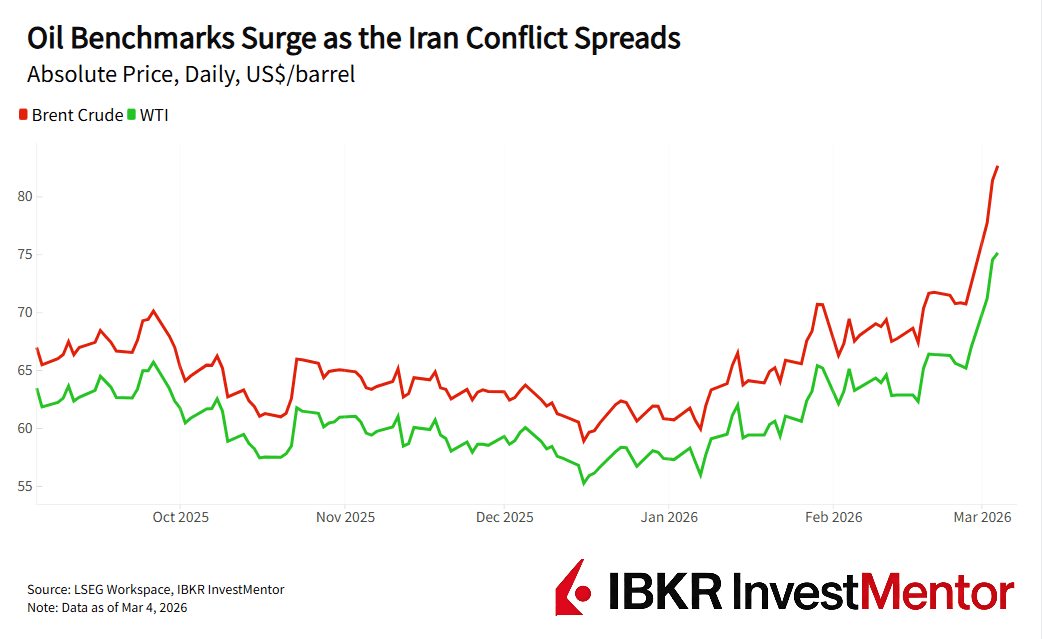
Oil prices have spiked by 17% in just two trading days, after the US and Israel attacked Iran over the weekend. Wholesale natural gas in Europe has shot up 40%. US President Donald Trump estimated the air strikes could continue for four weeks, but has since alarmed markets by saying “wars can be fought forever."
Iran has responded by firing missiles and drones at Israel, the Gulf States, and even a British airbase in Cyprus.
Economic stakes:
An oil shock is a sudden jump in oil prices big enough to shake the global economy. It happens when supply is threatened — by war, blockades, or major shipping delays.
The world has seen this before. The most famous one happened in 1973, when an embargo sent prices soaring 400% and triggered a global recession. It was followed by another shock just a few years later, resulting in nearly a decade of high inflation.
Today’s conflict fits the pattern of an oil shock. Refineries are shut, tankers are stuck, and the Strait of Hormuz is closed.
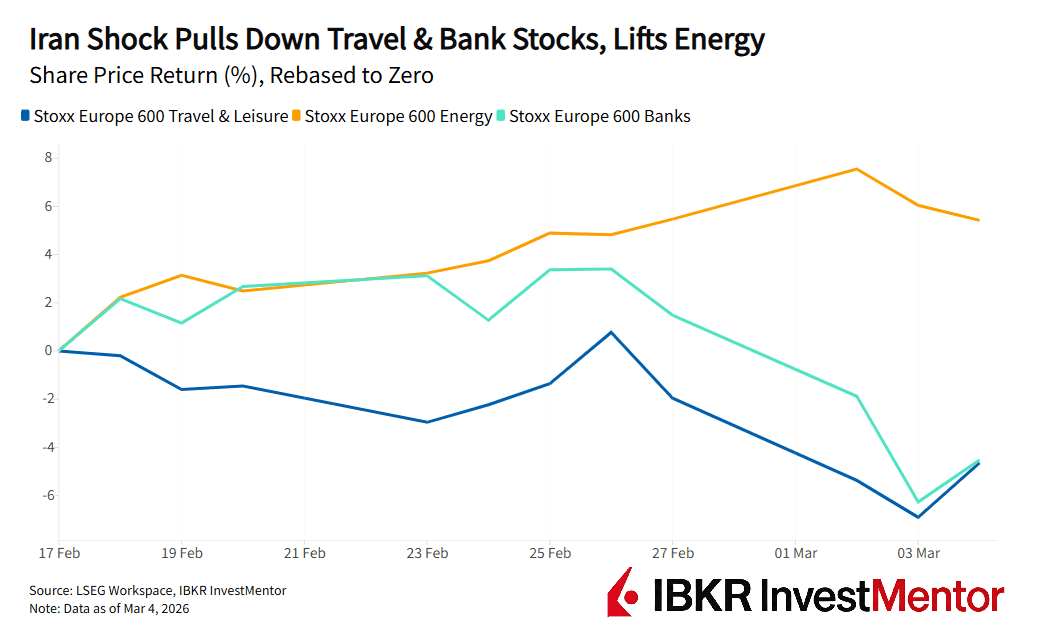
The stock market is divided in its reaction to the conflict, and swings are wild.
The result: a messy, uneven market where safety matters more than momentum.
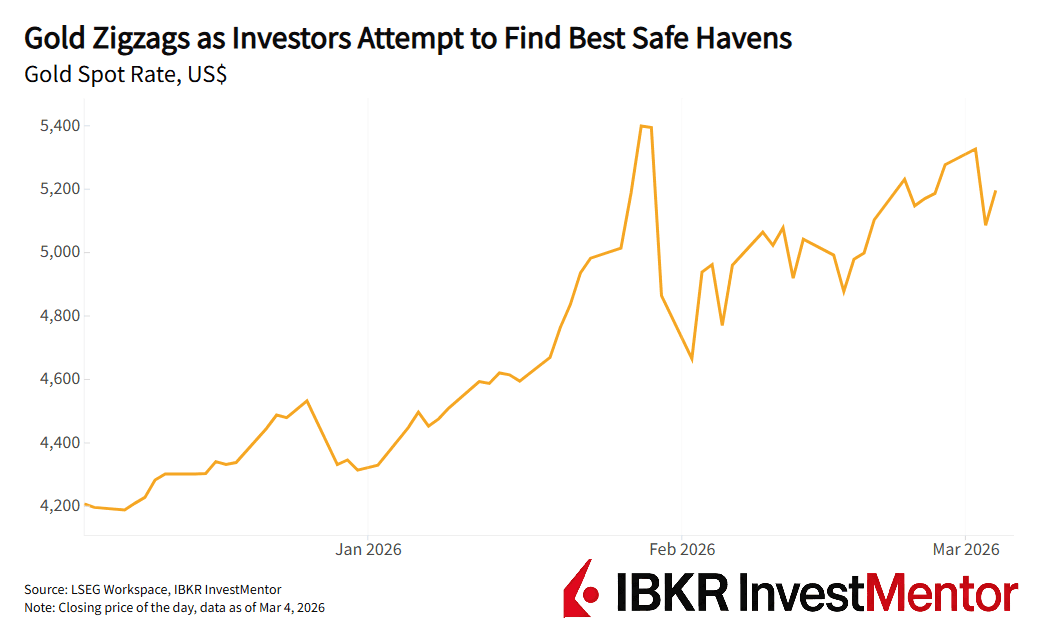
Investors hurried to find assets that feel steady when the world doesn’t.
Another safe haven, government bonds of wealthy nations, had a worried reaction. Bonds sold off and yields jumped in both the US and Europe due to worries about rising inflation. If the oil and gas shock persists, consumers will feel it in their wallets, and central banks may even revisit rate hikes.
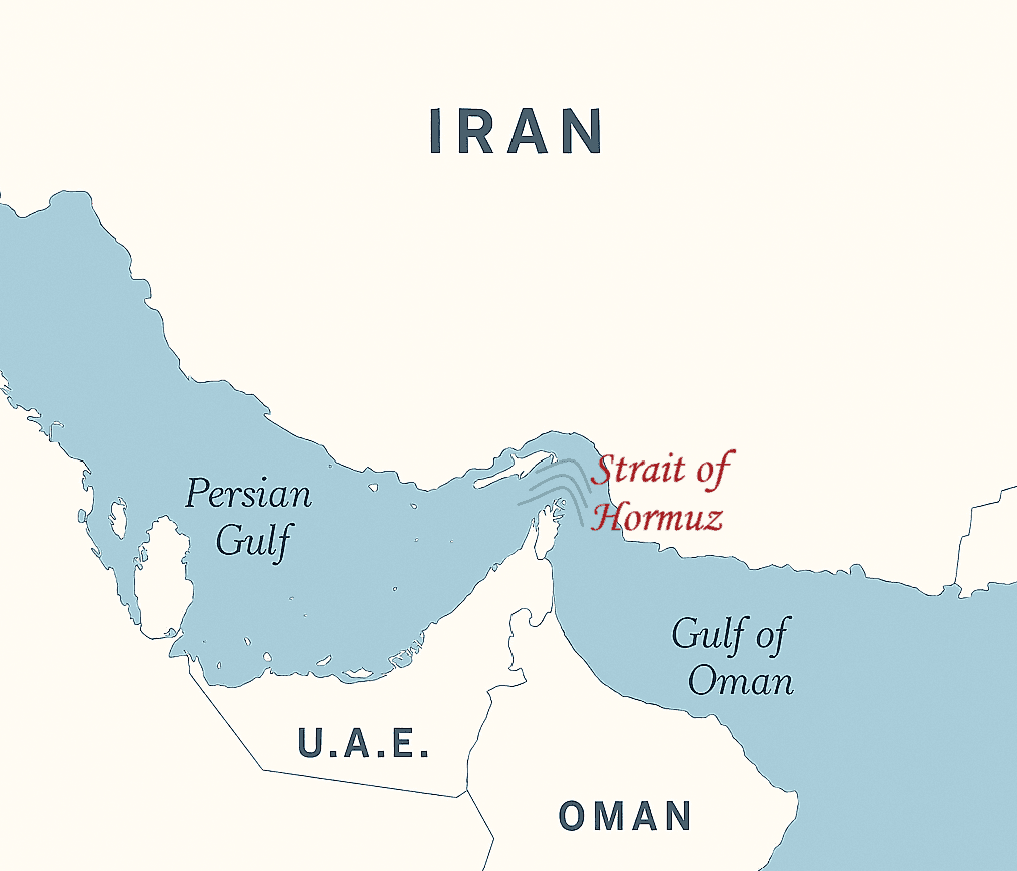
The Strait of Hormuz, a narrow waterway between Iran and Oman, is the world’s most important energy and shipping chokepoint. After the strikes, major shipping lines paused crossings and rerouted ships around Africa. Its global role is huge:
Even a brief disruption can raise energy prices, slow trade, and push up shipping costs worldwide.