Politics
Housing Gridlock
The US Housing Market Needs More Than a Bill
7/10/20267/13/2026
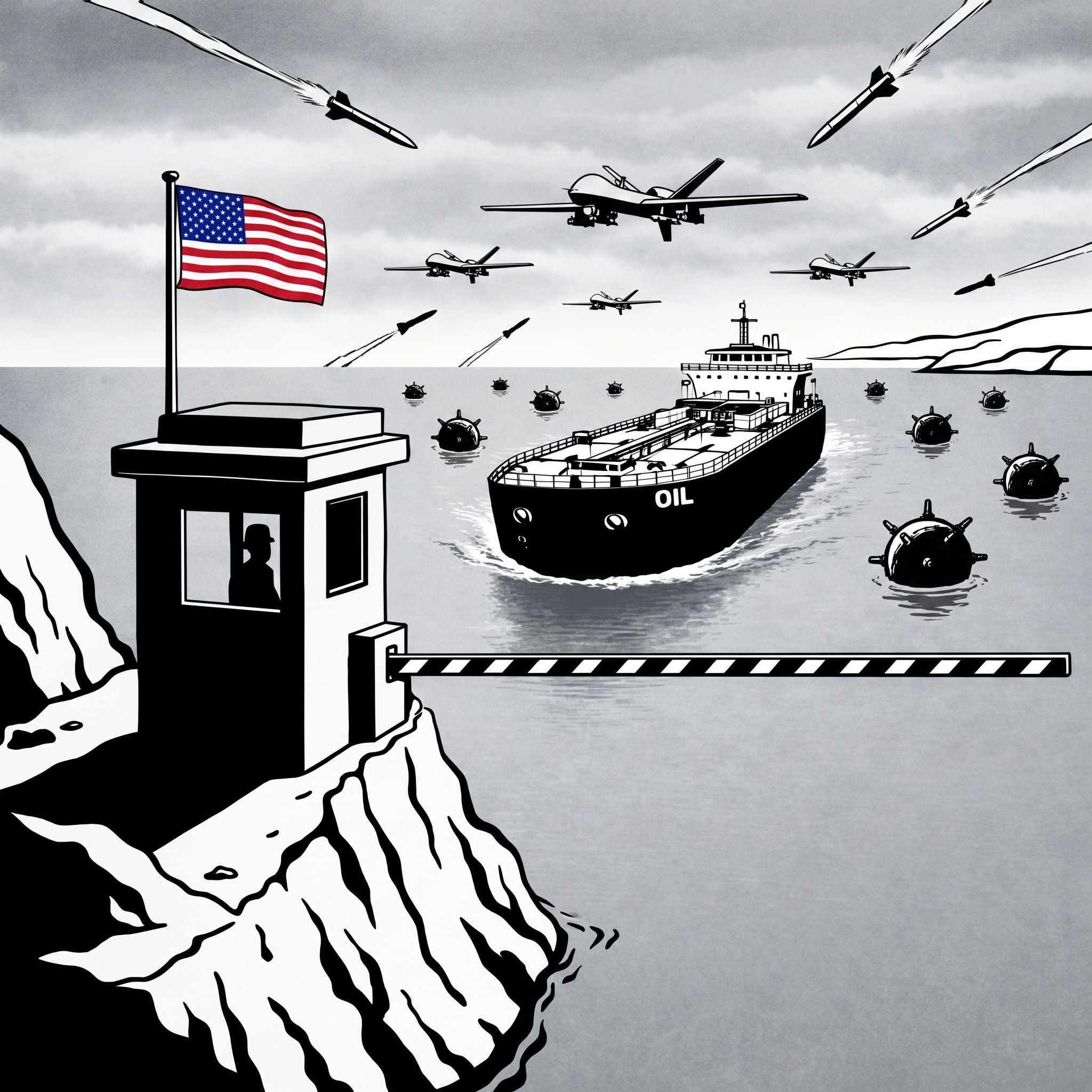
The Strait of Hormuz is heavily disrupted again, with Iran saying it is closing the world’s most important oil trade route and the US reinstating a blockade on Iranian vessels.
Why does this matter? Before the war, 20% of the world’s oil and liquefied natural gas travelled through it. It is also a key route to fertilizers and other chemicals that are created as byproducts of energy facilities in the region.
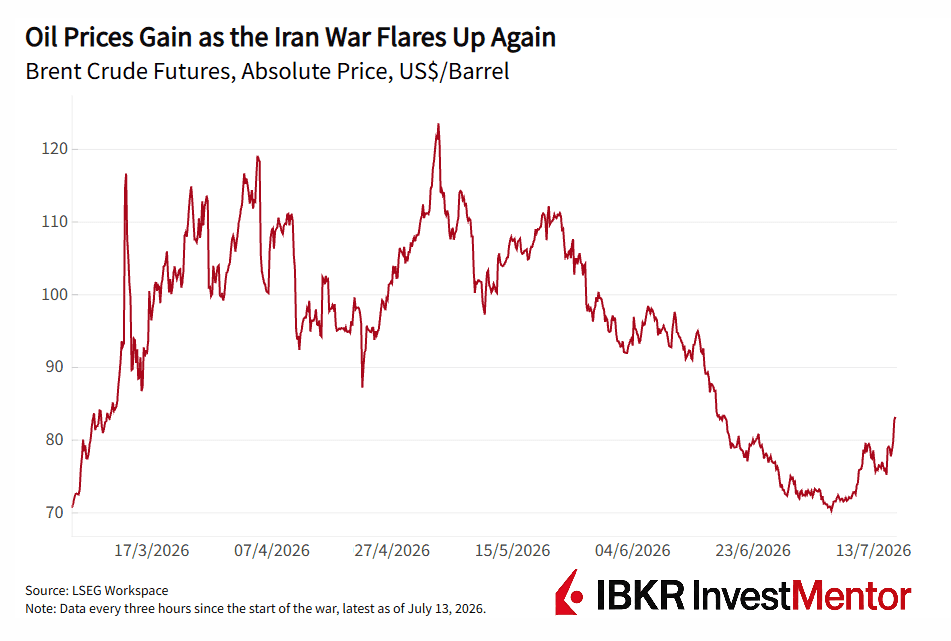
Global oil benchmark Brent crude shot up 9 percent on Monday to $83 per barrel, but prices are far from the wartime peak of above $120. Markets are becoming numb to the back and forth of the conflict.
After Iran renewed its intention to shut down the waterway again, US President Donald Trump declared on social media that the strait “is OPEN, and will remain OPEN, with or without Iran.” He considers the ceasefire to be over.
The president also declared the US “the guardian of the Strait of Hormuz,” adding that for that job America should be reimbursed 20% of all cargo shipped.
The news of the US attempting to charge tolls on the strait, which it has no claim to, angered international allies and the UN International Maritime Organization. Iran has charged some vessels tolls as high as $2 million earlier in the war. Trump has floated the idea of sharing these proceeds before. Pre-war, around 140 ships passed through daily.
The main reason why the ceasefire fell apart was a disagreement over Article 5 of their memorandum of understanding. That's the part that briefly opened the Strait of Hormuz for traffic.
Under Article 5, Iran promises to do its best to provide free and safe passage for commercial vessels during the 60-day truce. After that, Iran was supposed to negotiate with Oman to “define the future administration and maritime services in the Strait of Hormuz”, together with other Gulf states. Iran has made it clear that it wants to control the strait and charge for the passage.
Once the Strait was technically open, the ships started using the shipping lane closest to Oman — instead of the other route that runs close to Iran. This angered Iran, which has attacked some of those vessels, triggering a tit-for-tat with the US.
The Strait of Hormuz is one of the most important waterways on Earth, with a complicated legal status. It runs through the territorial waters of Oman and Iran. Still, under the United Nations Convention on the Law of the Sea (UNCLOS), all ships should be able to pass freely through internationally important straits. The Strait of Hormuz certainly qualifies as one.
But this is where things get tricky: Iran has signed the UNCLOS treaty but has never ratified it. The US has not even signed it. Many legal experts still consider shutting off the strait illegal, as even non-signatories should follow codified customary international law. The US blockade of Iranian vessels is similarly problematic.
The prolonged crisis is triggering new infrastructure projects as countries prepare for the possibility that the Strait of Hormuz will never be the same again. Emirati logistics giant DP World is planning new port facilities on the UAE's east coast, outside the Strait of Hormuz, the Financial Times reports.
The western port, Jebel Ali, helped turn Dubai into a global trade hub. But its activity plummeted more than 90% after the war started, blocking the ships from leaving and arriving.
The United Arab Emirates is also building a second pipeline that bypasses the Strait of Hormuz and could double its export capacity.
Want to explore more? Download our free app to unlock expert news updates and interactive lessons about the financial world.