
Tech
Memory Mania
South Korean Chip Giant Proves AI Boom is Alive and Well
7/10/20267/10/2026
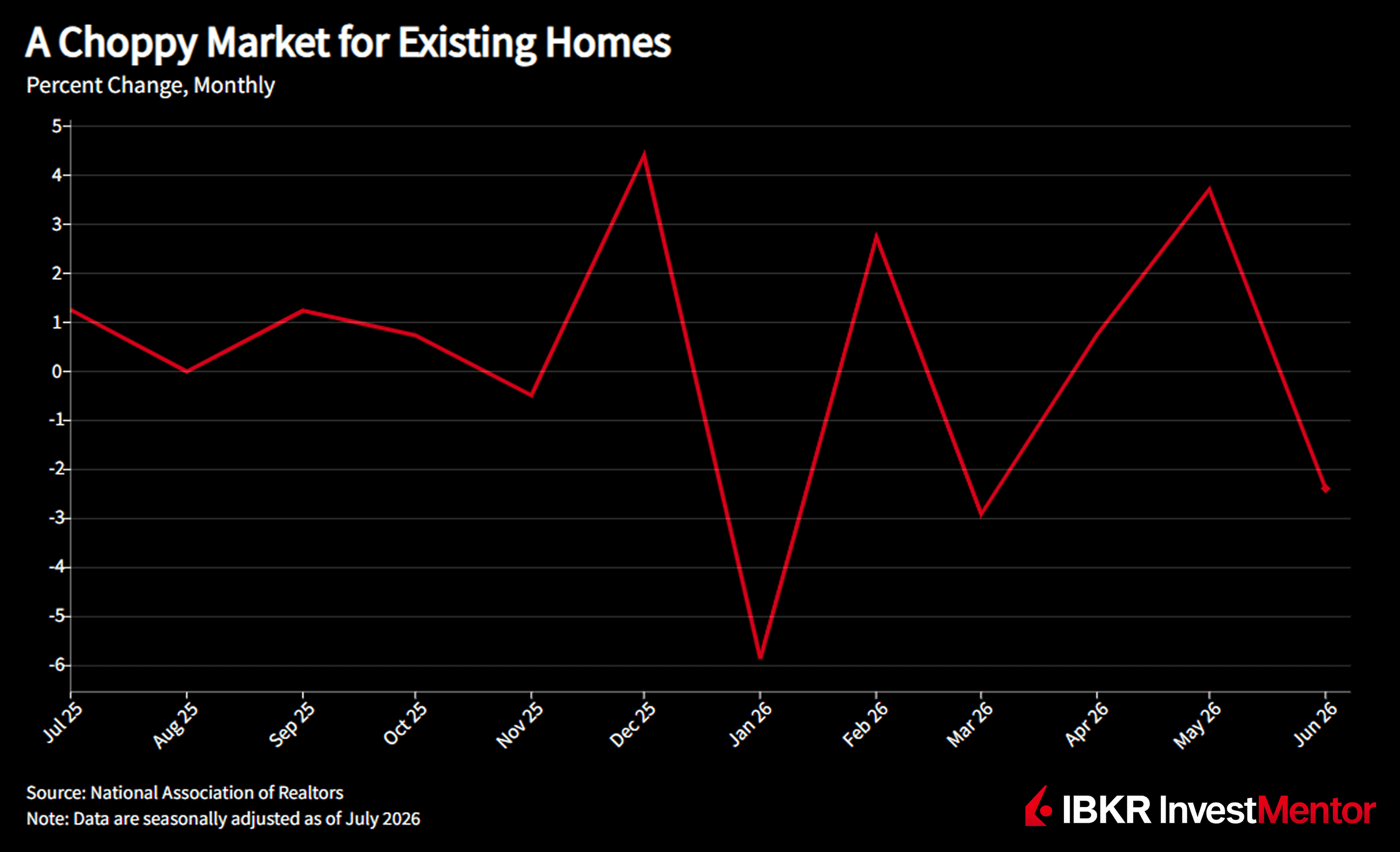
If you have tried to buy a home in the US recently, the market probably feels stuck. Fewer American homes are changing hands, yet prices are not giving buyers much relief. Existing-home sales fell 2.4% in June, according to the National Association of Realtors, while the median sales price rose to $440,600. Demand has cooled, but affordability has not improved. Many owners with low mortgage rates still have little reason to sell.
That is the backdrop for the 21st Century ROAD to Housing Act, which passed Congress with bipartisan support. The bill targets mortgage access, manufactured housing (factory-built units), planning rules, and investor activity. But it's unlikely to lower monthly payments or make homes meaningfully cheaper right away. Affordability continues to be driven by mortgage rates, construction costs, land prices, labor shortages, and local limits on building.
The supply story is more complicated than it sounds. Existing homes are scarce because many owners are locked into mortgage rates far below today’s levels. A homeowner paying around 3% has little incentive to sell and buy again near 7%.
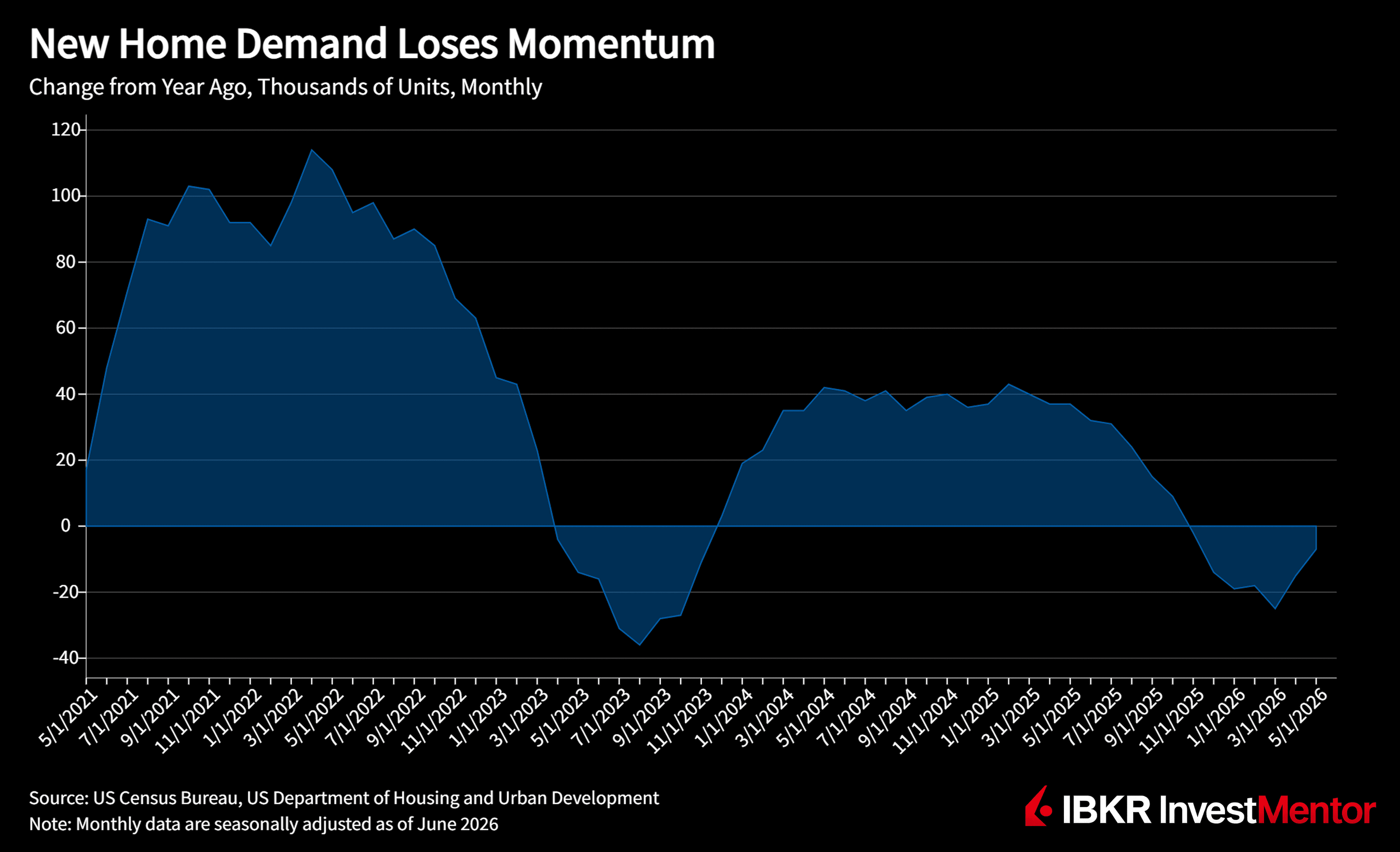
The new-home market shows the same pressure from another angle. Sales of newly built homes recently fell 7.3%, according to the Census Bureau, while builders held 496,000 unsold homes at a median price of $425,000. Builders have homes available, but many buyers still cannot afford them at current prices and mortgage rates. The issue is not just whether homes exist, but whether the monthly payment works.
The new bill is designed to take some friction out of the housing system. The changes may help some buyers, especially in markets where cheaper housing options are limited.
It also restricts large investors who own more than 350 single-family homes from buying more. That provision has political appeal, particularly in markets where institutional buyers have competed with families for starter homes. But large institutional investors account for only a small share of national single-family purchases, so the impact is likely to vary sharply by region.
The broader affordability problem is that the US has not built enough homes in the places where people want to live, and many of the homes that do get built remain too expensive for first-time buyers.
The bill’s biggest limitation is that many affordability pressures are outside Congress’s direct control. Inflation, bond markets, and central bank policy all impact mortgage rates. Construction labor shortages depend on training, demographics, immigration, and local market conditions. Zoning rules are usually set by cities and states, where opposition to denser development remains strong.
For buyers, the bill may ease some bottlenecks, but it is unlikely to make homes cheaper in the near term or bring monthly payments down on its own. Meaningful relief would likely require lower mortgage rates, stronger income growth, more construction, and local rules that allow more homes to be built where demand is strongest. Washington can clear some brush, but the homes still have to get built.
Want to explore more? Download our free app to unlock expert news updates and interactive lessons about the financial world.