Commodities
Crude Facts
Why Crude Oil Types Matter in Foreign Policy
1/5/20261/6/2026
Oil isn’t just fuel — it underpins the global currency system. Because every country needs energy, the currency used to buy crude oil becomes essential for every country to hold.
That’s why the US dollar dominates global finance. But China has been pushing hard to change that.
With the US capturing Venezuela’s President Nicolás Maduro in a major military strike, the balance of power in this currency tug‑of‑war may shift again.
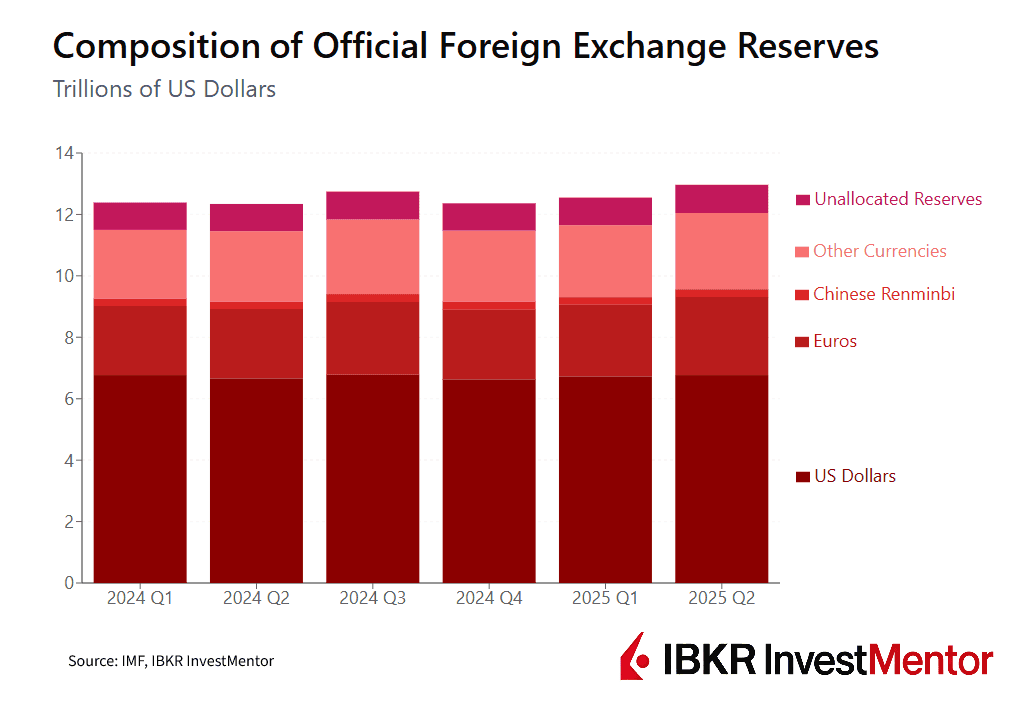
For over 50 years, the world has run on the Petrodollar system. It started as agreements between Saudi Arabia and the US in the 1970s to conduct all crude trade in US dollars, with the Saudis recycling their oil money into US treasuries and US-led investments.
The result:
Every nation keeps piles of dollars in its central bank — at least until alternative forms of energy become so widely available that crude oil loses its essential status.
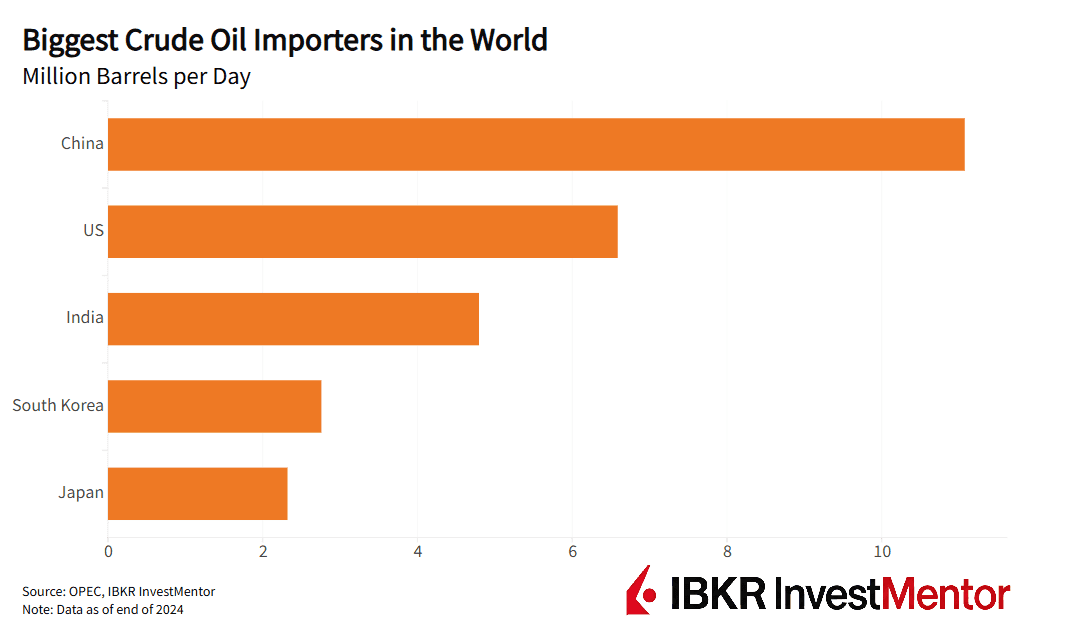
China, the world’s biggest oil importer, wants to break the dollar loop. Its goal: buy oil in yuan (renminbi) and get others to do that too, boosting its currency’s global status.
For years, Beijing has tried to push for this alternative Petroyuan system. Before the Venezuela attack, Beijing was gaining ground, especially with US-sanctioned suppliers like Iran, Russia — and Venezuela. But with Maduro captured and Washington asserting control, a major chunk of Venezuelan crude is likely to return to dollar‑based trade. China may lose access to cheap oil-for-credit deals and face higher, dollar‑priced imports.
When oil exporters sell crude, they’re paid in dollars — often more than they can spend domestically. So they “recycle” those dollars into US Treasury bonds.
In practice:
This system helps keep US borrowing costs lower, even with debt-to-GDP above 120%.
If the US stabilizes Venezuela (and this is a huge if), manages the transition of power peacefully, and coaxes American companies to upgrade the country’s ailing oil infrastructure, the Petrodollar system will strengthen. Venezuela’s oil reserves, the biggest in the world, could be fully utilized, with more dollar-denominated oil flowing in the market.
Oil exporters would benefit from stability and liquidity.
But emerging markets may feel the squeeze: a stronger dollar makes oil pricier and dollar‑denominated debts harder to repay. China, meanwhile, faces a setback in its Petroyuan ambitions.
Want to explore more? Download our free app to unlock expert news updates and interactive lessons about the financial world.