
Economy
Five-Year Plan
China Lays Out Plans for Tech Dominance
3/5/20263/6/2026
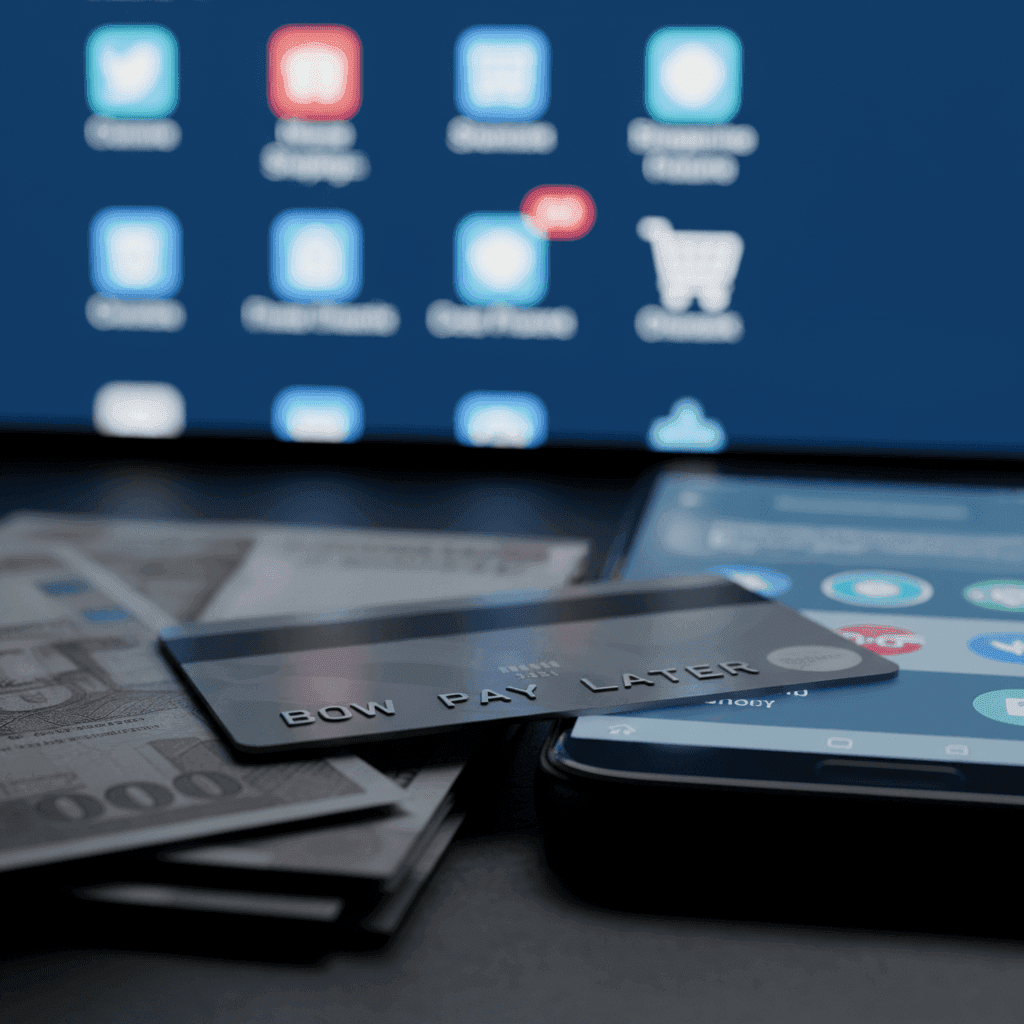
Buy now, pay later (BNPL) is a checkout option that splits one purchase into smaller payments instead of paying the full price upfront.
The most common setup is a short installment plan, but terms can vary widely, so it’s worth scanning what you’re agreeing to before you tap “confirm.” In practice, you're signing up for a short-term loan. Usually, BNPL credit is interest-free at first, but missing a payment can lead to punishing rates later.

BNPL got popular because it’s viewed as “frictionless.” Meaning that it helps shoppers spread costs, and it helps retailers close the sale. It’s also filled a gap for people who don’t want (or can’t access) a credit card yet, especially younger shoppers still building credit habits.
A 2025 LendingTree survey shows why age matters (US):
That’s the trade-off in one snapshot: BNPL is most popular where budgets are often tightest — and where “oops, I missed a due date” happens most.
BNPL can feel “lighter,” but it’s still debt with deadlines. The real risk is stacking: a few BNPL purchases can turn into a pile of due dates across multiple apps. Miss one and you may trigger fees, complications with returns, or other headaches.
A simple system to track payments, and enough cash in the linked account, helps avoid missed payments and accidental overdrafts.
That same 2025 survey by LendingTree found about 41–42% of BNPL users made at least one late payment that year (up from 39% in 2024 and 34% in 2023, per the comparison you provided).
But “late” in BNPL often means missing one installment by a few days, not the same as being 90+ days behind on a credit card. In 2025 snapshot, only ~2–4% of BNPL loans actually defaulted, meaning they went unpaid/charged off.
Want to explore more? Download our free app to unlock expert news updates and interactive lessons about the financial world.