
Economy
US Durables
Tracking Manufacturing and Business Investment
11/26/202511/26/2025
The Office for Budget Responsibility (OBR) — the UK’s independent fiscal watchdog — projects fiscal headroom, the amount of extra spending or tax cuts possible while staying within budget rules, at nearly £22 billion in four years, more than double earlier estimates this year.
But the growth outlook was cut: UK GDP is expected to expand by 1.5% a year on average in the coming five years, slower than previously forecast.
Budget Drama: OBR accidentally released its report 40 minutes before the Chancellor’s budget speech due to a “technical error”, revealing many budget details ahead of time.
Freeze Means Stealth Tax Hike
Freezing income tax thresholds until 2031 is a stealthy way to raise billions, as it drags more people into higher bands as salaries rise. Britain’s tax‑to‑GDP ratio will climb to 38.3%, the highest level since the World War II, but still lower than many European peers.
The chancellor reportedly considered breaking a 50‑year taboo by lifting the basic rate outright, but quickly reversed. Instead, she extended the freeze and nudged up rates on dividends, property, and savings income.
The move shows how governments often raise revenue by design tweaks rather than headline hikes.
Homeowners with properties worth over £2 million now face an extra tax bill of £2,500–£7,500. Landlords will be charged more for their rental income.
The Labour government also decided to trim pension perks, with salary‑sacrifice schemes hit for £5bn.
These measures highlight how politicians can shift the fortunes of the wealthy with asset‑based taxes and reshape housing or savings markets with a stroke of a pen.
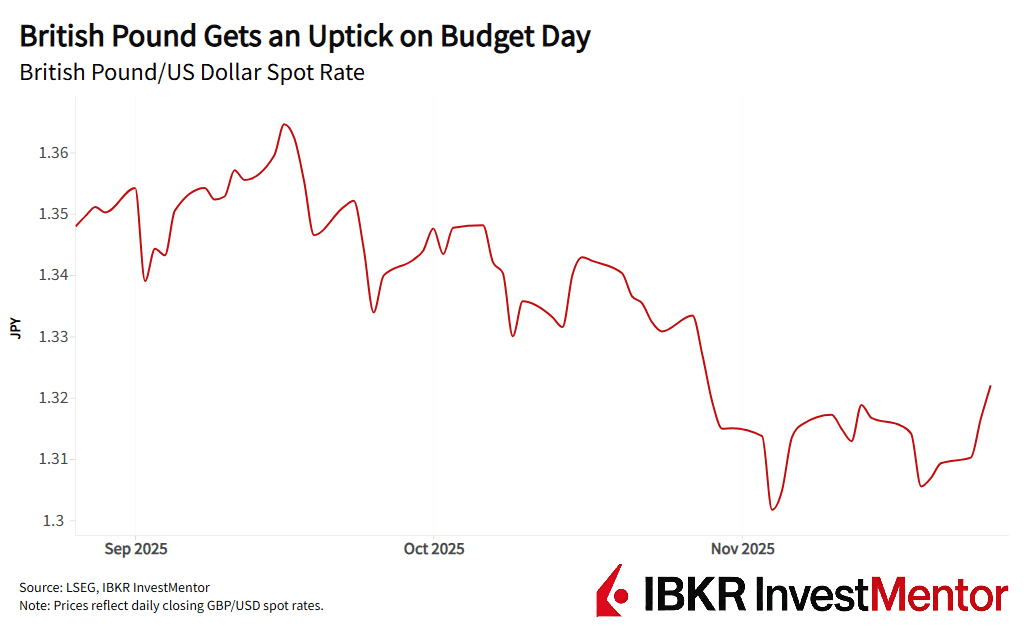
The budget day market reaction was cautiously optimistic, with the doubling of the fiscal buffer offering some solace.
Reeves got a big name backer, with JPMorgan CEO Jamie Dimon issuing a rare comment on a national budget, saying the chancellor’s focus on fostering growth is the only way to “lift up everyone”. Just hours later, the bank announced a multi-billion-pound investment in London.
The market reaction came as a relief to the treasury after anxious bond market moves earlier this month.
The annual budget reveal is one of the most significant days in British politics. The finance minister — known as the chancellor of the exchequer — outlines in a speech to the parliament her plans to tax, spend, and steer the economy.
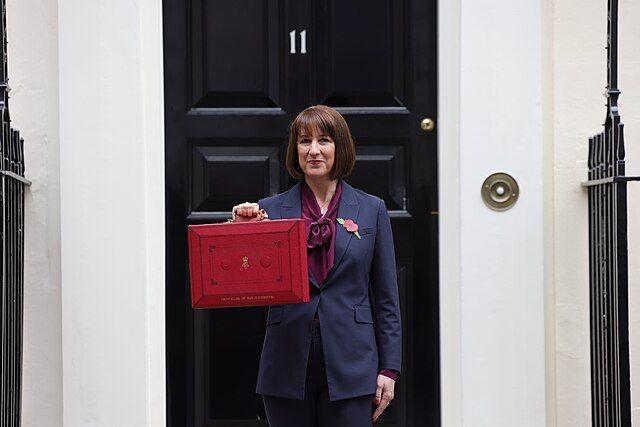
Before that, she poses outside 11 Downing Street (next door to the more famous No. 10, the prime minister’s residence) holding the red budget box. It’s not just for show: the lead-lined briefcase carries her speech, continuing a tradition that dates back to the 1860s.
It’s part theatre, part policy. Surprise announcements known as “rabbits out of the hat”, fierce parliament debate, and a media circus are all part of the play.
Want to explore more? Download our free app to unlock expert news updates and interactive lessons about the financial world.