
Economy
Producer Prices
Reading Inflation Before It Reaches Your Wallet
11/25/202511/26/2025
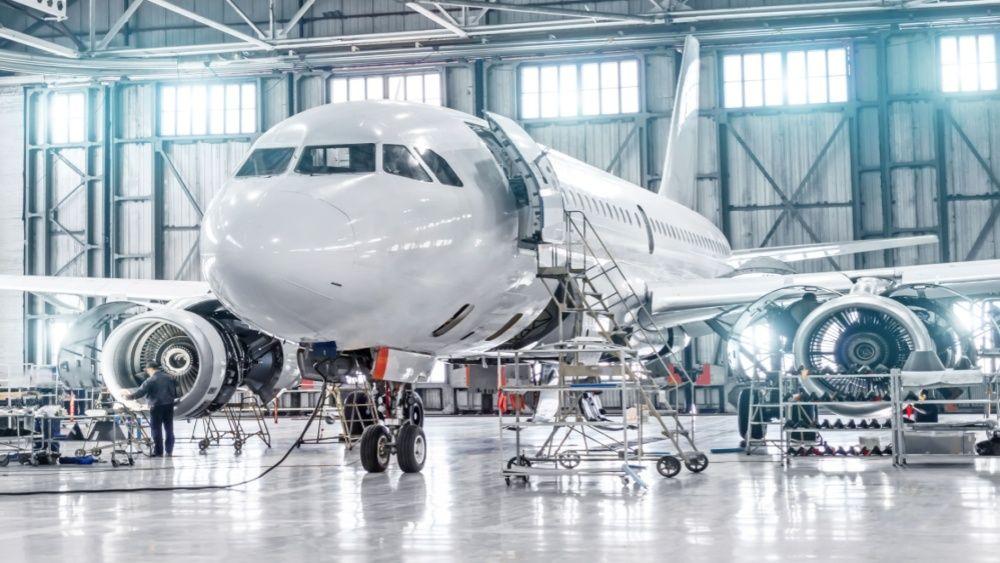
Durable goods orders offer one of the earliest reads on manufacturing health and business confidence. This monthly report tracks new orders placed with US manufacturers for goods designed to last at least three years like aircraft, machinery, computers, appliances, and vehicles.
Because businesses typically order these big-ticket items when they're confident about future demand, durable goods orders serve as a forward-looking indicator: a surge in orders today often translates to production, employment, and growth months down the road.
The biggest challenge with durable goods data is extreme month-to-month swings, particularly from transportation:
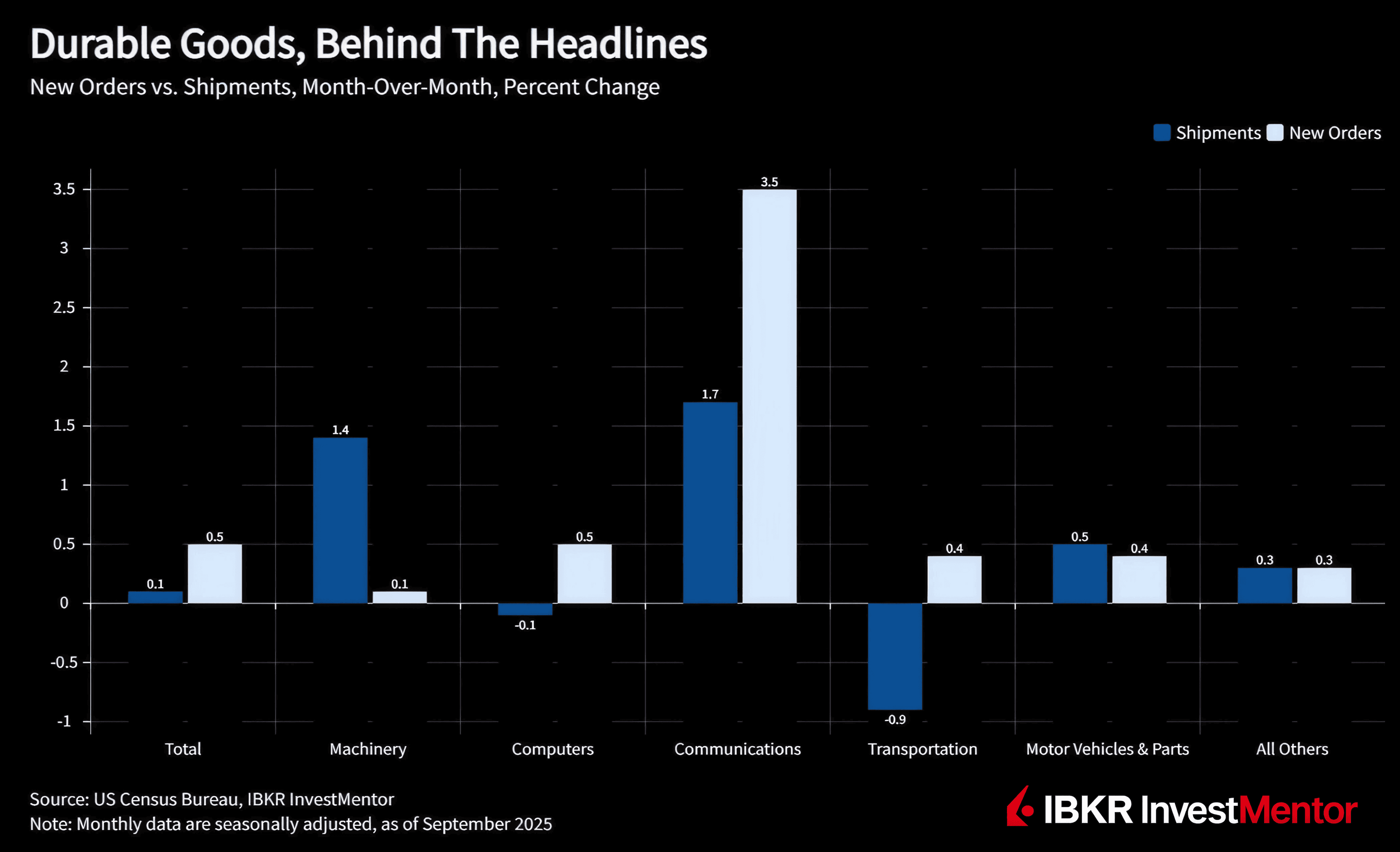
New orders for manufactured durable goods in September rose 0.5% to $313.7 billion, marking the second consecutive monthly increase. This followed a strong 3.0% August gain. Beneath the headline, the details reveal a more nuanced picture:
Key movements:
The breakdown between defense and nondefense capital goods tells different stories:
Nondefense capital goods orders: -0.9% to $94.0 billion
Defense capital goods orders: +23.0% to $19.7 billion (a massive surge)
This split matters. Nondefense orders reflect private sector investment—companies buying equipment when they expect demand. That 0.9% decline suggests businesses are pulling back. Meanwhile, the 23.0% defense surge reflects government procurement, not organic economic momentum.
September's durable goods report shows headline strength masking weakness in business investment. Total orders rose 0.5%, but core nondefense capital goods excluding aircraft declined 0.9%, suggesting companies are hesitating on expansion. The 23.0% defense surge propped up the headline but doesn't reflect broader economic confidence.
Growing backlogs (up 0.7%) and declining inventories suggest sustained work ahead, particularly in transportation. But the pullback in nondefense capital goods is noteworthy—business investment in productive equipment tends to lead economic activity, and when companies stop buying machinery, it often signals caution about future demand.
Want to explore more? Download our free app to unlock expert news updates and interactive lessons about the financial world.