
Economy
US Prices Surge
The Oil Shock Reaches the Checkout in America
4/10/20264/13/2026
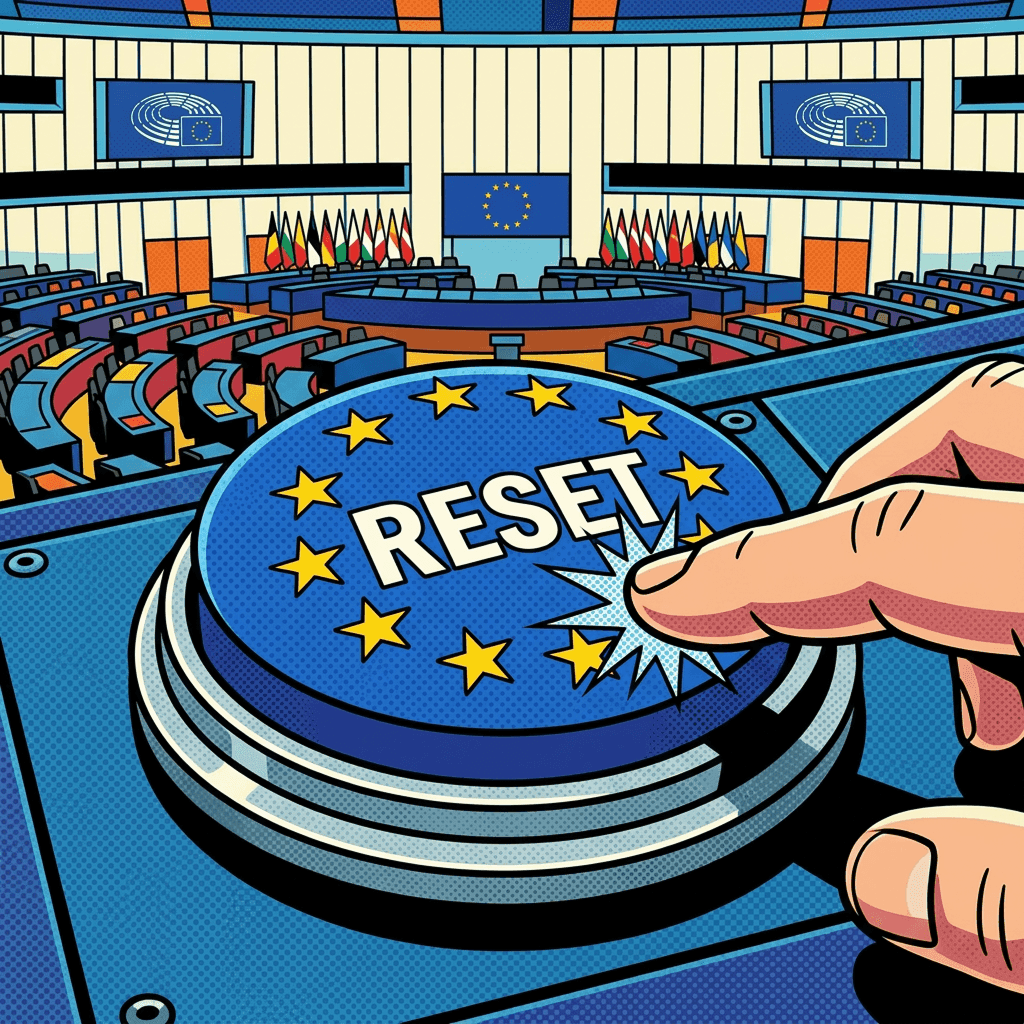
Hungary’s election ended 16 consecutive years of Viktor Orbán’s rule. Peter Magyar’s center-right Tisza party won a two‑thirds supermajority, giving the new government the power to rewrite the constitution.
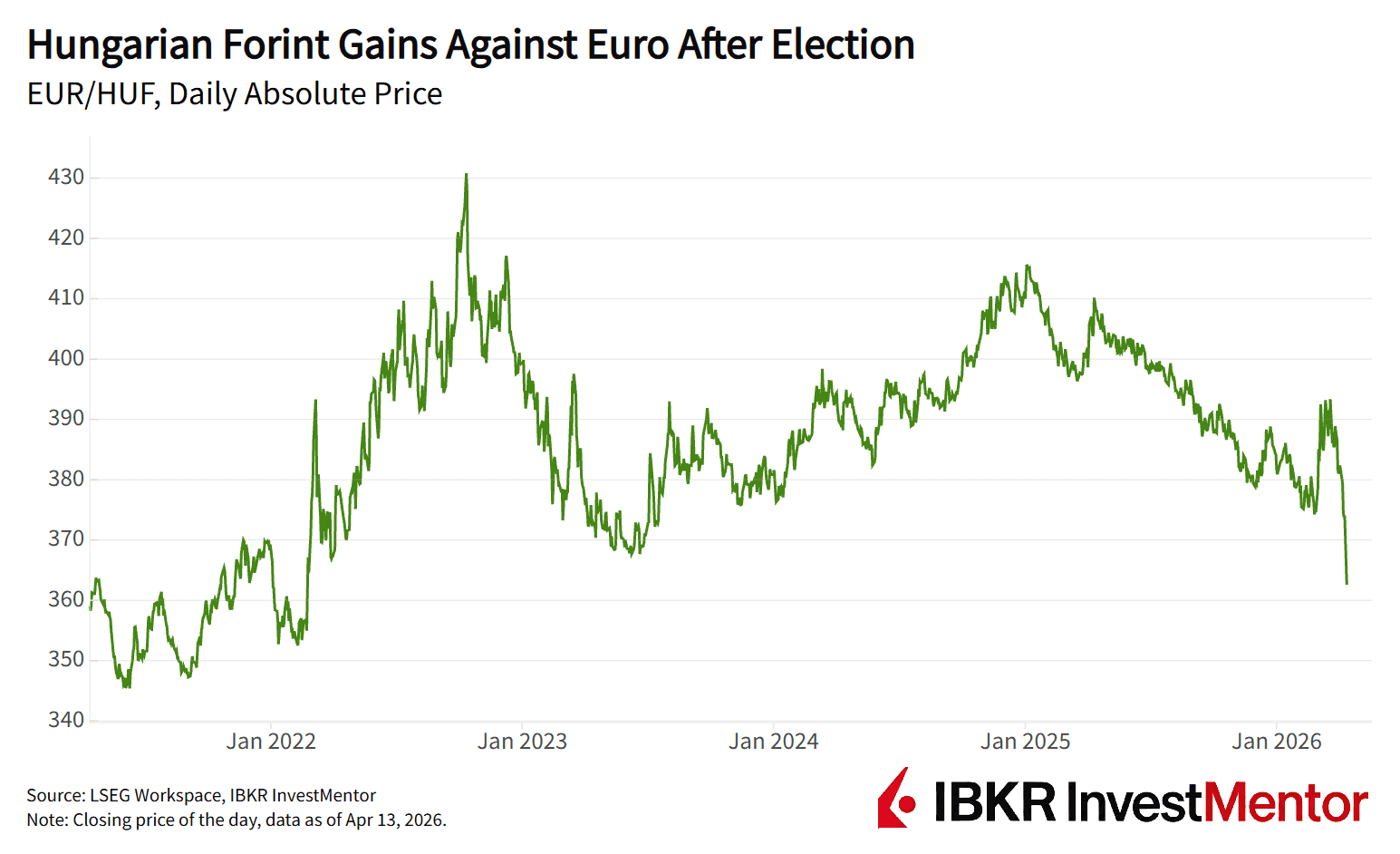
Markets welcomed the surprisingly clean victory instantly. The forint jumped 2.5% (a huge daily move in the currency markets), hitting the strongest level against the euro in four years. Stocks in Budapest surged 5%. Government bond yields fell.
Investors are betting this vote could unblock billions of euros frozen by the EU over corruption and rule‑of‑law disputes.
The EU has kept around €35 billion of funds on ice for Hungary. Brussels has tied the money to 27 conditions, mainly around corruption and judicial independence.
As the new prime minister, Magyar says he will move fast to:
If those reforms stick, the EU funding could be released, starting with recovery funds meant to support growth. Pursuing a euro membership is now back at the policy table, too, but still years away.
Investors are optimistic, but the EU officials remain cautious. Constitutional reforms are notoriously difficult to execute.
When pro-EU Prime Minister Donald Tusk returned to power in Poland, the EU quickly released frozen funds, but the independence of judges and other reforms have stalled due to a political gridlock.
Magyar will have to deliver first, and get paid later. His blockbuster election victory gives the new prime minister power to push through big reforms, if he so chooses.
Orbán’s Hungary was a major blocker of EU support for Ukraine, including a €90bn loan and new sanctions on Russia. That may now change.
If support for Ukraine starts flowing more freely, it would unlock decisions the EU has delayed for months and potentially open doors for other forms of support. This could have major geopolitical implications.
It could also further boost the European defense industry, which was already among the best performers among stocks last year.
Hungary’s economy has been stuck in stagnation for the last three years. The EU money would feed directly into investment, infrastructure, and jobs.
Analysts say funding could:
But corruption won’t vanish overnight. Hungary ranked at the bottom of the EU members in Transparency International’s global corruption index in 2025, placing 84th globally. Money alone doesn’t erase institutional damage.
Want to explore more? Download our free app to unlock expert news updates and interactive lessons about the financial world.