Commodities
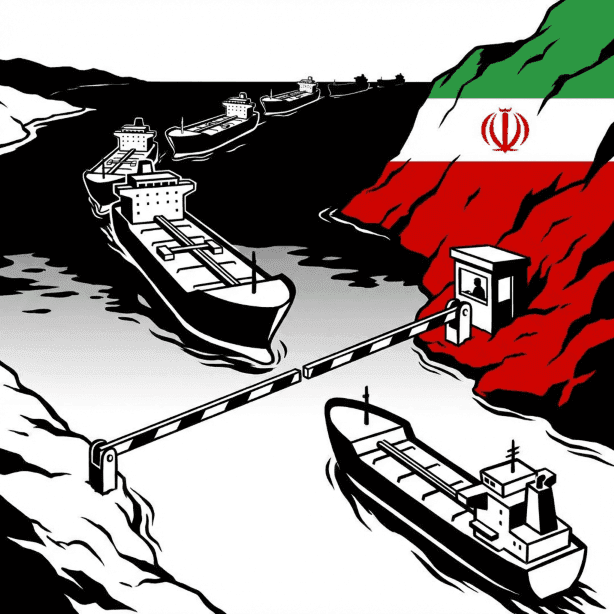
Iran Toll Booth
Is the Strait of Hormuz About to Turn Into a Paid Passage?
4/9/20264/10/2026

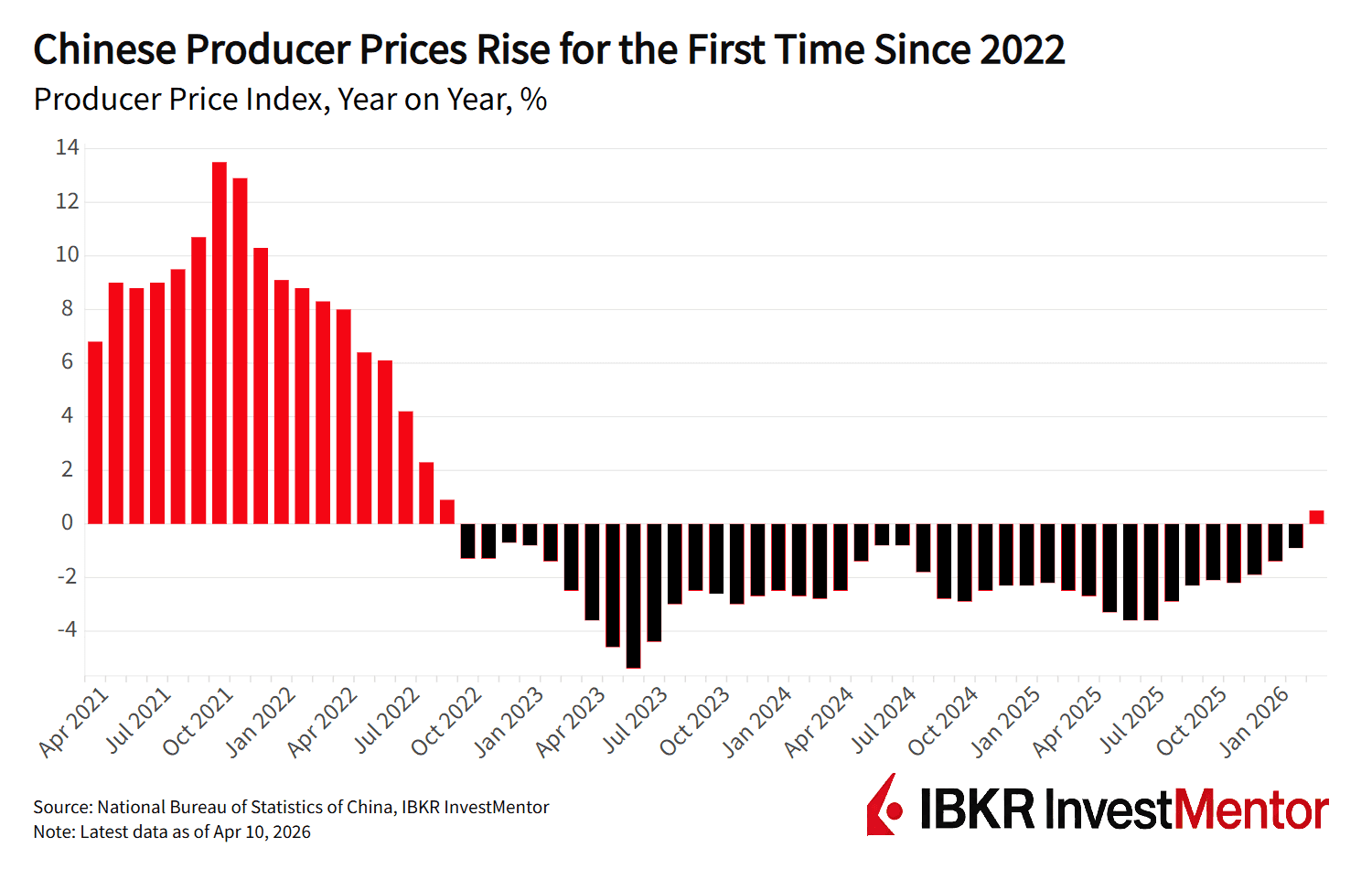
China’s producer prices rose 0.5% year‑on‑year in March, the first increase in more than three years. That ends a long deflation spell driven by excess capacity and aggressive price‑cutting across industries.
Producer prices, also known as factory-gate prices, are what factories get paid before their goods reach shops or customers. This is why producer prices are an early sign of rising or falling costs in the economy. When prices rise in China, the world’s largest manufacturer, it may signal that inflation pressures are spreading beyond energy markets.
Economists point to one main trigger: the oil shock linked to the Iran war.
Slowly rising prices after a long period of deflation is usually considered healthy. But this move is driven by higher costs, not stronger demand.
Energy‑intensive sectors saw the sharpest increases as the supply shock fed into metals, chemicals, and manufacturing inputs.
It’s not just the oil market that the Iran war and the effective closure of the Strait of Hormuz have disrupted. Many other resources are now in short supply, too, including sulfuric acid, which is crucial for metal extraction.
Chinese policymakers often talk about “involution.” It’s a local term for destructive competition, where firms slash prices just to survive, even if no one makes money.
The anti‑involution campaign aims to curb excess capacity, discourage price wars, and stabilize profits. On paper, rising producer prices should be a sign that the campaign has been successful.
But if the inflation is imported through a global energy shock, the data becomes scrambled, and it’s much harder for Beijing to make sound policy decisions.

China imports around 70% of its oil consumption, so higher prices quickly show up in factory costs.
The oil shortage is no longer theoretical. Crude for immediate delivery from the North Sea, for example, has surged. Forties Blend, a spot price benchmark, hit nearly $147 a barrel on Thursday, far above Brent futures around $97. That gap reflects refiners scrambling for barrels they can secure now, not later.
The two-week ceasefire was supposed to reopen the Strait of Hormuz, but the traffic remains well below 10% of normal levels. The ceasefire itself has been shaky, at best. The Gulf states have also suffered long-term damage to their oil facilities, adding to inflation pressures globally.
Want to explore more? Download our free app to unlock expert news updates and interactive lessons about the financial world.