Markets
World-Record IPO
SpaceX to Take a Giant Leap to Public Markets
5/21/20265/26/2026
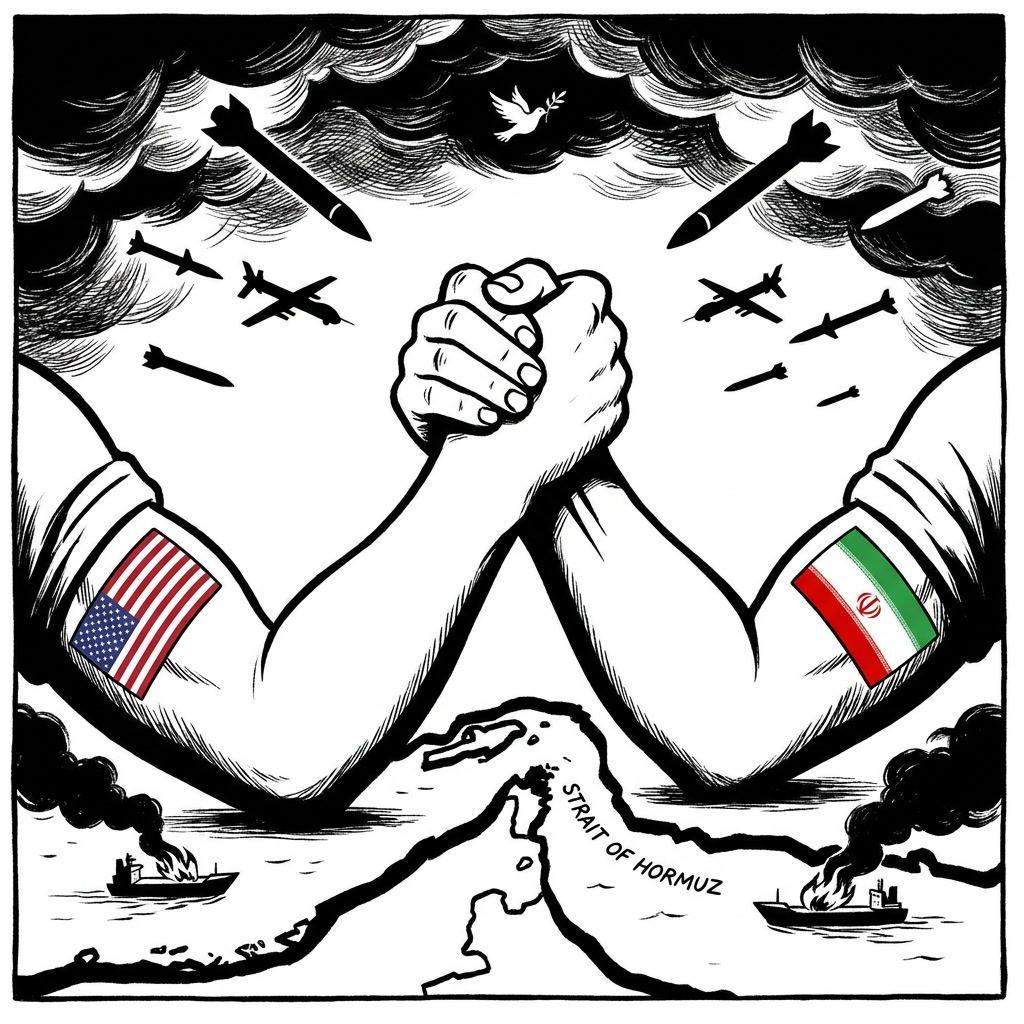
A fragile ceasefire is holding on paper, but not on the ground. Iran is accusing the US of "gross violation" after the US conducted strikes to on missile launch sites and mine-laying boats.
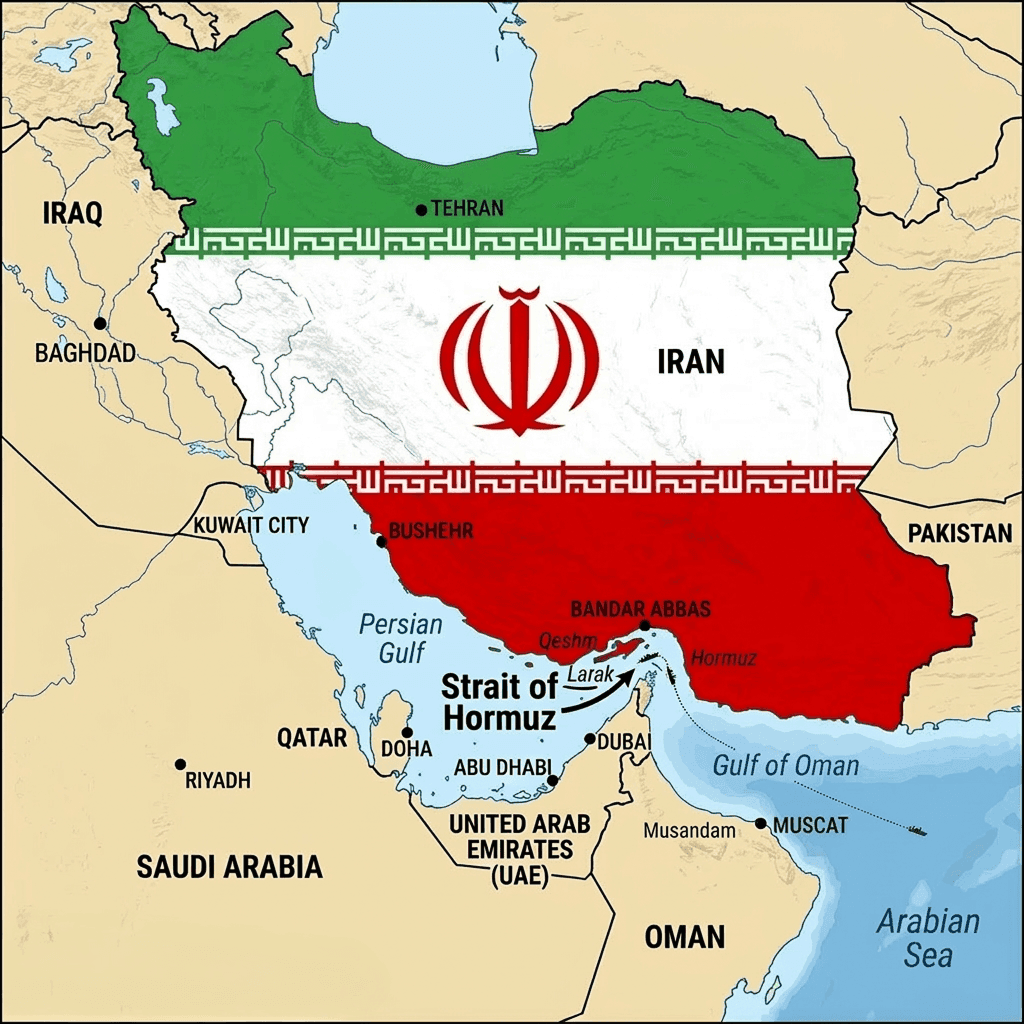
Both sides have signaled progress on peace talks, potentially being days away from a deal to give negotiators 60 extra days to iron out details on Iran’s nuclear and missile programs, sanctions, frozen funds, and the funding of militant groups. The deal is supposed to open the Strait of Hormuz, a critical shipping route, with Iran clearing the mines and pledging not to charge tolls.
But it’s still uncertain whether the parties will be able to come to an agreement. The US-ally Israel said it would intensify strikes on Iran-backed Hezbollah in Lebanon.
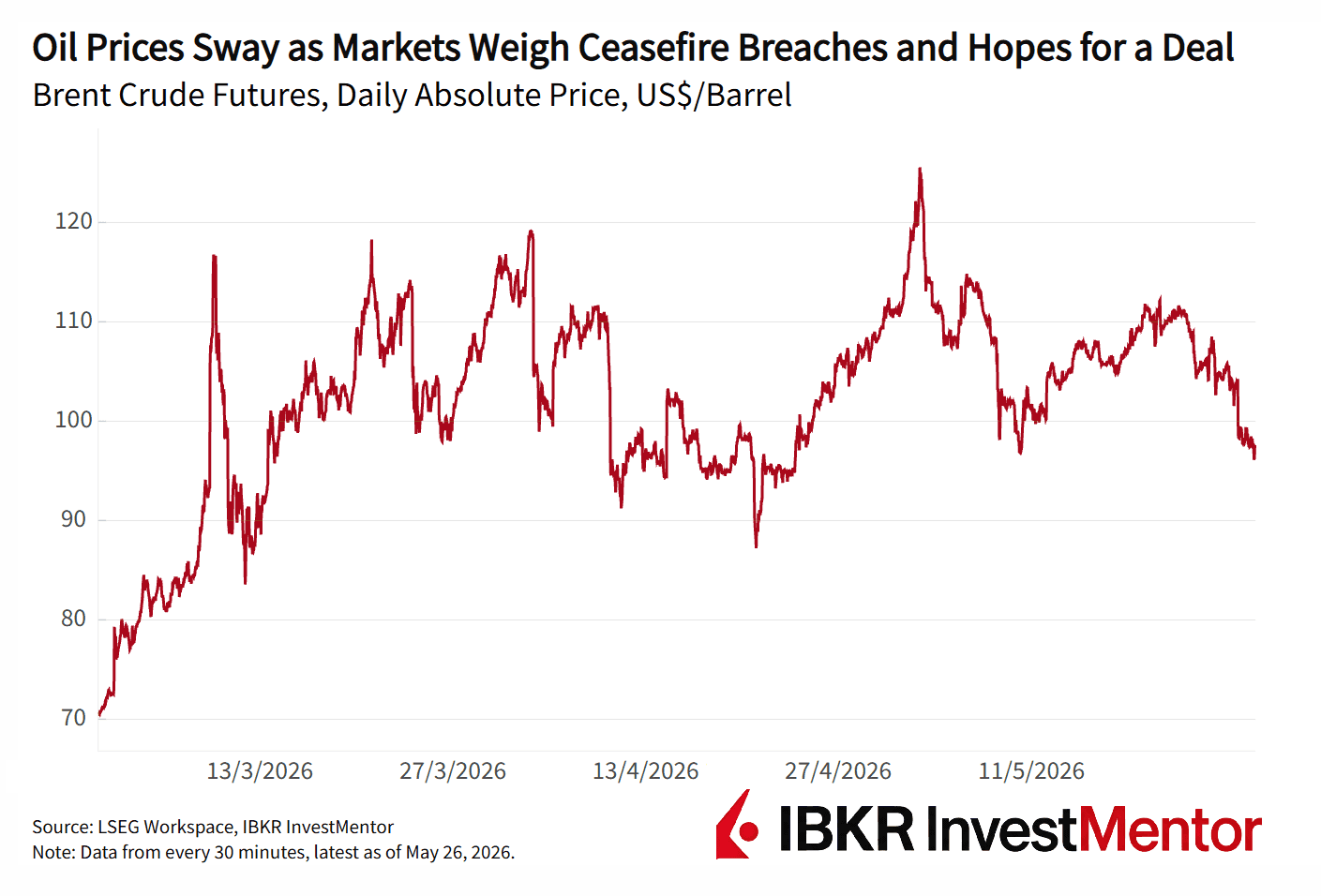
The most critical question for markets and economies around the world is when will the Strait of Hormuz open. Around 20% of the world’s oil and gas normally flows through this narrow passage.
Less supply means higher prices for fuel, shipping, and energy bills worldwide. According to the International Energy Agency, this is the worst oil shock on record. Around 2,000 vessels remain stuck in the Persian Gulf, with 20,000 seafarers on them.
Oil and gas production in the Persian Gulf creates by-products that are hugely important to the global economy. This is why a surprising range of industries is hit by the war.
When gasoline, electricity, and food costs rise, those increases spread through the economy.
Before the war, inflation was coming down in many wealthy countries, with central banks cutting rates. Now they’re staying put and even considering rate hikes. Inflation is already back at three percent in the Eurozone and approaching four percent in the US. This is well above the around 2 percent mark that the European Central Bank and the US Fed target.
The UK stands out, with government borrowing costs at their highest since 1998, already before a political crisis further fueled the bond sell-off.
Modern warfare is expensive. The latest Pentagon figures from mid-May put the cost of the Iran War, since the start on Feb 28, at $29 billion. These include only direct American operational costs, not the impact on the economy or even the damage to the US military bases in the Middle East.
The White House is also seeking an unprecedented 42% increase in the 2027 defense budget. The additional $445 billion would bring the total to $1.5 trillion.
And the US is only one party in this war. The damage in the Gulf region is enormous. Rystad Energy, a Norwegian intelligence company, estimated in April that repair costs for energy-linked infrastructure alone would hit $58 billion.
Want to explore more? Download our free app to unlock expert news updates and interactive lessons about the financial world.