
Tech
Anthropic IPO
Record Listing Shows There’s Still Life Left in the AI Boom
11/19/2026
11/23/2026
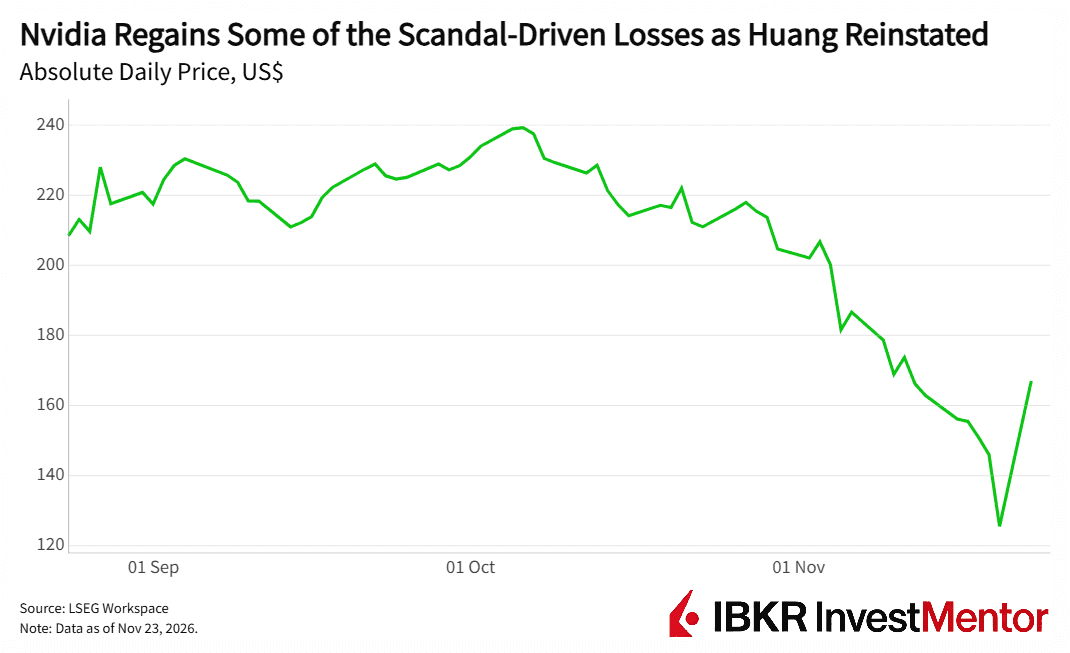
Nvidia has reinstated co-founder Jensen Huang as CEO, less than two weeks after he resigned amid revelations about multiple extramarital affairs, including one with a woman US intelligence reportedly suspects of spying for China.
Nvidia shares jumped more than 30%, adding around a trillion dollars to its market value in a single day.
That rally needs some perspective: Before Monday, Nvidia had lost more than $2.5 trillion or about 47% from its October record high as the sex scandal, investigations into Nvidia’s chip exports to China, and uncertainty over its leadership hammered the stock amid general worries of an AI bubble. Many investors welcomed his return, but a lot of questions remain unanswered as reputational and legal risks linger.
Huang commands unusual loyalty. More than 200,000 people signed a Stand With Jensen petition calling for his return, including Elon Musk and some other Silicon Valley figures.
But the crucial support came from Washington. US President Donald Trump publicly supported Huang. Nvidia's board also stated in a press release on Monday that it received “input from senior levels of the United States government” before deciding that Huang’s return “poses no national security risk”. The board then voted unanimously to reinstate him.
That is quite a turnaround. Less than a week earlier, Nvidia’s chair Harvey Jones clearly stated that the board did will not rehire Huang.
Huang returns but with a dark shadow hanging over him. Nvidia says its own investigation will continue to its conclusion, examining reports that Huang was targeted by a foreign intelligence operation. The company is also cooperating with ongoing government investigations and inquiries. Democrat-led US Congress will take over next year, potentially increasing the pressure on the company.
Huang is returning to a somewhat different Nvidia:
Huang’s comeback in the middle of ongoing investigations raises a question: Can a founder and star CEO do no wrong as long as investors think they are indispensable? Before the scandal, Huang famously had over 60 direct reports and no succession plan.
He has been accused of three affairs involving two subordinates and one client — the latter the suspected Chinese spy. Separately, The New York Times reported decades of alleged, highly graphic threats and public humiliation of Nvidia staff. Similar allegations have been made by Stephen Witt in Huang’s biography back in 2025.
Usually, a single undisclosed relationship with a subordinate is enough to take down CEOs at global companies. Bernard Looney of BP and Laurent Freixe of Nestlé are recent examples of this. Huang’s case sets a new precedent in corporate governance.
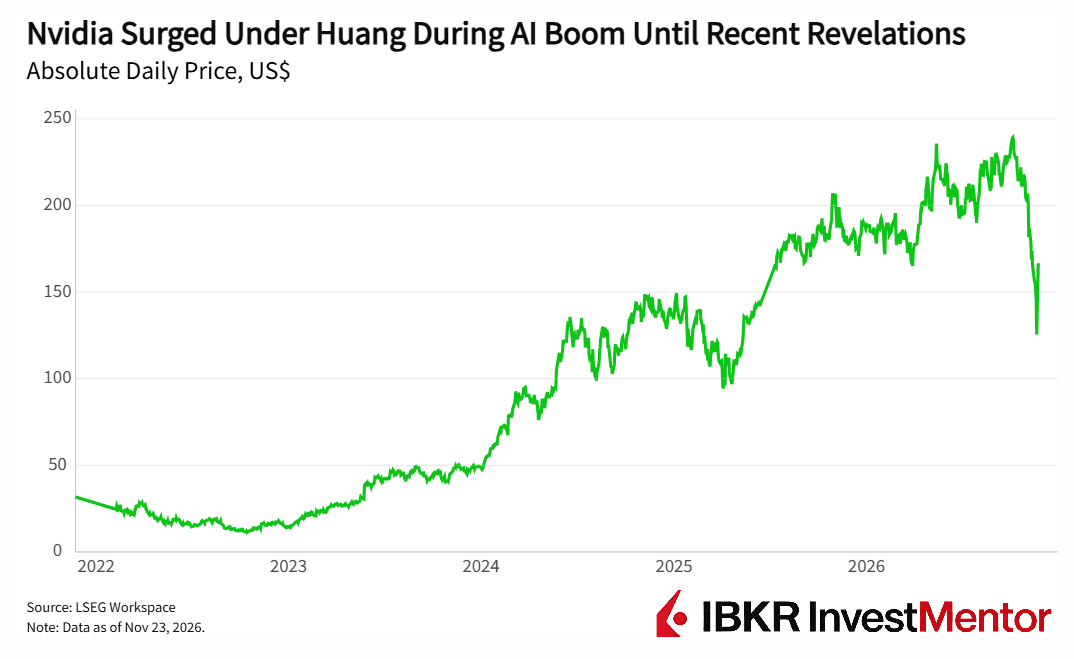
Huang helped turn a gaming-chip company into the dominant supplier of AI processors and remains deeply involved in its technology, customers and government relationships. His return keeps this strategic expertise within Nvidia, but investors still have plenty to weigh:
Huang made Nvidia into the world’s most valuable company, creating massive value to shareholders, but he also destroyed much of it in a matter of couple weeks. Investors have to decide how much of that uncertainty, and the volatility that comes with it, they are willing to accept.