Tech
The Huang-Over
Nvidia’s Crisis Heats up America–China Tech Rivalry
11/17/2026
11/19/2026

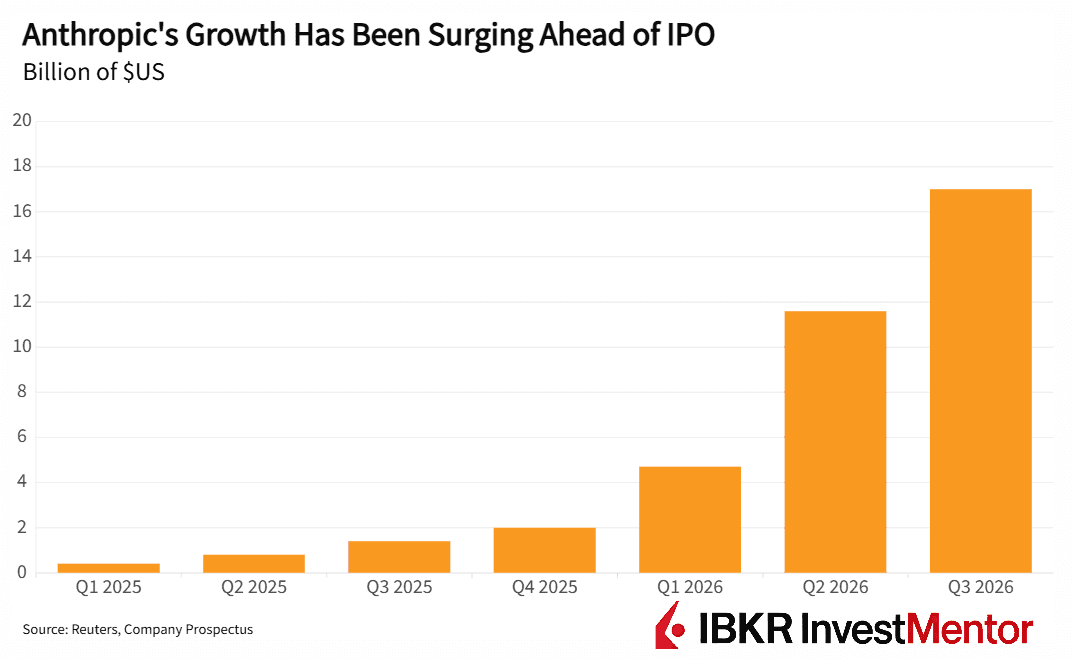
Claude-maker Anthropic started trading on Nasdaq stock exchange on Thursday after pulling off the largest initial public offering ever. Stocks under the ticker ANT shot up 34% after they started trading in New York.
The company sold 980 million shares at $83 each, raising $81.3 billion and valuing the five-year-old company at roughly $1.5 trillion. Anthropic is the first publicly traded firm dedicated to building frontier AI models.
Demand was so strong that Anthropic increased the number of shares on offer and priced them above its original $70-$78 range.
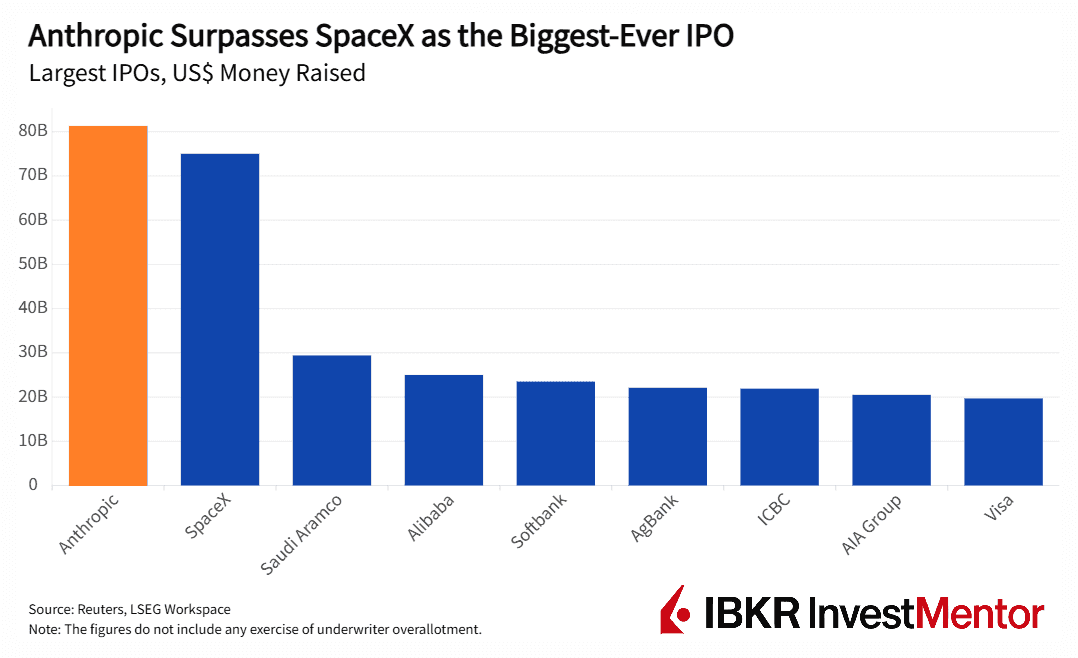
Anthropic has surpassed the world record for the biggest IPO set only months ago by Elon Musk’s rocket-satellite-AI conglomerate SpaceX.
AI stocks have spent weeks getting hammered as investors question the debt and enormous spending required on data centers and AI chips to feed the boom.
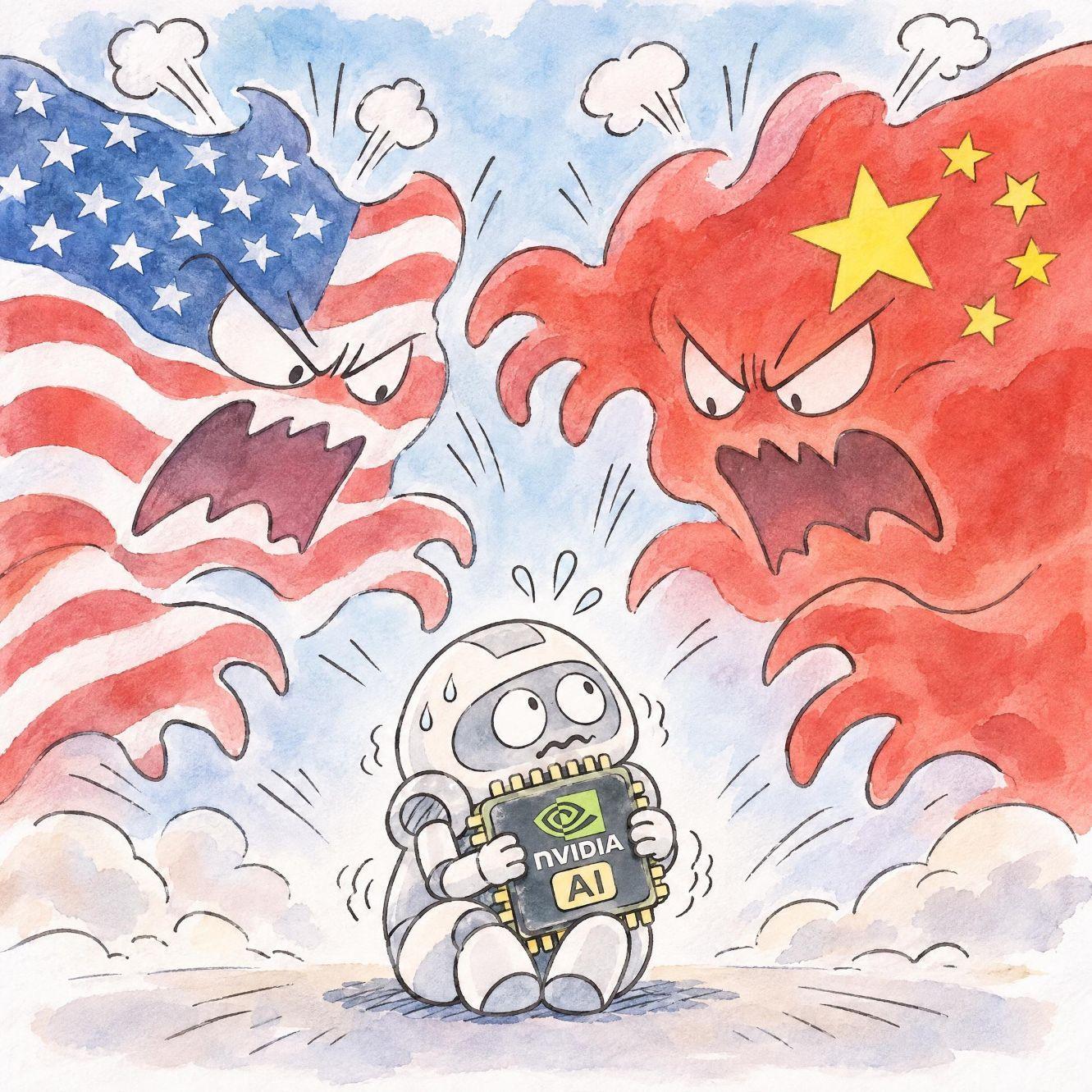
In early November, tech-heavy Nasdaq Composite index entered a correction after falling more than 10% from its October 6 record, while AI chipmaker Nvidia was shaken by CEO Jensen Huang’s resignation following allegations involving an affair with a suspected Chinese spy.
Anthropic’s IPO also follows the US midterm election in which the Democrats took both the houses of the Congress, increasing the chances of tighter data center and AI regulation. This IPO was very much a live test of whether the investors are still willing to pour fresh money into AI. It looks like, for now, they do.
Dario Amodei-led Anthropic has beaten its greatest rival to Wall Street to gain the first-mover advantage. ChatGPT-maker OpenAI is now reportedly eyeing for a 2027 listing, which means Anthropic will be the benchmark it will be compared against. Investors and OpenAI executives will monitor how Anthropic performs in the coming months.
Sam Altman’s OpenAI was originally racing ahead in its IPO plans but delayed the listing. It is attempting to raise $30 billion from the private markets first, according to the Financial Times. It has reportedly trimmed down its valuation target to $1.25 trillion from $1.4 trillion.
That would still be more than 40% larger than its valuation at the previous funding round in March.