Consumers
Football Economy
The World Cup Is Football’s Big Money Machine
6/8/2026
6/10/2026
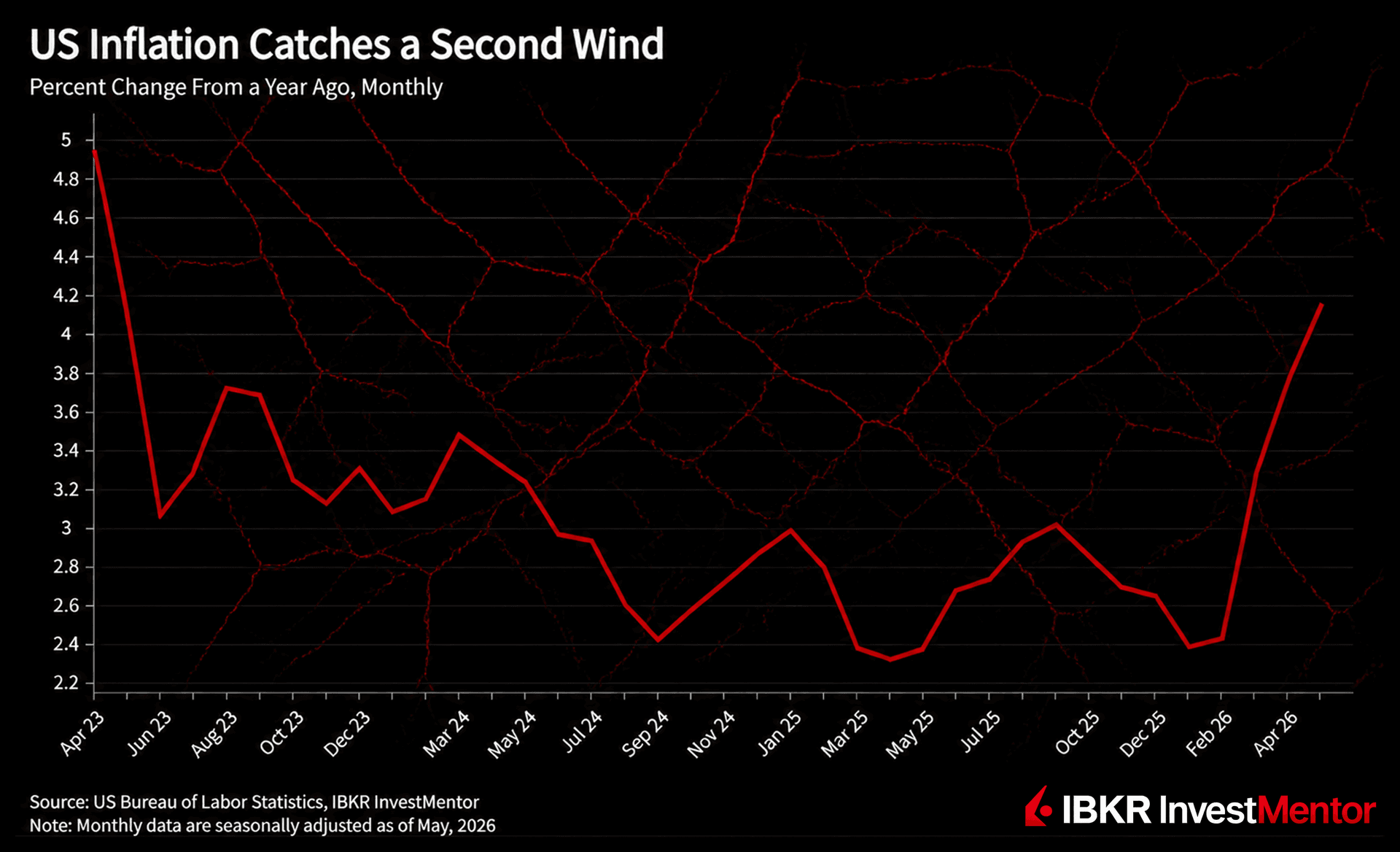
The latest Consumer Price Index (CPI) shows inflation heating up in the US again. Prices rose 0.5% in May from April on a seasonally adjusted basis, while the annual inflation rate climbed to 4.2%, the fastest pace in three years. The numbers were in line with economists’ expectations. Core inflation, which strips out food and energy, rose a milder 0.2% in May and 2.9% over the past year. That matters because though the headline number got hotter, the underlying picture was a bit tamer as most of May’s jump came from rising energy prices.
This was not a broad inflation surge across every category. The biggest story was energy.
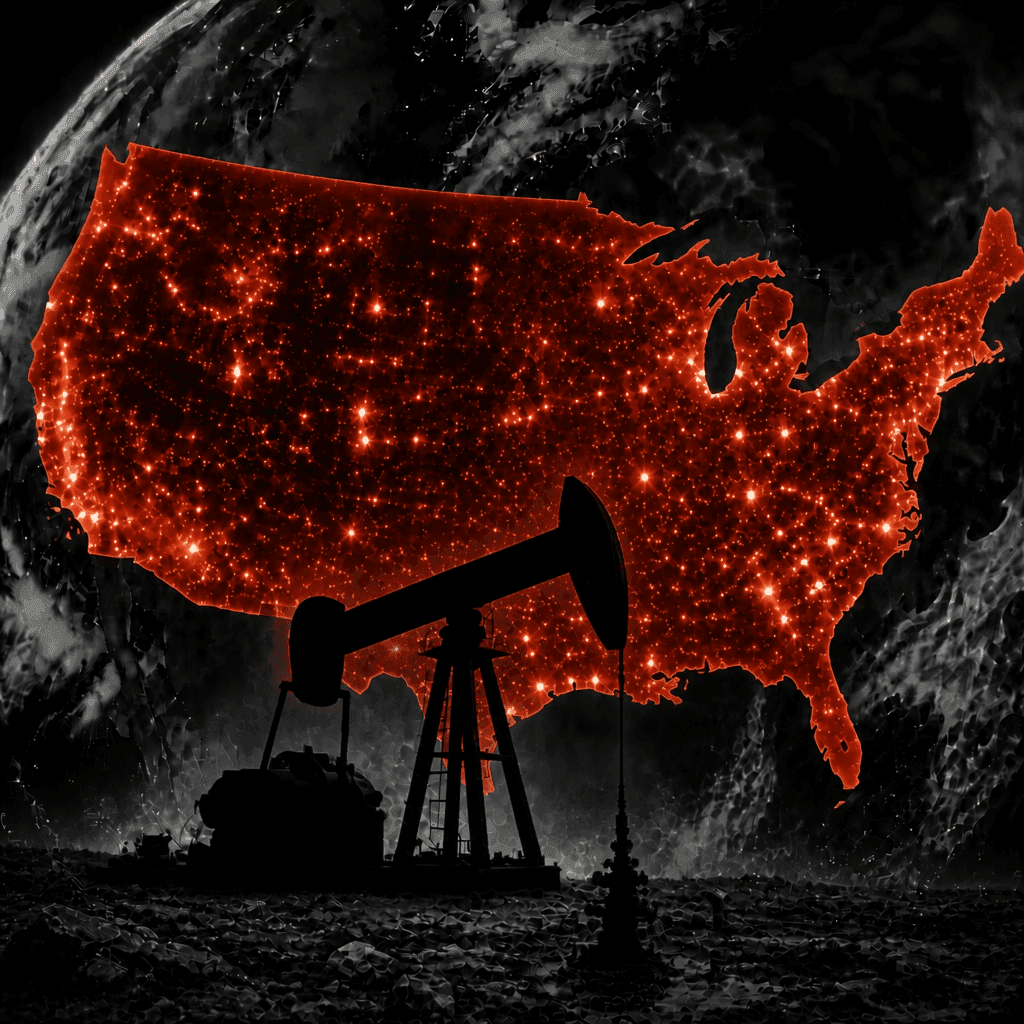
Prices at the pump jumped in May, and energy accounted for more than 60% of the monthly increase in US inflation. As the war with Iran has dragged on, pressure on oil markets has driven fuel costs higher and added a geopolitical edge to what might otherwise have looked like a routine inflation report.
Grocery inflation stayed relatively contained, but eating out kept getting more expensive. That is how these shocks tend to spread. They often start with fuel, then work their way into transport, deliveries, and everyday spending.
This is an awkward first big test for new Fed Chair Kevin Warsh. The latest consumer price report was driven heavily by energy, but that is not the whole story. Housing costs are still rising, healthcare is getting pricier, and flights are more expensive. The oil shock may have been the trigger, but price pressures are now building in parts of the economy where inflation is harder to bring down.
That leaves the Fed with an uncomfortable choice. If this is just a war-driven energy spike, policymakers may want to wait it out. But if higher fuel costs continue feeding into rents, services, and other everyday expenses, inflation could prove stickier.
So far, gasoline has driven the spike in inflation, but the pressure may not stay contained. When fuel gets more expensive, shipping costs rise, travel gets pricier, and businesses often pay more to get products onto shelves.
This could only be the beginning as the shock moves beyond the pump and starts to affect everyday spending more broadly. For now, inflation outside food and energy is much lower than the headline number. But if the war with Iran drags on and oil prices remain elevated, higher fuel costs could spill into other categories.