
Markets
Stuck in Line
Investors Line Up to Withdraw From Private Credit
6/4/2026
6/8/2026
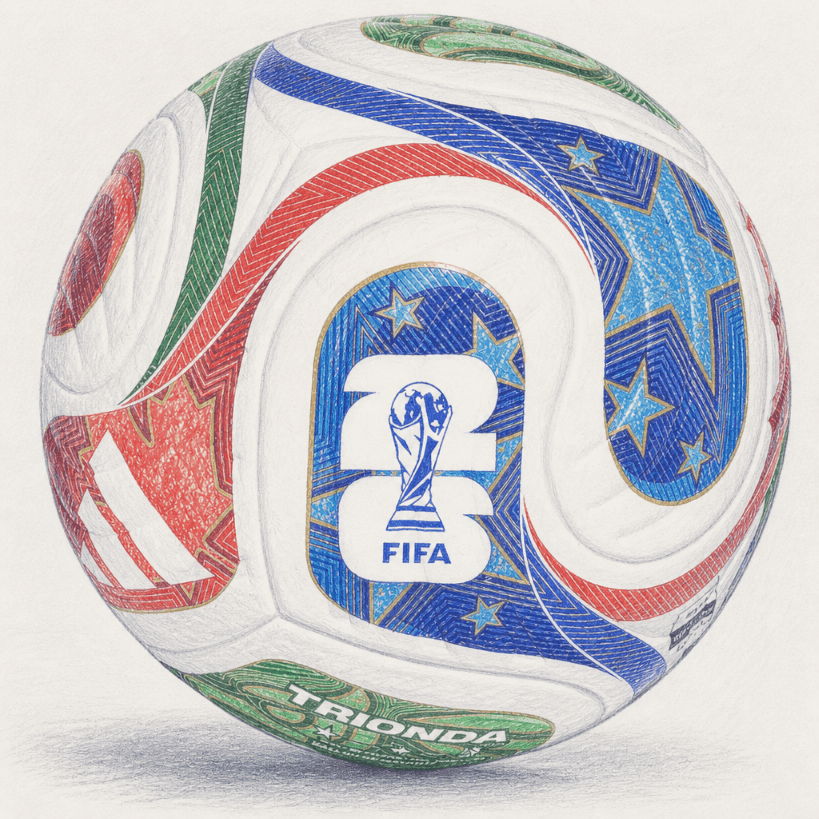
For 39 days, 48 teams and 104 matches will stretch across the US, Canada, and Mexico in the largest-ever edition of the men's Fifa World Cup.
What happens inside the 16 football (or soccer, if you're American) stadiums is only half the story. Hotels fill up, public transit systems heave under strain, ad slots sell out, TV streaming spikes, local businesses hope for a surge. For a short window, entire cities live and breathe a single event.
Football-governing body Fifa runs the global machine, selling media, sponsorship, and tickets. Host cities handle the logistics, crowds, and costs. This spectacle should add $40.9 billion to the world economy, Fifa estimates.
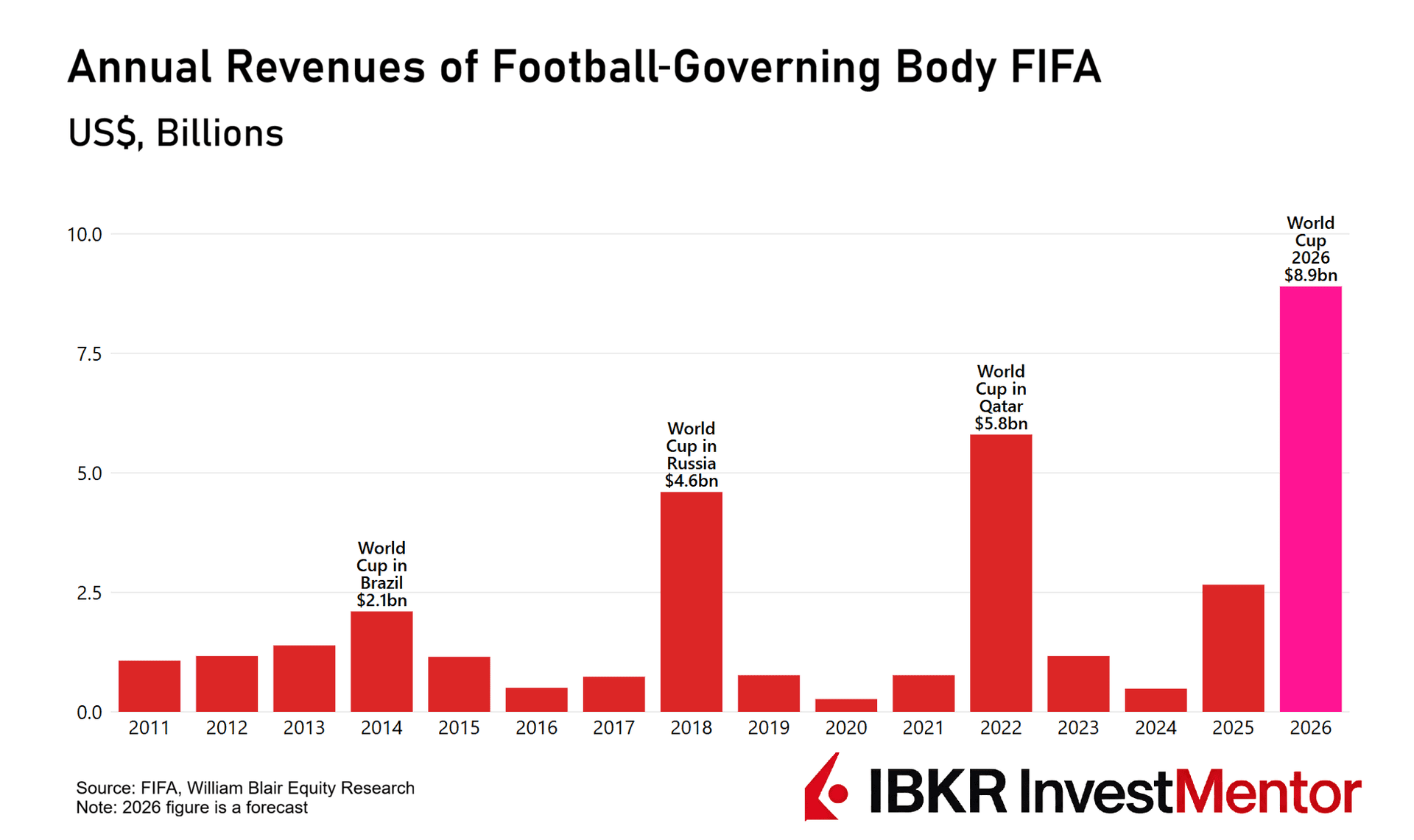
World Cups happen every four years, so getting to host one seems like a lottery win. Fifa expects a $30.5 billion economic boost to the host countries. But it’s Fifa who gets the ticket sales. The new dynamic pricing has resulted in record prices, with many early tournament tickets selling for around a $1,000. For just parking, the average charge is $175.
FIFA demanded a sales tax exemption for ticket sales, leaving the host cities relying on a tourism boost alone. The American Hotel & Lodging Association has flagged that hotel bookings are well below expectation in nearly every US host city, with Canada and Mexico outpacing all but one American city.
Host cities handle policing, crowd control, public transport, and stadium retrofits. Canada’s Budget Office estimates a price tag of 765 million US dollars. In the US, $625 million in federal funding has already been earmarked just for security.
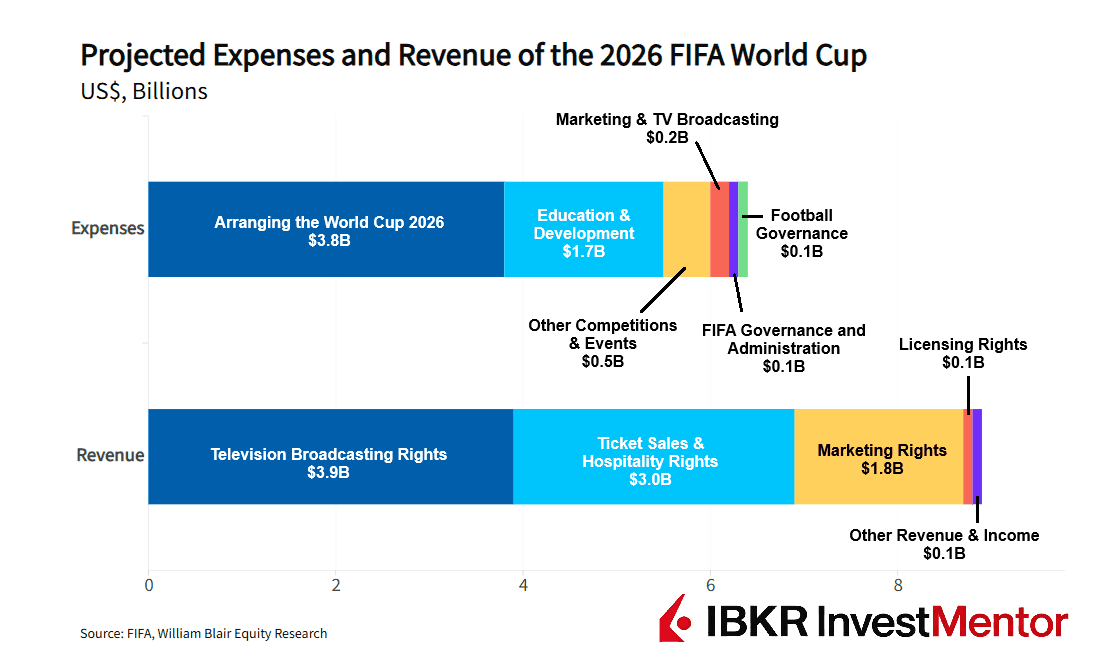
Fifa president Gianni Infantino has described the World Cup as “104 Super Bowls” combined, with 6 billion viewers expected across the matches. Broadcasting is Fifa’s biggest revenue engine. But how those rights get sold is its own complicated game, depending on the region.
While most Americans may still call football “soccer”, the biggest global sport is well on its way for a breakthrough.
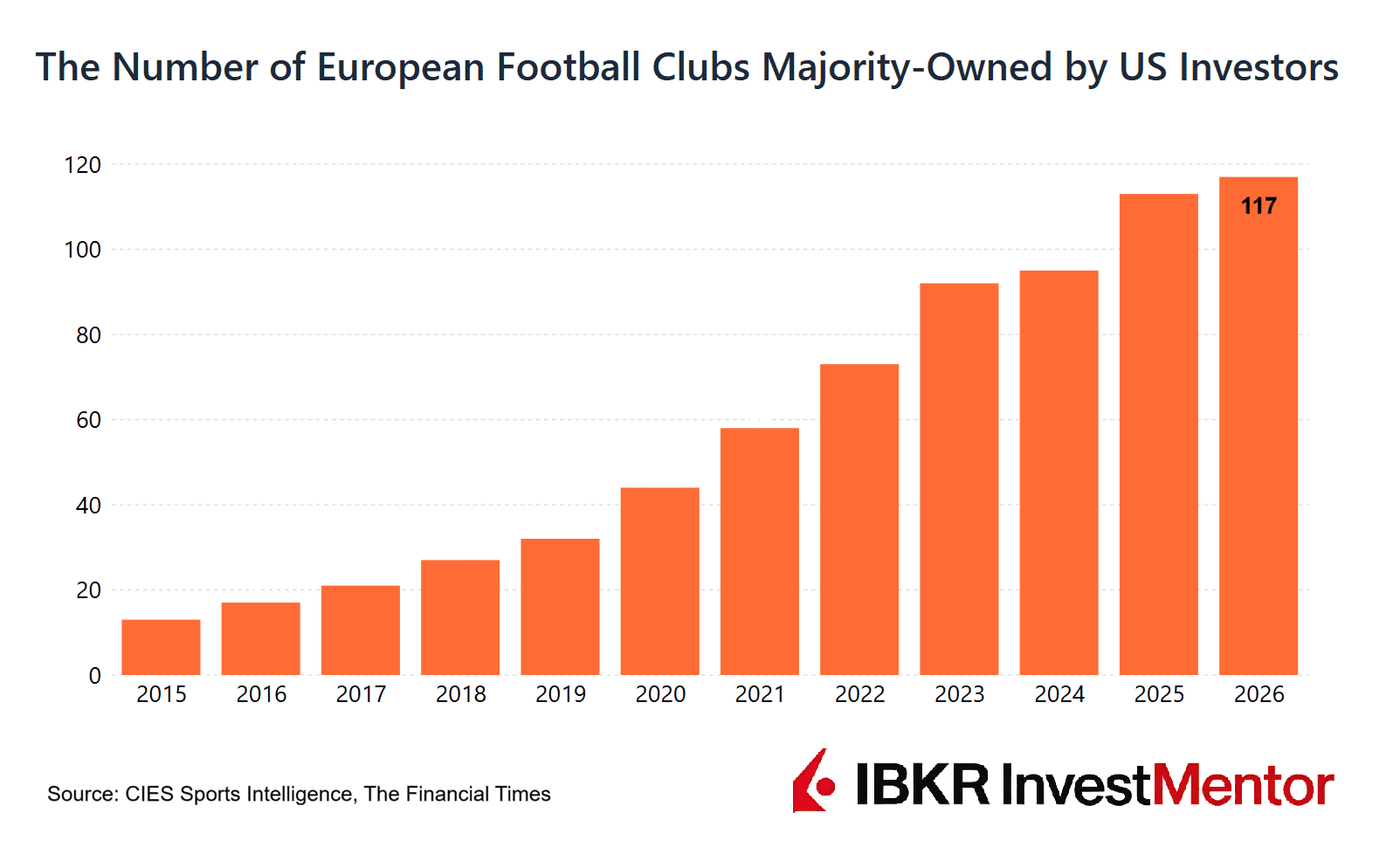
And it’s increasingly the American money that’s shaping the sport abroad, too. 117 professional European teams are now under majority US-ownership, with mixed results in trying to turn a classic sport into a lucrative entertainment spectacle.
The World Cup can move financial markets, but in very specific ways.
Sectors with skin in the game:
Winning countries have outperformed global stock markets by about 5.5% in the month after victory since 1974, according to William Blair Equity Research. But the boost fades within 3 months, and the connection breaks during recessions or crises.