Commodities
Money Under Oil
The Currency Clash Beneath the Oil Trade
1/6/20261/7/2026
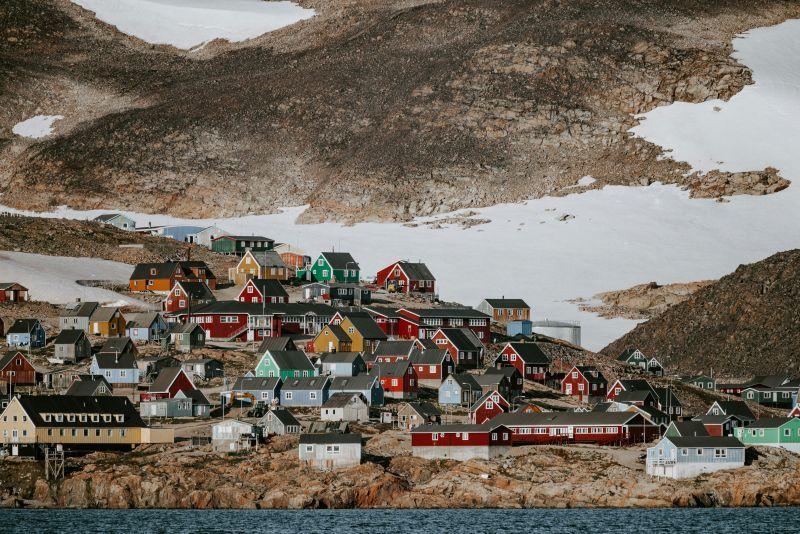
Greenland has surged into global debate as the White House has revived interest in buying the island or even taking it by force from Denmark.
Greenland's strategic Arctic location matters: positioned between North America and Europe, it’s a site for the US ballistic missile defense system and hosts an American military base.
But beneath the geopolitical drama also lies simpler economic motives: Greenland sits on deposits of critical minerals — including rare earth elements, graphite, zinc and iron — used in electronics, defense industry, and clean energy. Meanwhile, climate change is opening up new shipping routes around the island.
Greenland has several large rare‑earth deposits, but most are low‑concentration ores that are costly to extract. Even the most advanced projects are likely at least a decade from production, requiring new ports, processing plants, and transport links.
Ice limits exports, especially in winter, and many sites can only be reached by boat or helicopter. Strict environmental rules and local concerns add further delays. Greenland banned new oil and gas exploration and extraction in 2021.
So, why bother if it’s so difficult? Greenland has at least 25 out of 30 critical raw materials, listed by the EU. Utilizing these may take time, but it’s likely to get easier as the climate warms up and technology advances.
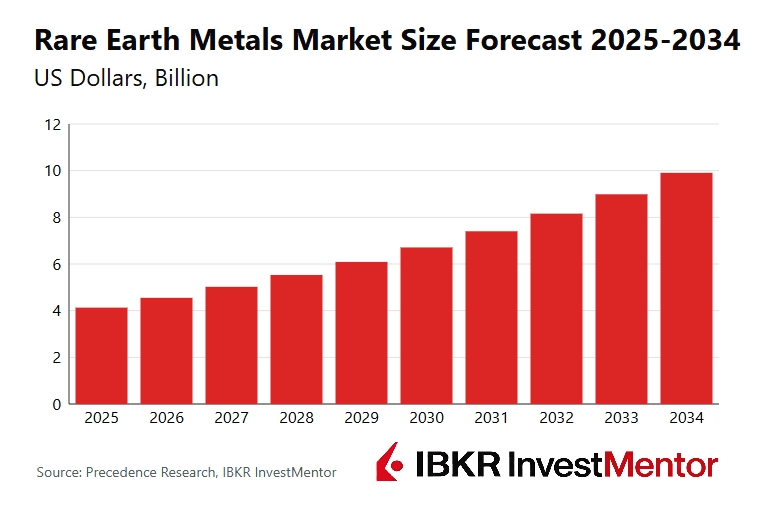
China controls the rare earth supply chain, producing around 60% of global ore and refining 90% of it. This gives Beijing leverage in trade talks and geopolitical disputes, with Japan being the latest to face threats of export restrictions.
New Greenland mines would still likely rely on Chinese refineries for years. That limits near‑term strategic benefit for Washington or its allies. This is why the US, EU, and Japan are investing in new refining capacity.
Greenland fits into long‑term diversification plans. China built its dominance in rare earths over six decades through state planning, domestic research, and foreign acquisitions.
Venezuela also sits on major mineral resources, including gold, bauxite, coltan, and other metals, with analysts pointing to high potential for rare earth deposits as well.
With the recent US operation in Venezuela, arresting and capturing President Nicolás Maduro, the White House has sought greater influence over these resources, in addition to oil.
Just like Greenland, Venezuela could be another source of critical minerals for the US. In practice, political instability, environmental risks, and illegal mining make it difficult for commercial operations to succeed in near term.
Rare earth elements are essential for high-strength magnets, precision sensors, and lightweight alloys, used in everything from EV motors and wind turbines to smartphones, satellites, and missile systems.
“Rare earths” is a misnomer, as they’re relatively abundant in the Earth’s crust but difficult to extract and process.
What makes them tricky? They’re hard to separate, expensive to refine, and often found alongside radioactive materials. That’s why supply chains are fragile and why countries are racing to secure access.
Want to explore more? Download our free app to unlock expert news updates and interactive lessons about the financial world.