Companies
Netflix's Big Bet
Netflix’s Risky Hollywood Play Overshadows Earnings
1/21/20261/22/2026
Ubisoft shocked markets after announcing a sweeping reorganization — shutting down studios, cancelling six games, and delaying seven more.
The French video game giant books a €650 million write-down from the restructuring, and expects to make an operating loss of €1 billion in this fiscal year. It also revealed a debt covenant breach, forcing it to use part of Chinese tech giant Tencent’s one-billion-dollar investment for an early repayment.
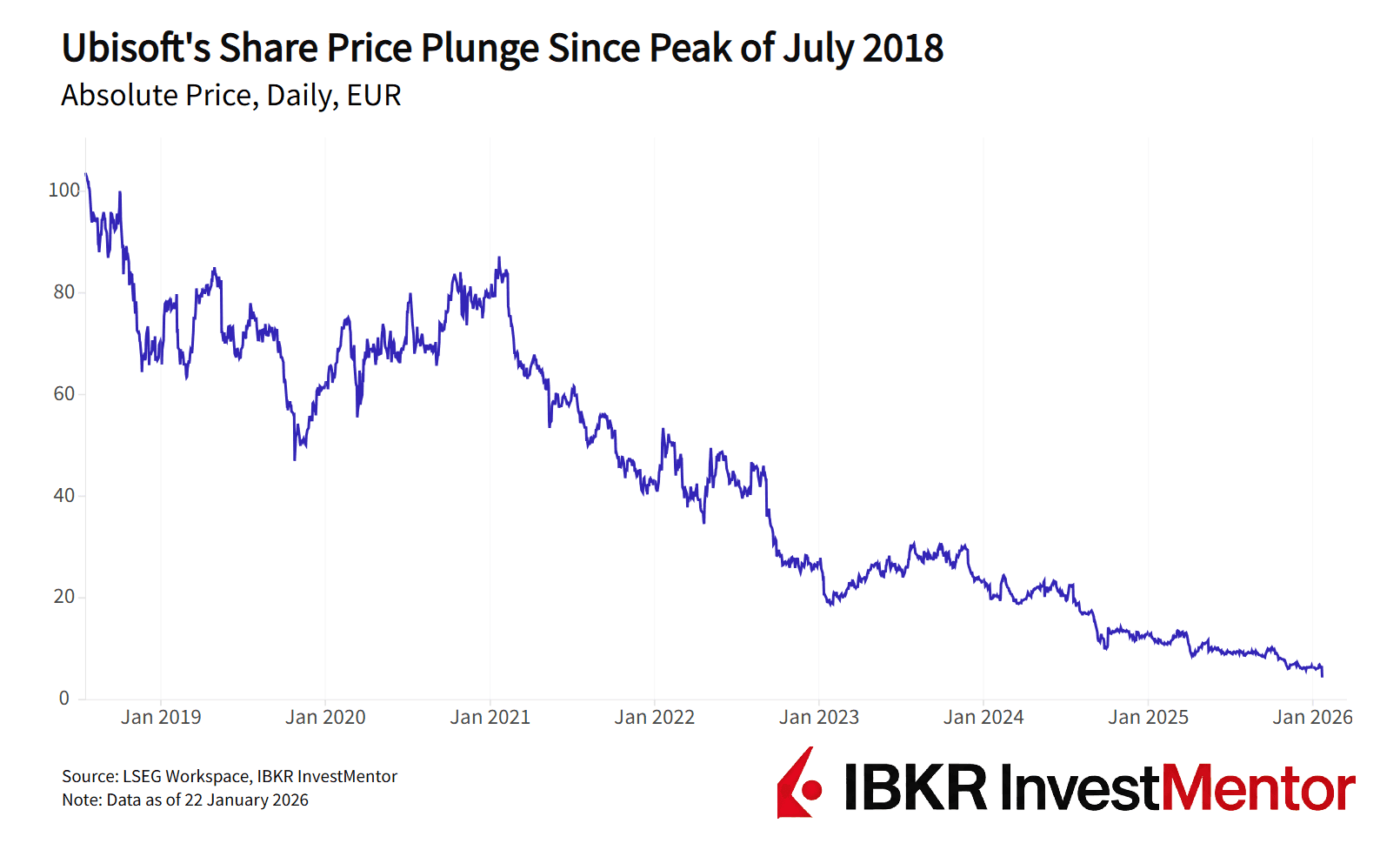
The shares plunged nearly 40%, hitting the lowest level since 2011. Ubisoft has lost over 95% of its value since the share price peaked in 2018.
Ubisoft’s library of well-known game franchises includes Assassin’s Creed, Far Cry, Prince of Persia, Splinter Cell, and Rayman. But some haven’t had relevant new releases in ages, and new franchises have either flopped or been cancelled. The long-awaited Prince of Persia: The Sands of Time remake was among the titles axed by the company.
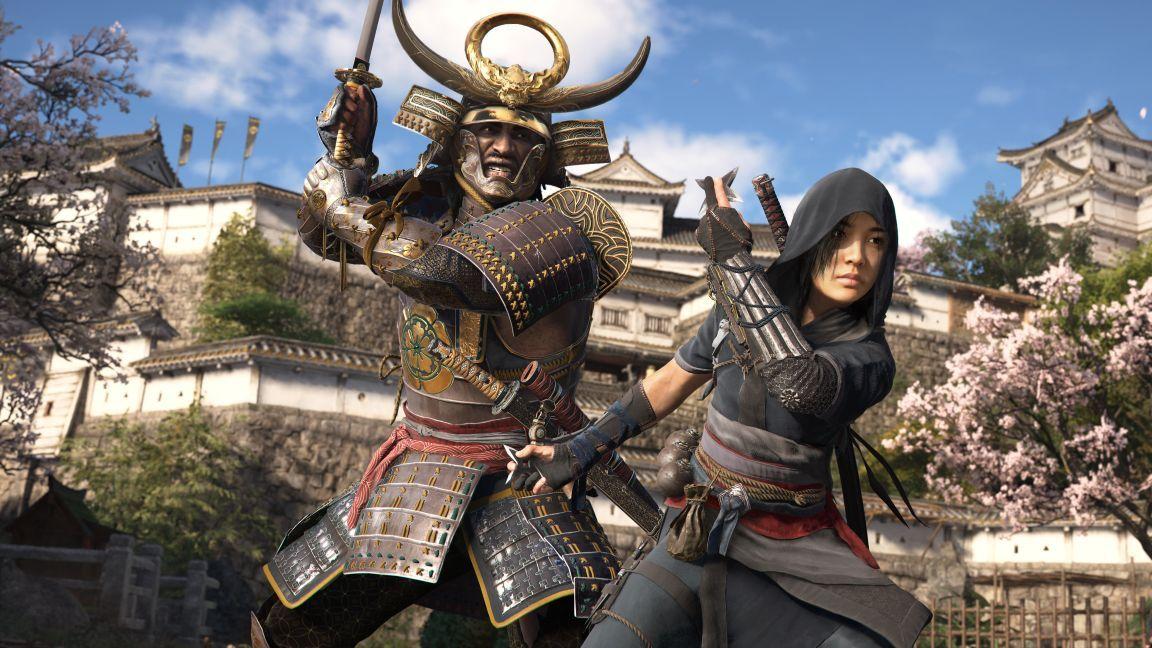
Last year’s Assassin’s Creed Shadows has crossed a respectable 5 million players, but development issues and the huge marketing budget ultimately required a better performance from the flagship title.
The gaming industry is going through one of its harshest contractions in years. Video game stocks skyrocketed during the pandemic lockdowns, but as the boom faded, studios were hit by rising development costs, slower player spending, and fiercer competition.
The result: an estimated 45,000 layoffs across the global games industry in 2022-2025, affecting both small studios and gaming giants like Microsoft, Sony, EA, Riot, Epic, and Unity.
Many developers have shut down entirely, and publishers are cancelling projects to control costs. Ubisoft’s restructuring is part of this much wider industry reset.
The video game industry has also been reshaped by blockbuster deals in recent years. Microsoft’s $69bn Activision Blizzard takeover set the benchmark, and Take‑Two’s $13bn Zynga buy reinforced the trend.
The latest earthquake is still going through regulatory approvals: Electronic Arts agreed to a $55bn acquisition led by Saudi Arabia’s Public Investment Fund, Silver Lake, and Affinity Partners. The deal to take EA private was announced in September 2025.
With industry consolidation accelerating, Ubisoft keeps appearing in M&A discussions, especially around its key investor Tencent. The plummeting share price makes it an easier takeover candidate.
CEO Yves Guillemot calls this overhaul a “big shake‑up” designed to kickstart growth. But challenges remain: investor confidence is low, and debt pressures linger. It’s considering asset sales to help patch finances, but it’s unclear whether there’s anything valuable to sell, apart from its main cash cow Assassin’s Creed.
With market cap now around €500 million, down from €11bn in 2018, Ubisoft must prove its new structure can deliver hits that sell before time runs out. Tencent’s recent one-billion-dollar injection offers some runway, but Ubisoft already had to dip into that piggy bank.
Concerningly, Ubisoft has lost a lot of talent. Last year's sleeper hit and the Game Awards darling Clair Obscur: Expedition 33 was made by a small studio started by Ubisoft veterans.
Want to explore more? Download our free app to unlock expert news updates and interactive lessons about the financial world.