
Commodities
Iran War Redux
Middle East Reignites but Markets Seem Oddly Calm
7/8/20267/9/2026
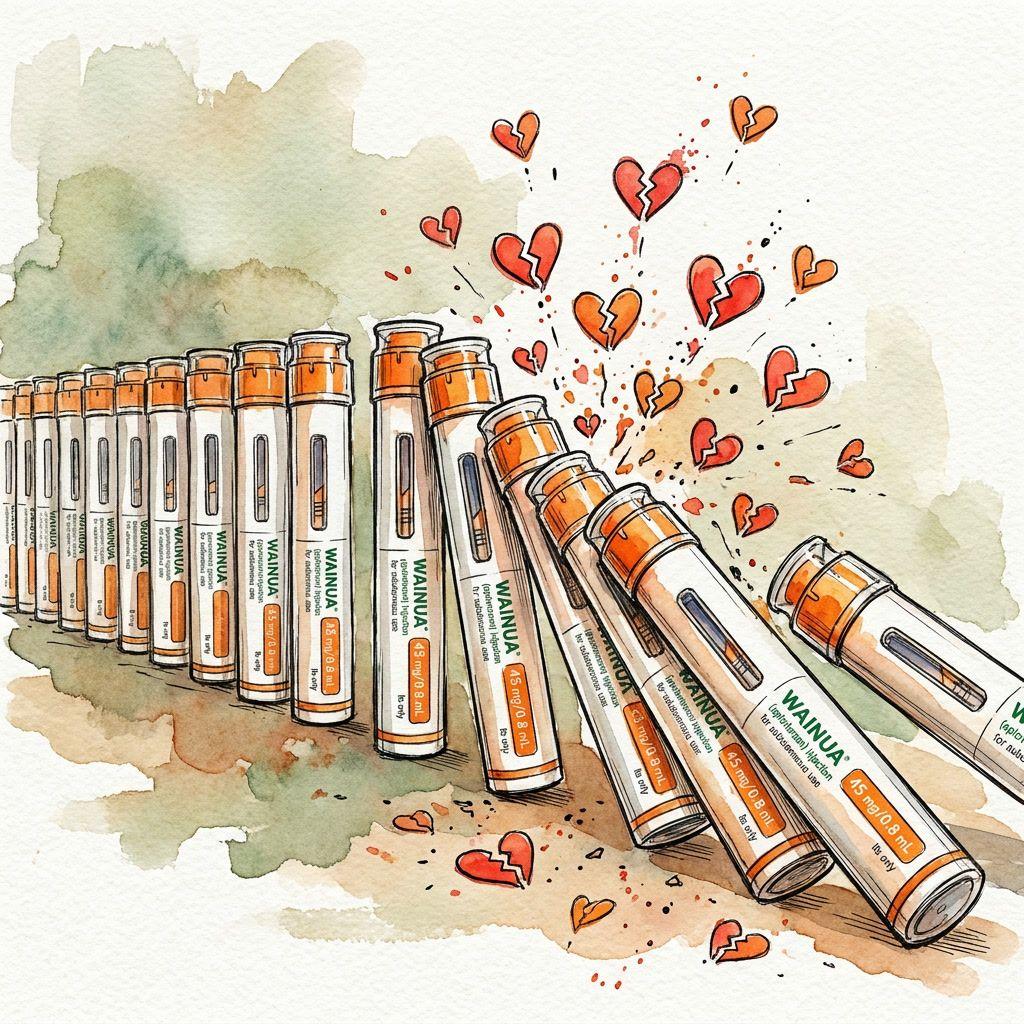
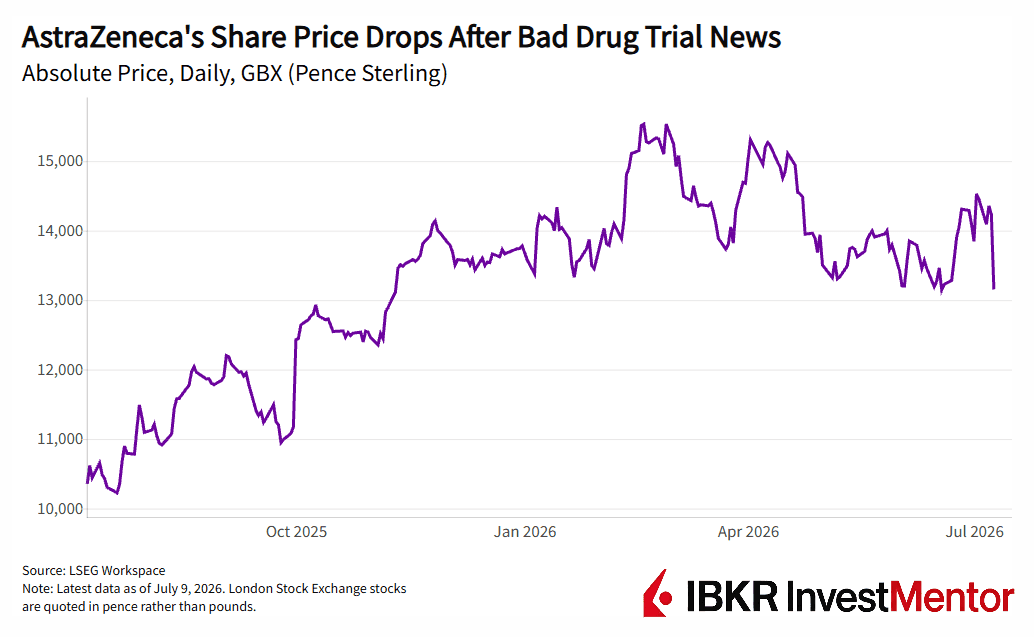
European pharmaceutical giant AstraZeneca fell as much as 9% on Thursday after the company's drug Wainua failed a major late-stage trial for a rare heart disease called ATTR cardiomyopathy.
This demonstrates how tricky the pharma industry is. Wainua's job was to reduce deaths and serious heart-related events. It didn't. Investors had expected success, making the result especially painful. At its lowest point, AstraZeneca lost more than $30 billion in market value.
ATTR cardiomyopathy happens when faulty proteins build up in the heart muscle, making it harder for the heart to pump blood. The disease affects up to half a million people worldwide.
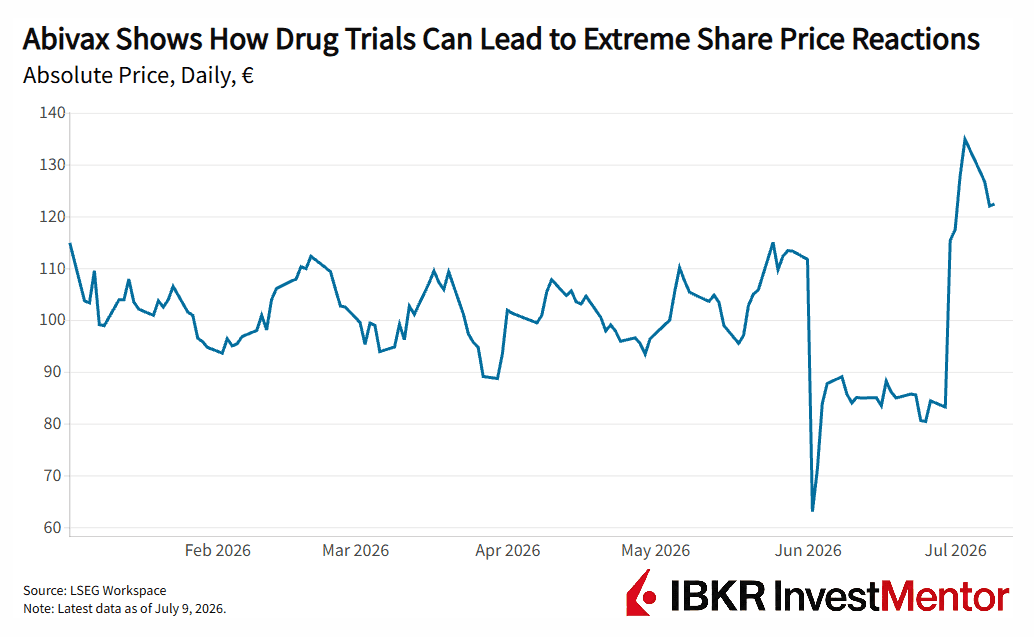
Drug development is one of the most extreme risk-reward businesses on Earth. A company can spend hundreds of millions, sometimes billions, of dollars developing a drug over a decade only to see it fail at the final hurdle.
Analysts thought AstraZeneca's Wainua could eventually generate around $2 billion a year in sales. The same drug is already sold for other conditions, but a success in this trial would have greatly expanded the use case.
Another example of this high-risk-high-reward model came earlier this summer when Abivax, a French biotech firm, saw its shares plunge 44% only to jump back 40% less than a month later. Investors got spooked over cancer cases seen in a trial, but new data showed that malignancies were within normal levels.
Artificial intelligence is the pharma companies' new research assistant and, increasingly, a rival.
Big pharma like AstraZeneca and dozens of biotech startups already use AI to search for promising drug candidates, analyze medical data, and identify new disease targets. AI company Anthropic recently launched Claude Science, a platform designed for researchers. But it wants to go even further and develop drugs by itself, focusing on treatments for neglected diseases.
AI can help scientists identify promising molecules faster, but no AI-designed drug has yet been approved. Other AI-first pharmaceuticals include Insilico and Google DeepMind-spinoff Isomorphic Labs.
AstraZeneca’s drastic drop shows how the healthcare sector hinges on breakthroughs, patents, and execution. Bigger firms can absorb a setback; smaller ones may struggle.
Key factors for pharma investors:
Want to explore more? Download our free app to unlock expert news updates and interactive lessons about the financial world.