
Economy
Wage Watch
The Paycheck Print That Moves Markets
3/9/20263/10/2026
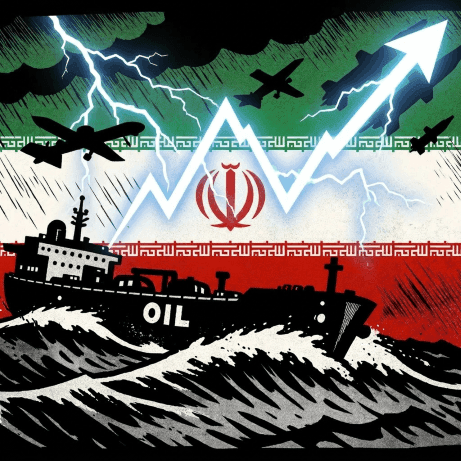
Global markets zigzagged again as war headlines collided with investor hopes.
Four key quotes:
Traders initially seized on that hint of a quick end, reversing Monday’s oil spike and lifting equities worldwide. But the rebound cooled as the strikes continued, and US Defense Secretary Pete Hegseth warned Tuesday would be the “most intense” day of fighting.
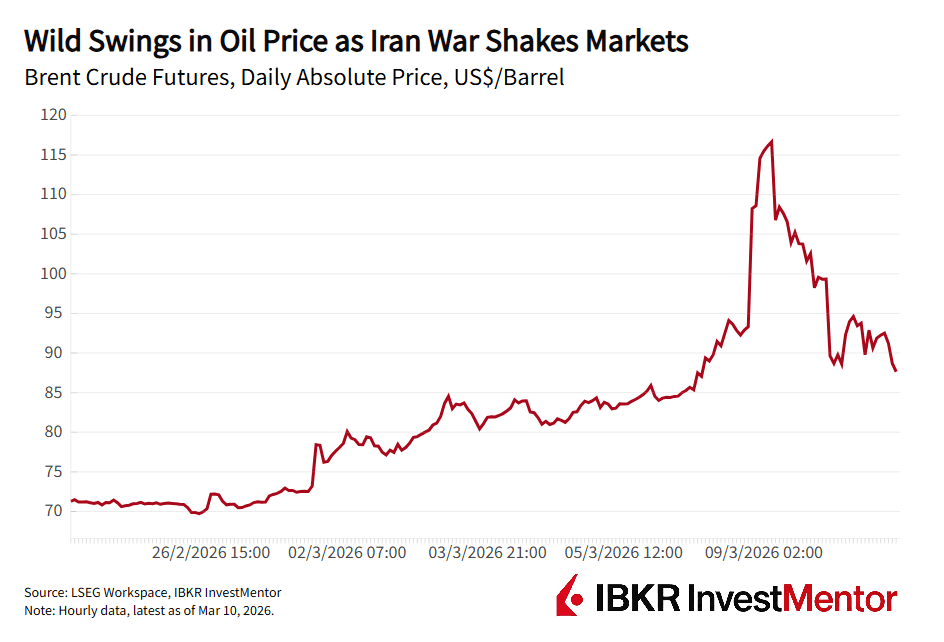
Over the first 10 days of the war, markets have swung between panic and cautious optimism.
Global stocks first sold off sharply, especially in travel, tech, and banking. But the initial shock has dulled. The US stock index S&P 500 is down only 1% since the war started. Even some of the worst-hit markets, like tech-heavy and Gulf-oil-dependent South Korea, are rebounding. Bond yields jumped first on inflation fears, then eased as growth worries returned.
Oil price benchmark Brent crude shot up from around $70 per barrel to above $100, briefly peaking at almost $120 on Monday. On Tuesday, it eased back to about $90 per barrel.
Investors are holding onto hopes of a short war and are also pricing in the use of emergency oil reserves. The International Energy Agency announced on Wednesday that its 32 members would release a record 400 million barrels over the coming months.
Saudi Arabia’s oil giant Aramco says it can reroute about 70% of its exports through the Red Sea, but warns the conflict could have “catastrophic consequences” if it drags on. Several oil facilities have been hit with missiles or drone attacks, and Gulf producers are cutting output as storage fills. Restarting paused production takes time.
US President Trump and Russian President Vladimir Putin held their first call of the year, discussing ways to end the Iran conflict and stabilize energy markets.
Reportedly, Washington is considering easing global sanctions on buying Russian oil. It already gave India a temporary waiver last week. Russian oil is currently under strict sanctions due to its 2022 invasion of Ukraine.
The move could help cap prices but complicate efforts to limit Moscow’s war revenues.
Oil shocks can shift economic power between nations.
Want to explore more? Download our free app to unlock expert news updates and interactive lessons about the financial world.