Politics
Midterms Guide
Americans Head to Polls With Economy as Top Concern
11/2/2026
11/3/2026
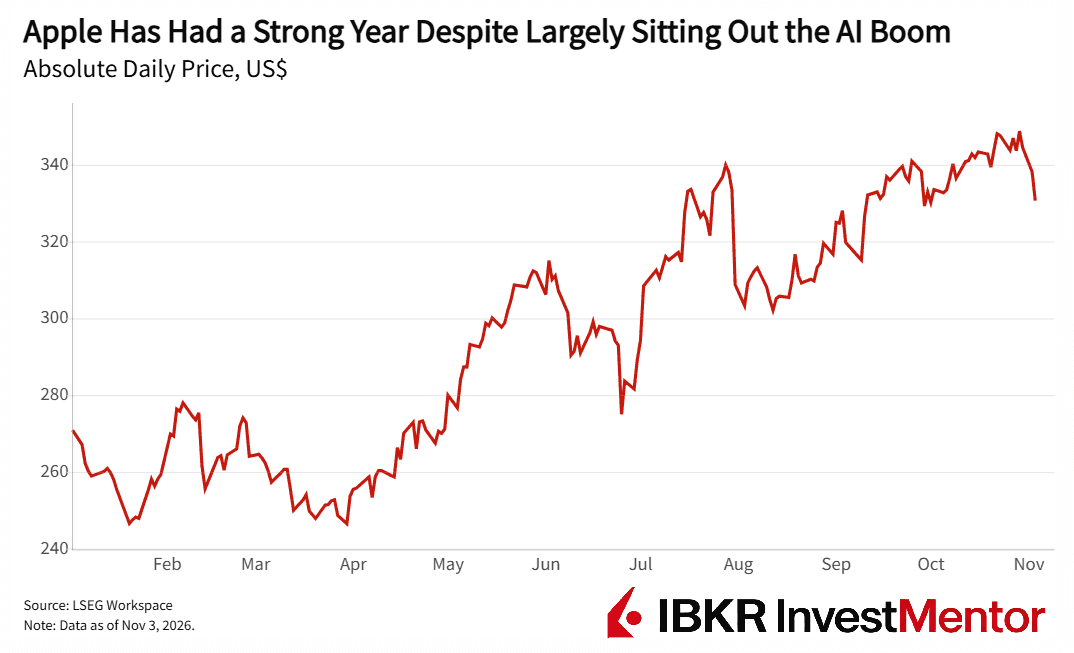
Apple beat Wall Street’s revenue and earnings expectations in John Ternus’ first results as CEO. September-quarter revenue hit a record of $114 billion, up 12% year on year, while iPhone revenue jumped 17%.
But then came the miss. Apple expects its gross margin, the share of sales left after production costs, to fall from 47.9% to 45%-46% this quarter. This was a bigger drop than analysts expected. Apple shares tumbled as much as 4%. Higher memory chip costs are the main culprit, alongside costs from its AI-powered Siri rollout.
“What we’re seeing with memory pricing right now is unprecedented”, Ternus warned.
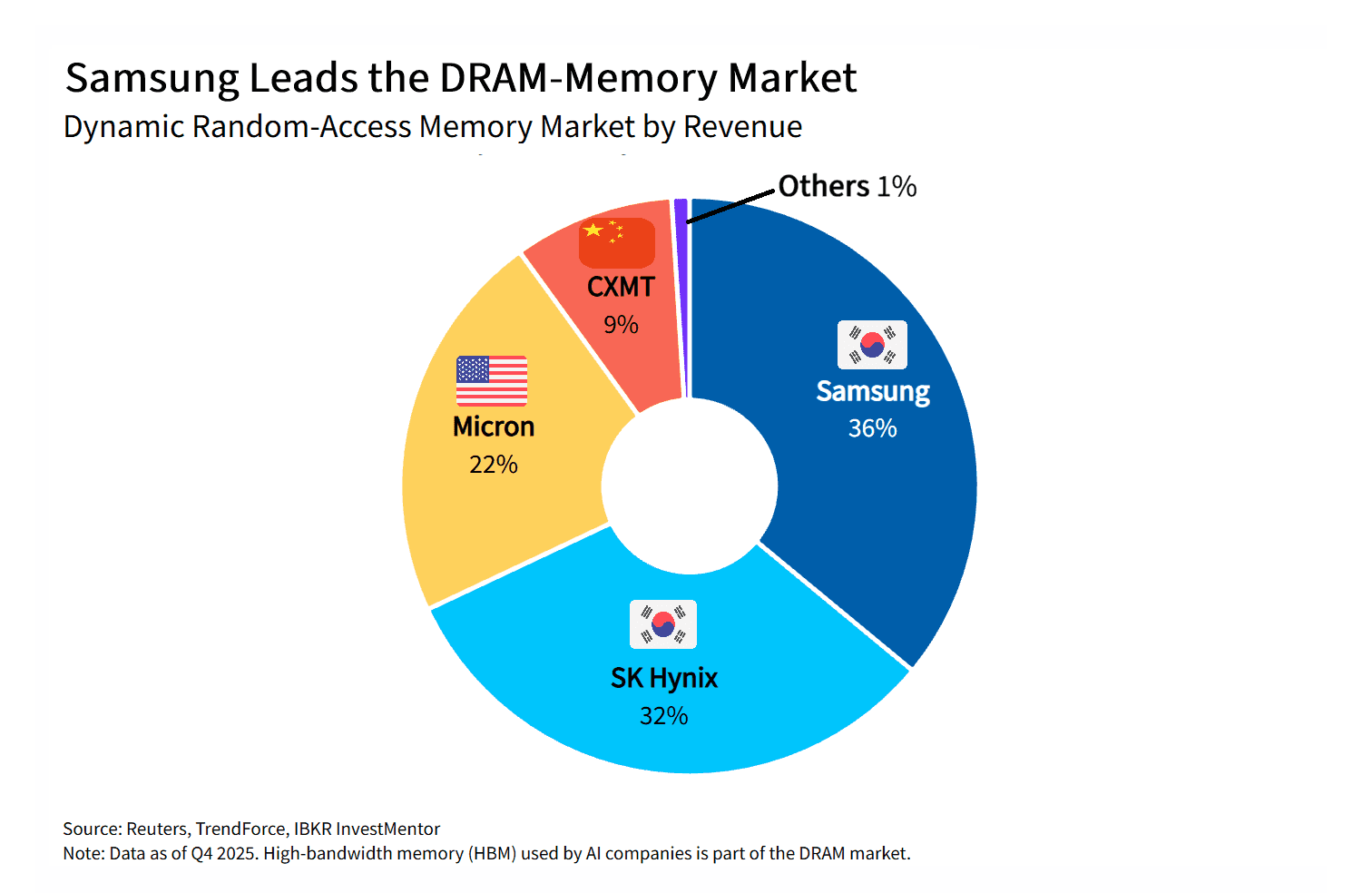
The AI boom needs more than fancy processors. Data centers also devour high-end memory chips, which temporarily store and rapidly move the vast quantities of data AI systems work with.
AI server companies and hyperscalers like Amazon and Google have been buying huge amounts of memory and paying handsomely for it. Manufacturers have consequently devoted more capacity to this lucrative market, tightening supplies available for consumer electronics like phones, PCs and tablets. The result: higher costs for the companies making those devices.
Apple now expects supply constraints on Macs and iPads during the crucial holiday quarter and forecasts memory chip prices to climb further next year.
Apple fights for the most-valuable-company title evenly with Nvidia. Its enormous order volumes, ample cash reserves, and sophisticated supply chain give it serious bargaining power with suppliers.
Yet even Apple says there is “less flexibility in the supply chain than normal.” If one of the world’s biggest electronics buyers is struggling to obtain enough memory at attractive prices, smaller manufacturers have even fewer cards to play.
The squeeze could mean pricier electronics across the industry. We’ve already seen this with new flagship phone prices creeping up and companies like Sony and Nintendo hiking up gaming console prices. Even car companies like General Motors have warned of increased costs.
So, how does new CEO John Ternus manage a chip shortage while keeping investors happy?
Apple had $36 billion of cash available at the end of September. Unlike some of the other tech firms, it has not spent a lot on data centers and high-end AI chips. This gives Apple a buffer to ride through the hard times, while smaller rivals suffer more.