
Commodities
Hormuz Standoff
US–Iran Battlefield Heats Up as Diplomacy Grinds On
5/26/20265/27/2026
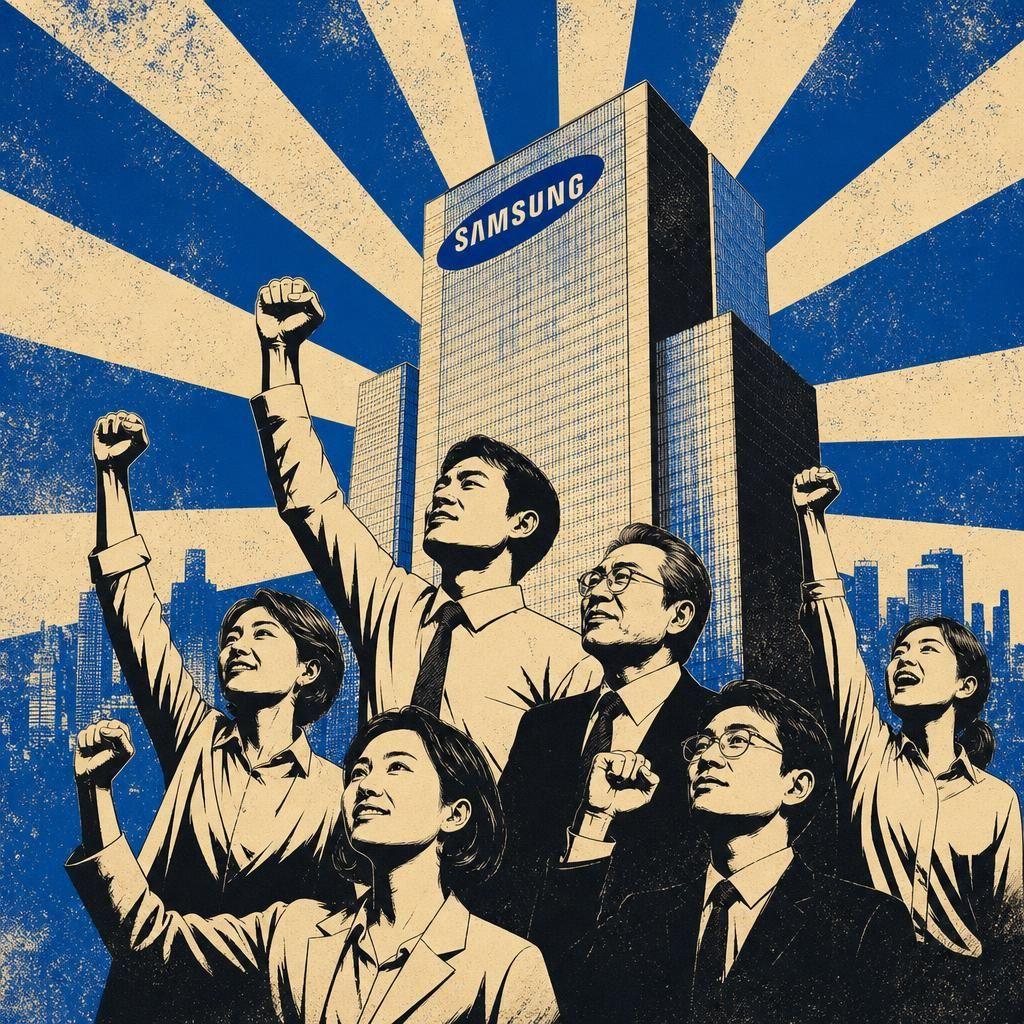
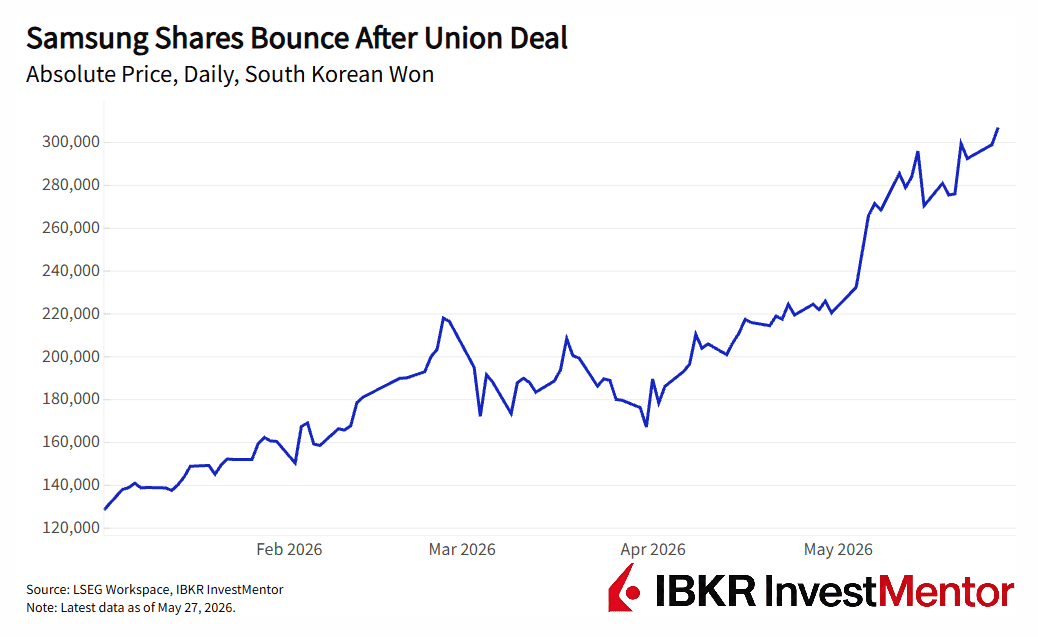
Samsung came close to a major shutdown. Around 48,000 workers had planned an 18-day strike, threatening global memory chip supply during an acute shortage.
Instead, the South Korean government managed to mediate a deal. 74% of union members approved it, ending months of tension. And despite the generous terms to workers, the markets cheered. Samsung’s shares briefly jumped around 9% to a record high in Seoul on the news, closing up 3%.
This landmark deal shows how employees in the fragile AI supply chain can leverage their position. It could embolden unions and define similar labor disputes in South Korea and beyond.
The numbers negotiated by the union are staggering. Workers in Samsung’s most profitable memory chip unit are set to get almost $400,000 in bonuses this year on average.
Under the agreement, Samsung’s 78,000 chip workers will receive a 10.8% share of the company’s operating profit. That’s before tax, so employee bonuses are prioritized over the government revenue. This is on top of the existing 1.5% bonus scheme.
40% of the bonus pool, which could be around $23 billion this year, will be divided equally among all chip workers. The rest will be performance-based. Much of this will be given out in stock, not cash.
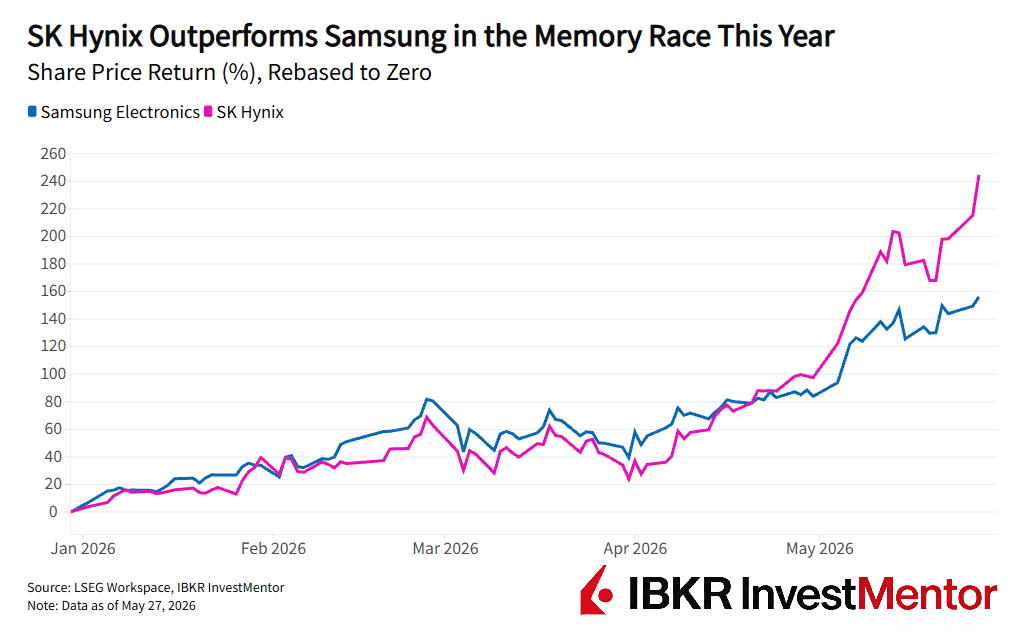
Samsung wasn’t acting out of generosity. Its hand was forced by a rival memory-chip maker, SK Hynix.
Last year, SK Hynix set the precedent by becoming the first South Korean company to agree in writing to share 10% of its operating profit with workers. The move widened the bonus gap between the two companies and made SK Hynix a more attractive place to work.
SK Hynix still offers better overall terms, with average bonuses this year expected to approach $500,000. But Samsung is creeping closer. Competition for top talent is intensifying in the AI supercycle, as demand for chips keeps climbing.
This pay explosion is powered by one force: AI demand.
The AI chip boom is not just about Nvidia, which designs many of the end products used by companies like Google, OpenAI, and Anthropic. Nvidia doesn’t make memory and has to buy it from companies like Samsung. Because memory, particularly ultra-fast DRAM chips, is in such short supply, valuations of those companies are skyrocketing.
To South Korea, Samsung is far more than just a company. It resisted unionization for a long time but finally gave in after a corruption scandal in 2020 weakened its bargaining power.
That scale turns corporate disputes into national concerns, explaining why the government wanted to intervene. Officials warned a prolonged strike could shave 0.5 percentage points off economic growth. But the Samsung pay deal could open Pandora's box. Workers in other South Korean companies, like Kakao and LG Uplus, are already demanding similar profit-sharing arrangements.
Want to explore more? Download our free app to unlock expert news updates and interactive lessons about the financial world.