
Economy
On-Off Tariffs
Tariffs Off for Now as the Feud Over Greenland Cools
1/19/20261/20/2026

Japan had another bumpy day on Tuesday as investors reacted to the news of a snap election. Bond yields spiked, yen weakened, and stocks dipped.
Japan’s first female Prime Minister, Sanae Takaichi, is dissolving the parliament just three months into the job, with the election scheduled for 8 February. She’s hoping to leverage her high personal approval rating (+60%) to gain a steadier foothold in the lower house.
So, why so glum? The PM is running on the promise of scrapping the 8% sales tax on food for two years — leaving a $32 billion hole in the already strained public finances. This comes on top of a huge stimulus push and a record budget.
The election itself wasn’t shocking. The governing party LDP announced the plans already a week ago. But investors worry that both the Prime Minister and her opponents are promising tax cuts without explaining how to pay for them.
At over 230%, Japan’s government debt-to-gdp is the highest in the world, and rising bond yields make it more expensive for the government to borrow more.
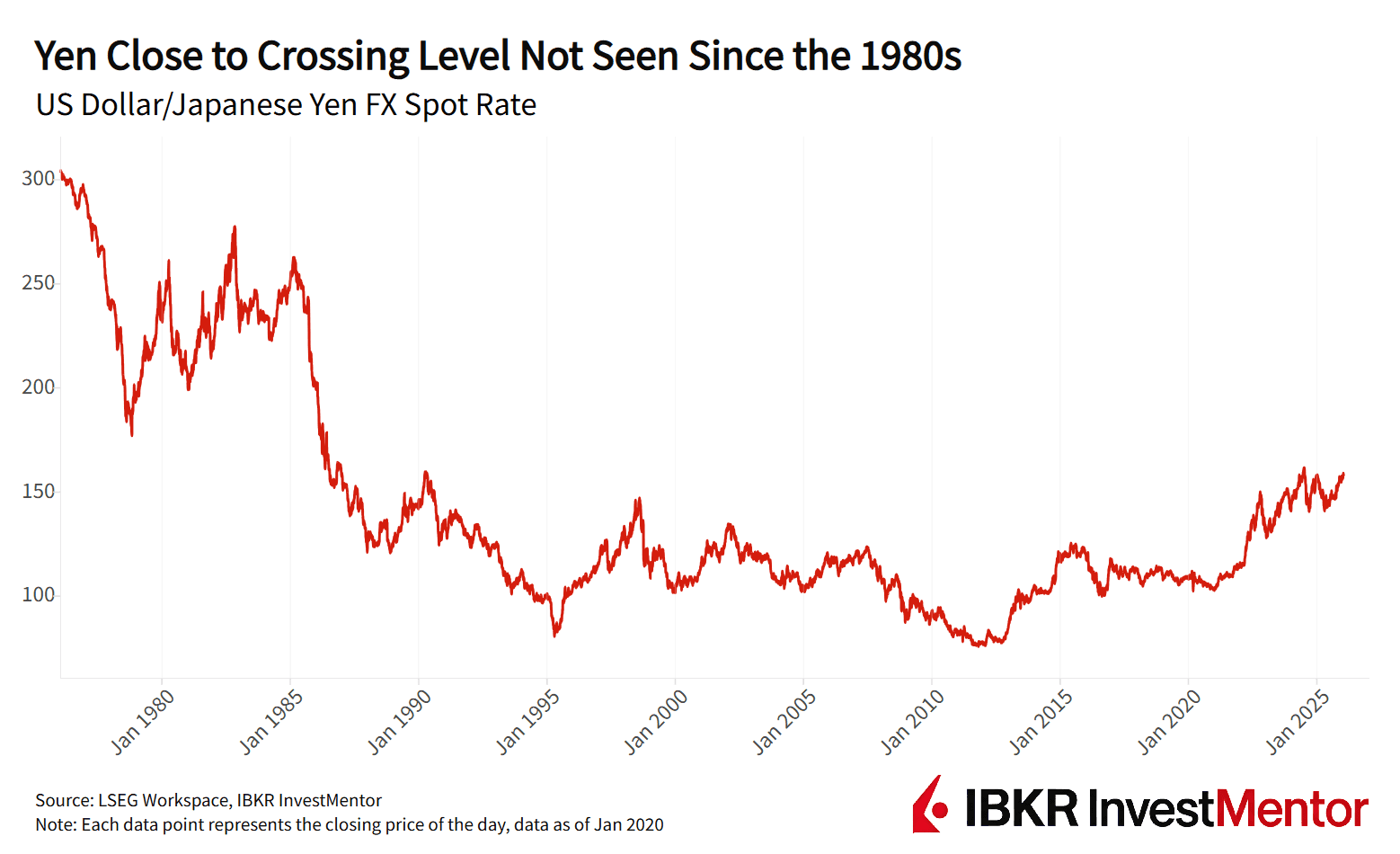
In another headache for the government, the yen keeps weakening. Global investors aren’t convinced Japan has a steady path ahead.
Already before the snap election announcement, yen was hovering at an 18-month low against the dollar — and very close to levels not seen since the 1980s. Finance Minister Satsuki Katayama has floated the possibility of a coordinated intervention with the US to support the yen.
If Prime Minister Takaichi wins the upcoming election and gets a stronger mandate for her stimulus program, the yen may face even more pressure.
And all that brings us to inflation. For decades, Japan was struggling with deflation (prices and wages going down or flatlining), with inflation only returning in the aftermath of the pandemic.
But now prices have been rising too fast — especially Japan’s staple food, rice. The price of rice has more than doubled since 2024. The ¥3,000 rice voucher included in December’s stimulus package doesn’t even buy one 5-kilo sack of rice, which now costs over ¥4,400.
Scorching summers and rice-eating stink bugs have damaged the harvest. And the government policies encourage farmers to grow less rice, benefiting the farmers’ lobby with higher prices.
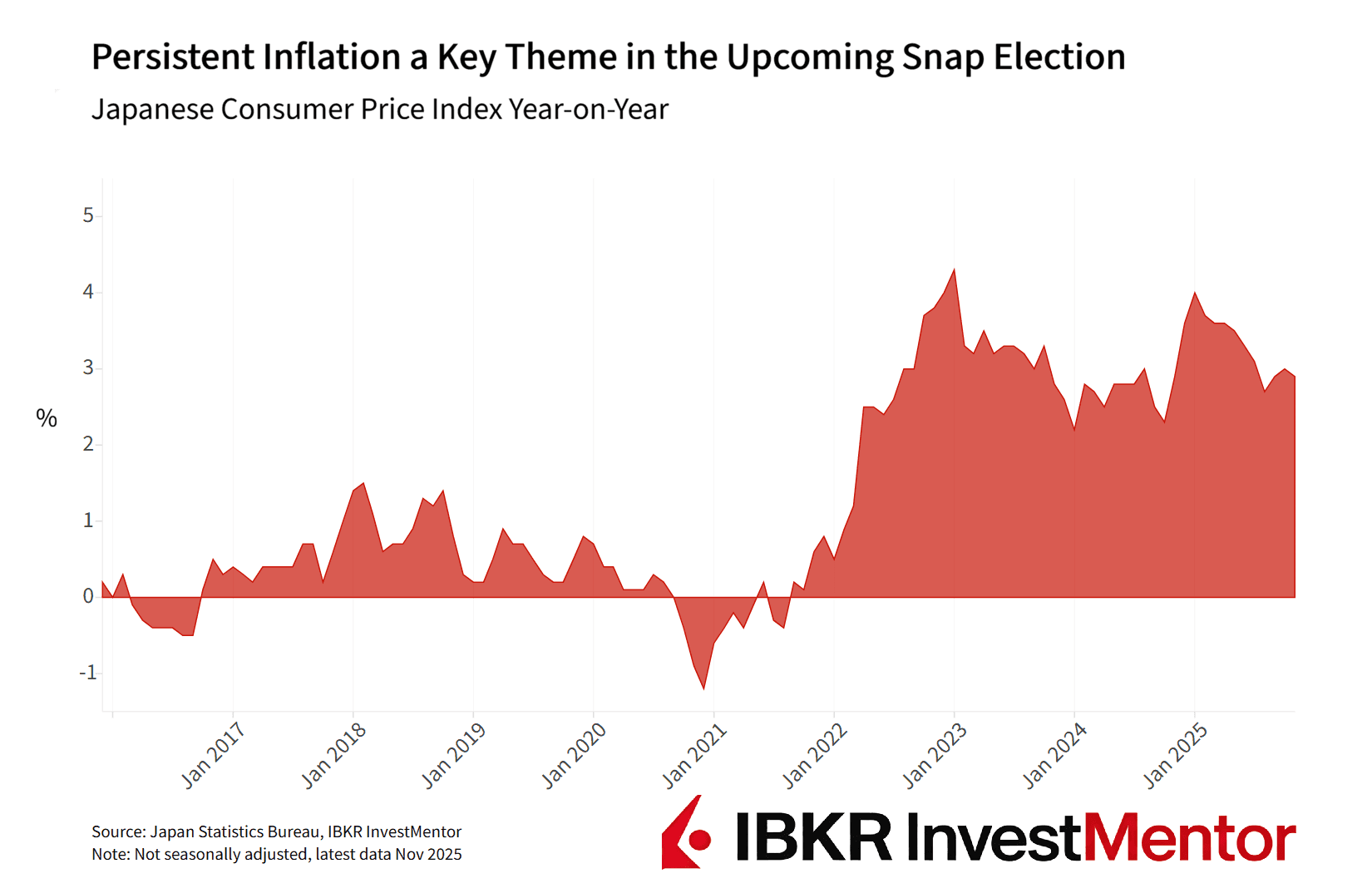
The Bank of Japan has been slowly raising interest rates for almost two years — a huge shift after decades of ultra‑cheap money. The goal is simple: stop inflation from getting too hot (=keep it at 2% or under).
A weaker yen is making imports pricier, bond yields are already climbing, and now the election is promising even more government spending.
If the BOJ raises rates again, it risks pushing borrowing costs even higher for a government already drowning in debt. If it waits, the yen could slide further and make inflation worse. The central bank is expected to leave the rates untouched at 0.75% in this week’s meeting, but more hikes are expected later this year.
Want to explore more? Download our free app to unlock expert news updates and interactive lessons about the financial world.