
Consumers
Money & Music
Eurovision Economy Packed in One Wacky Week
5/11/20265/12/2026

Investors don’t really care how the rubbish is collected in Calderdale or Kirklees.
But the UK local elections on May 7 shook up the political map to the extent that even the bond markets took note. In addition to remapping the council seats across 136 English local authorities, people also voted for mayors and elected new governments for Wales and Scotland.
The governing Labour Party suffered historic losses, loosening Prime Minister Keir Starmer’s grip on power. These elections also served as a test for populist Reform UK and its leader, Nigel Farage, who is leading in the polls to take over in the next general election (not due until 2029). The results shifted expectations about who might be running the UK government next.
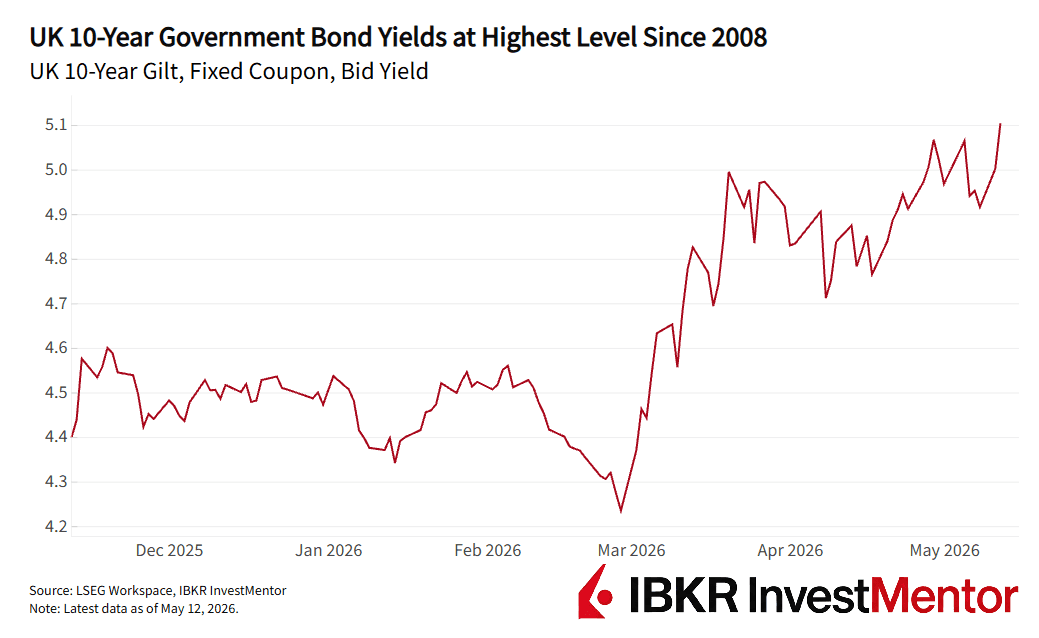
UK government bonds are called gilts. When investors sell them, prices fall and yields rise. A higher yield means the government has to pay more to borrow money.
That’s exactly what happened after the election:
Investors were asking for extra compensation to hold long‑term UK debt.
The worry isn’t just over a messy leadership fight, although the UK has seen its fair share of those. The bigger issue is what comes next for fiscal policy — how the government spends and raises money.
Starmer and UK finance minister Rachel Reeves have tied the Labour government to fiscal rules that limit borrowing and debt and have attempted, unsuccessfully, to drag the UK back on the growth path. Although the Labour Party is left-wing, it has shifted towards the centre under Starmer. A successor may have different ideas.
Around 80 Labour MPs have called on the prime minister to set a timetable to step aside. Four ministers resigned on Tuesday.
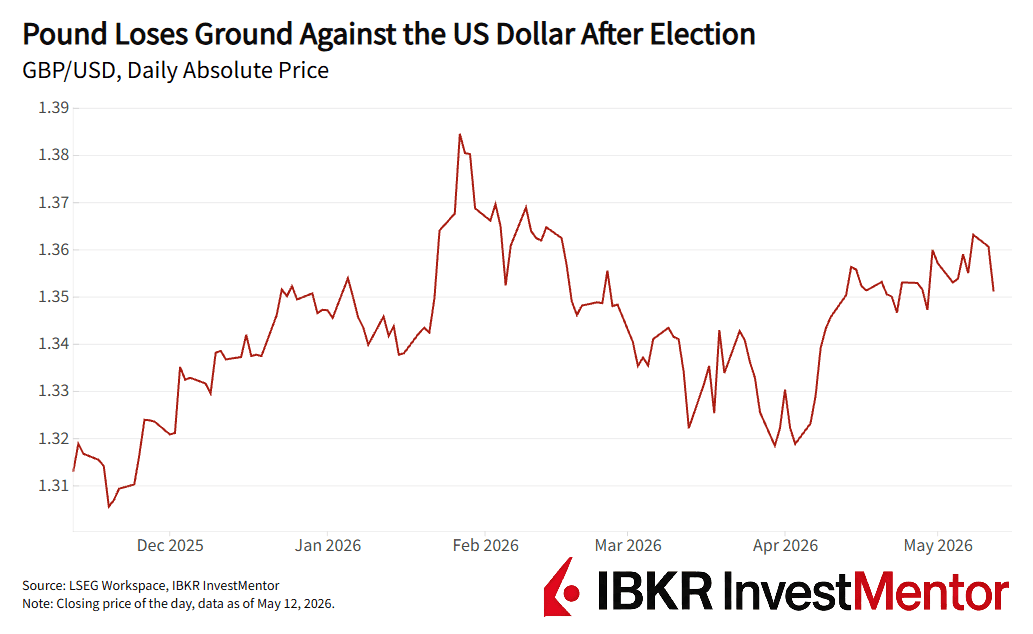
Currencies react quickly to political uncertainty because they reflect international confidence.
As questions grew about UK leadership, the British pound fell about 0.5–0.7% against the US dollar in a single day. That’s a large move in the FX. Betting markets put the odds of a UK prime ministerial exit this year as high.
A weaker pound signals that some investors are reducing exposure to UK assets. It doesn’t judge policy. It reflects risk around leadership, spending plans, and inflation control.
UK bank stocks also fell, with major lenders down more than 3% in a day. That happened without any new regulation being announced.
This is how politics and markets interact:
You don’t need to follow every election closely. But ignoring who governs the economy means missing a key driver of prices.
Want to explore more? Download our free app to unlock expert news updates and interactive lessons about the financial world.