Companies
Historic Layoffs
Volkswagen Plans Radical Cost Cuts: 100,000 Jobs in Danger
6/26/2026
6/26/2026
This week’s US data gave the Federal Reserve a problem it cannot easily look past. While growth is holding up, consumers are still spending, and inflation is still way too high.
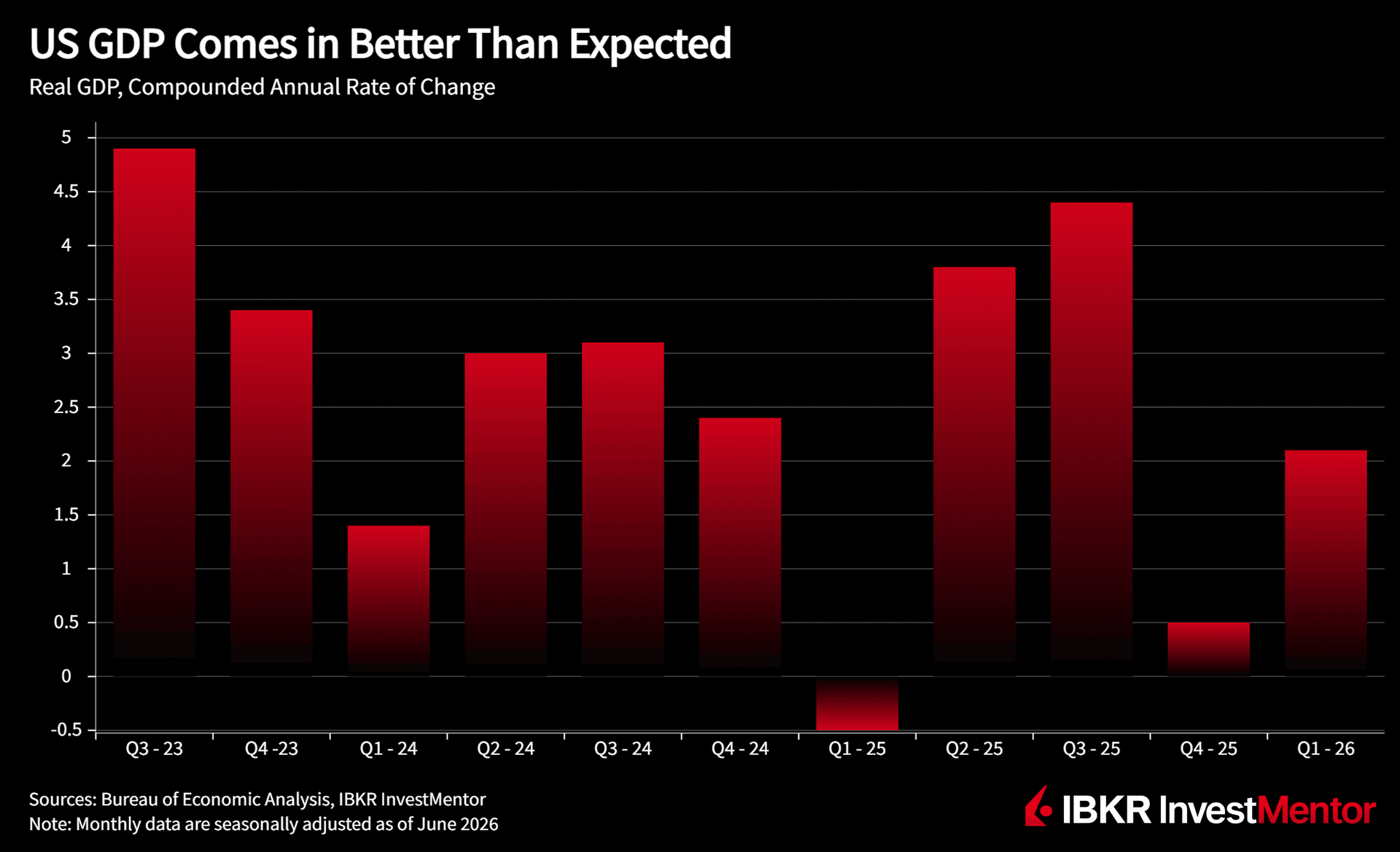
First-quarter Gross Domestic Product (GDP) was revised up to 2.1%, better than the prior 1.6% estimate. But the upgrade was due to lower imports driven by US tariffs on foreign goods, rather than a surge in household demand. Consumer spending was actually revised downward, and private domestic demand looked softer than the headline number suggested.
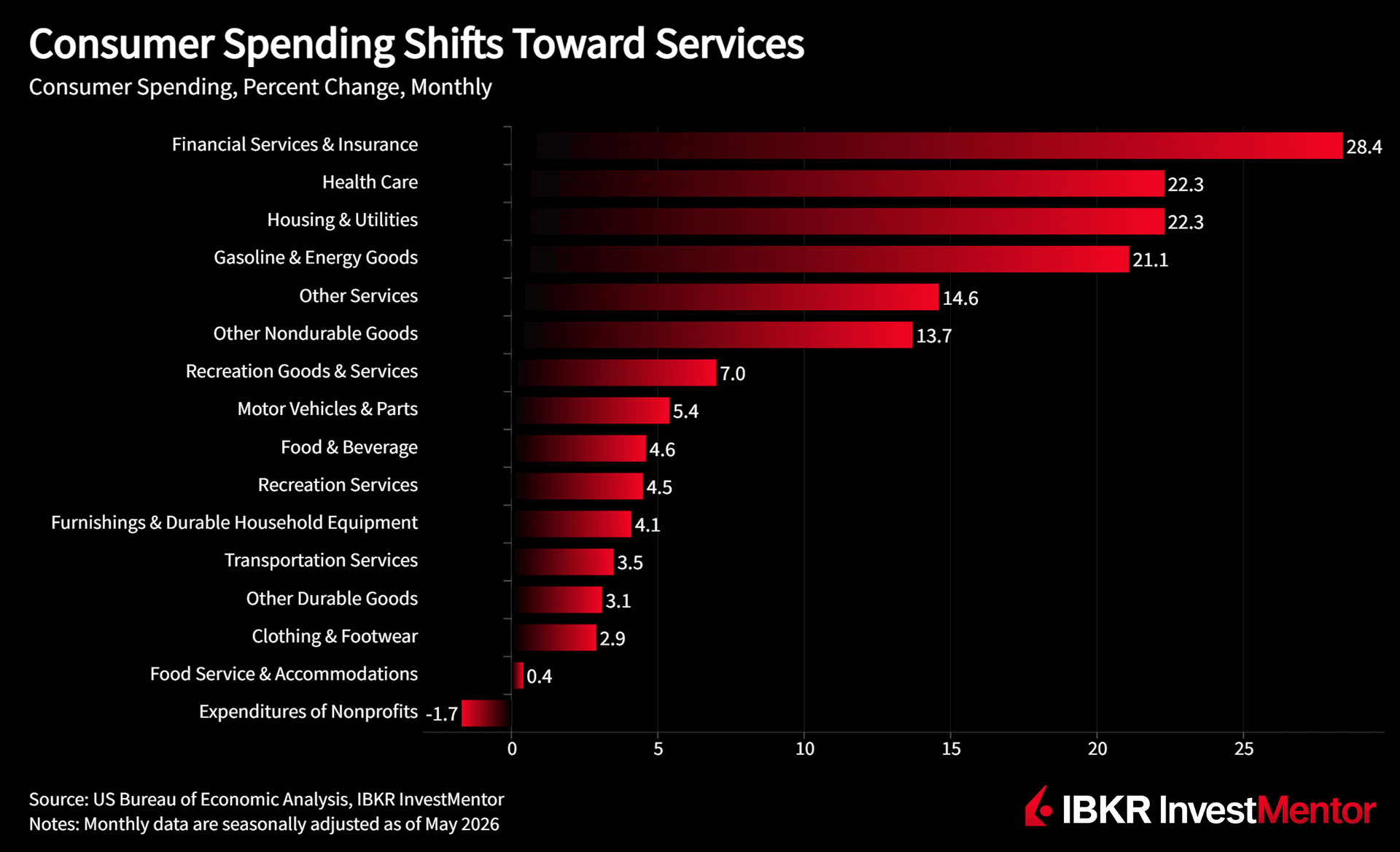
The May Personal Consumption Expenditures (PCE) report will be even harder for the central bank to dismiss. Personal income rose 0.7% on the month, and spending matched that pace. Even after adjusting for inflation, real consumption increased. Consumers are not exactly thriving, but they are still spending enough to keep the economy moving.
Inflation, though, refuses to subside. The PCE price index — the Fed’s preferred metric — jumped 4.1% from a year earlier. Core PCE, which strips out volatile food and energy prices, rose 3.4%.
Inflation is well above the Fed’s 2% comfort zone. The worry is that higher fuel costs triggered by the Iran war are pushing prices up across the economy, not just at the pump.
Consumer sentiment improved in June, helped by some early relief in gasoline prices. But the mood is still weak. The University of Michigan’s final sentiment index rose to 49.5 from 44.8 in May, while year-ahead inflation expectations stayed elevated at 4.6%.
Gas prices gave households a bit of breathing room, but the broader squeeze has not gone away. Inflation expectations have cooled slightly, but they are still too high to ignore.
This week’s data gave the Fed little reason to soften its tone. Growth is holding up, consumers are still spending, and inflation remains too firm for policymakers to start laying the groundwork for cuts. Markets have noticed. The CME FedWatch tool now puts the probability of a July rate hike at 29.9%, still below the odds of a hold but high enough to indicate that raising the interest rates is no longer a long shot.
That leaves new Fed chair Kevin Warsh with a harder hand than markets wanted. The economy has not weakened enough to force relief, inflation has not cooled enough to dismiss, and consumers are still feeling the squeeze. Unless price pressures abate quickly, the Fed may choose to stay hawkish as it has less room to write this off as a temporary energy shock.