Economy
Rate Watch
Knife-Edge Rate Call Ahead UK Budget
11/6/202511/10/2025
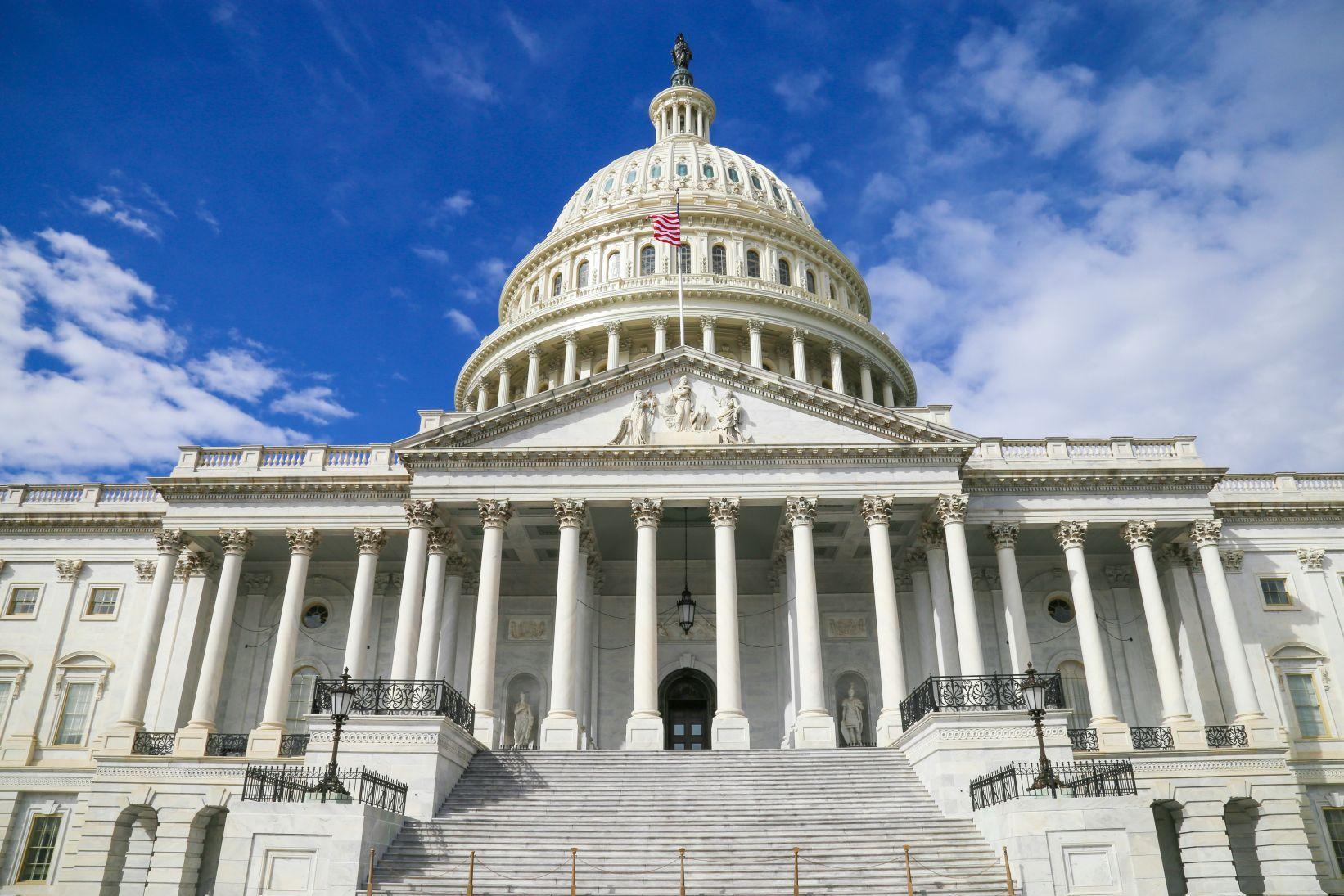
The US Senate has advanced a funding bill that could end the longest government shutdown in American history. The vote was razor-thin: just 60-40 in favor of the deal — the minimum required to overcome a Senate filibuster. The bill would fund most agencies through January, leaving the door open to another shutdown.
Next steps:
The US government shutdown has suspended services nationwide. 1.4 million Americans are on unpaid leave or working without pay.
Other impacts:
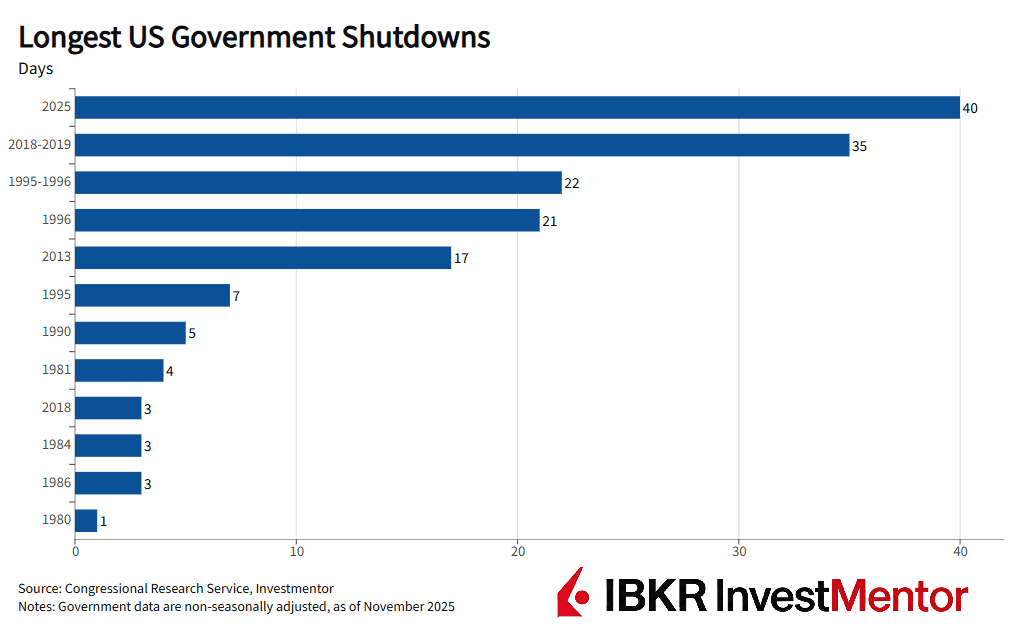
Most democracies have mechanisms in place to fund government services even if lawmakers struggle to agree on a budget. This used to apply to the US as well.
A 1980 Attorney General ruling reshaped the rules: federal agencies can’t spend without approved funding. That means each fiscal year, starting in October, brings the risk of a government shutdown.
Just like this time, lawmakers often come up with a stopgap measure that can keep the lights on temporarily. This “kicking the can” approach means multiple shutdowns in the same year are possible.
From a market perspective, the biggest issue is the data blackout. The Federal Reserve relies on fresh data to guide interest rate decisions — but key reports on inflation and jobs are delayed or cancelled.
Markets responded cautiously to the Senate’s breakthrough.
Wall Street is used to budget standoffs, although a prolonged shutdown could start eroding confidence. The real source of volatility lately? Tech stock valuations, not the shutdown.
Congress is trying to break the gridlock on the longest US government shutdown on record.
A Senate-backed deal would fund most agencies through January, but it still needs the House's approval and the President’s signature.
Want to explore more? Download our free app to unlock expert news updates and interactive lessons about the financial world.