
Commodities
Crude Chaos
Hopes Pinned on US-Iran Talks as the Oil Shock Continues
3/23/20263/25/2026
Fortnite developer Epic Games is laying off over 1,000 employees, around a fifth of its workforce, sending shockwaves across the industry.
Fortnite is a free‑to‑play online game where players battle for survival. It makes money by selling in‑game items like character skins, battle passes, and virtual currency. It once set a Guinness World Record when 15.3 million people played at the same time during a Marvel‑themed event. While daily users are on decline, it remains hugely popular, with 650 million registered users and over a million players logging in on an average day.
If one of the highest-grossing video games is struggling, this raises a bigger question: What about the rest of the industry?
One-third of the American workforce in video games was laid off in the past two years, a recent industry survey found. On a global scale, the figure is 28%. TIGA, the UK trade association of video games, just warned of “the most severe downturn on record.”
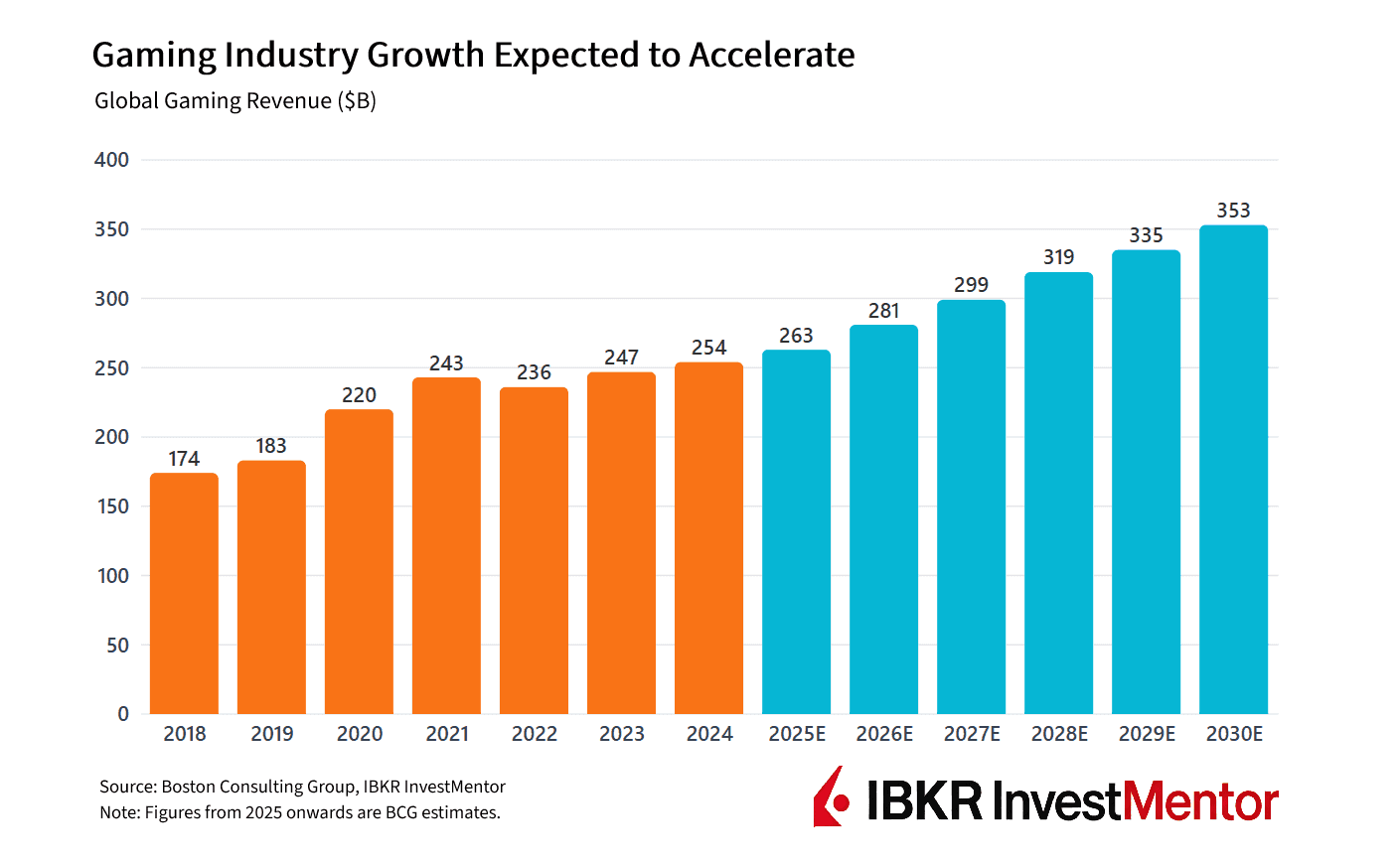
Much of this is post-pandemic restructuring. Video games surged in popularity during the Covid-19 lockdowns, leading to a hiring spree. The same companies are now downsizing. Apart from a slight dip in 2022, the industry revenues have continued to grow, but the pace has slowed.
The worst could be over: Boston Consulting Group is forecasting “the next era of growth” from this year onwards.
Epic Games CEO Tim Sweeney said the layoffs follow a drop in Fortnite engagement, with the company spending more than it earns. That surprised many, as Fortnite is seen as a money‑making machine.
Part of the pressure comes from legal battles and building its own digital marketplace. In 2020, Epic sued Apple and Google, challenging the 15–30% cut they take from in‑app purchases and their control over payment methods.
Epic forced meaningful changes, but at a price:
Epic’s CEO was quick to say the layoffs aren’t related to AI. But he did not rule out AI use “to the extent it improves productivity.” Across the industry, AI is already downsizing teams by taking over repetitive work and testing.
Gamers are deeply sensitive about AI in creative work, so companies tread carefully. Nvidia CEO Jensen Huang had to publicly defend the company’s new AI rendering tool DLSS 5, after gamers accused it of “AI slop” that undermines artistic integrity.
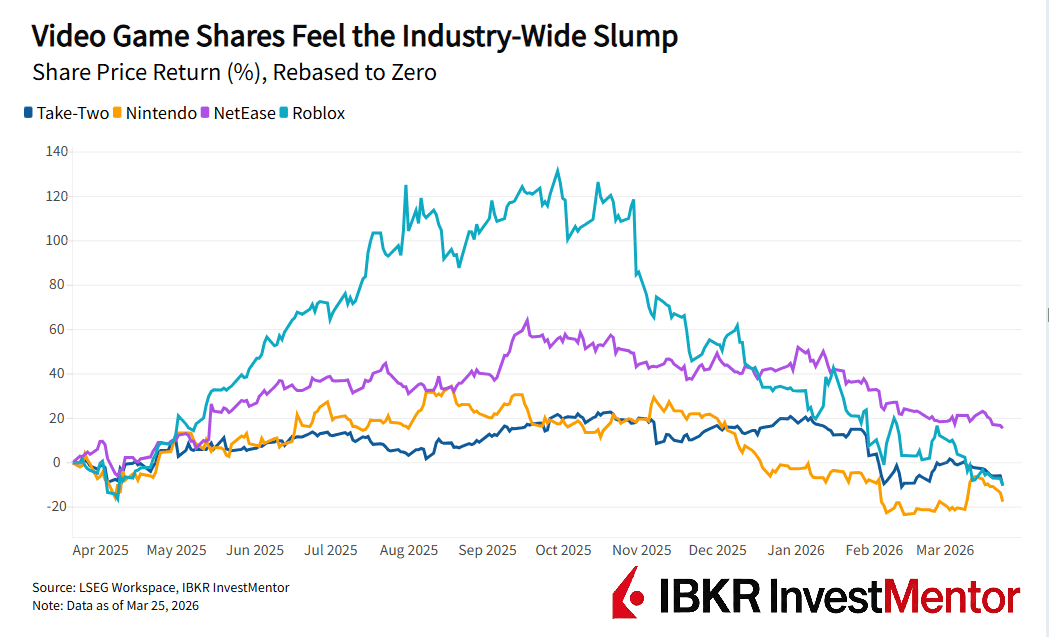
Epic isn’t listed on a stock market, but its major shareholders include public companies like Tencent and Disney. For investors, Epic’s layoffs point to deeper issues across the sector.
Gaming has become harder to value and riskier to own. And some of the household stocks could soon be delisted:
There are fewer large, pure‑play gaming companies available to retail investors. Many are private, absorbed into tech giants, or too volatile to be reliable long‑term bets.
Want to explore more? Download our free app to unlock expert news updates and interactive lessons about the financial world.