Commodities
Diesel Alert
G7 Tries to Tame Diesel Crisis as Eurozone’s Prices Jump
10/2/2026
10/5/2026
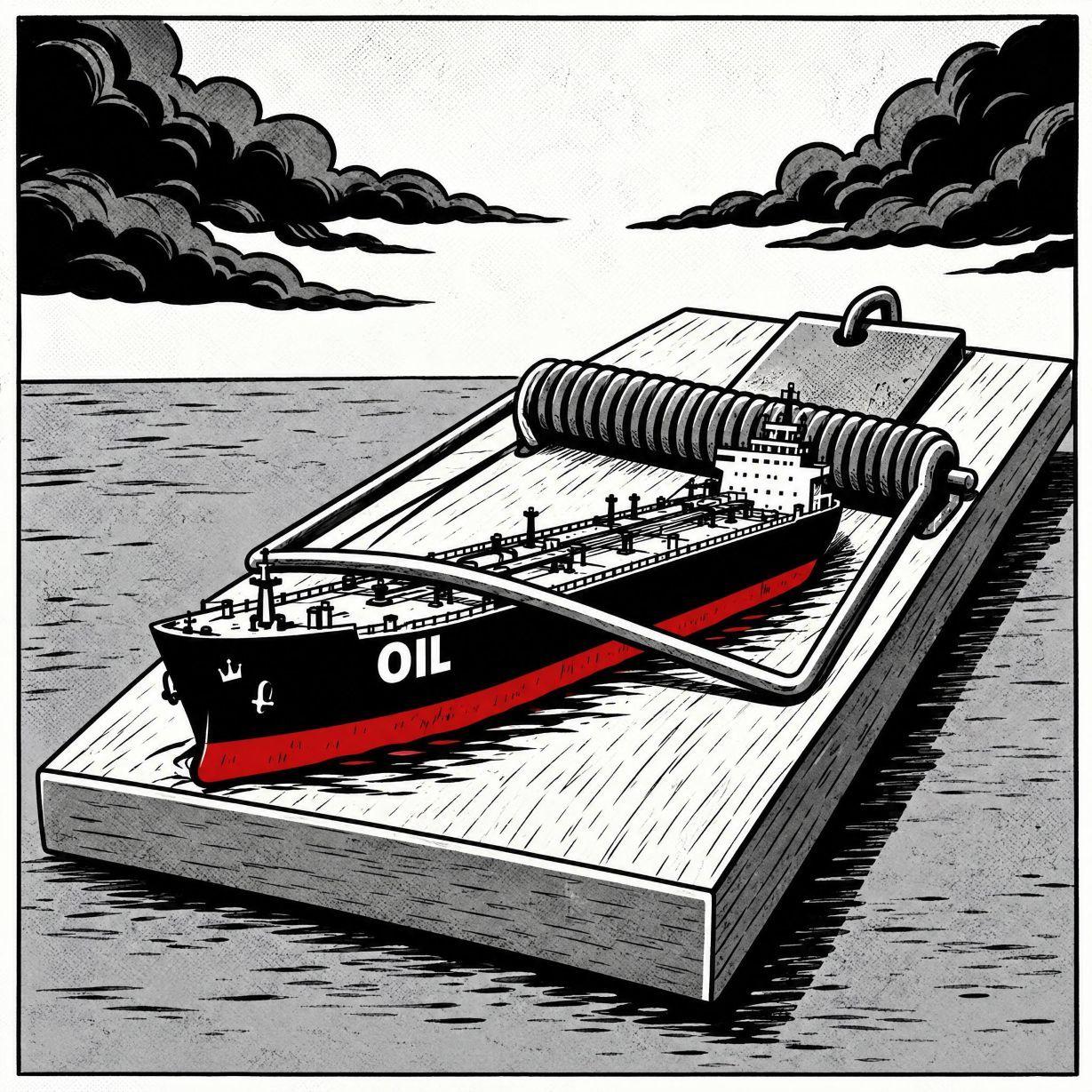
For about half of September, Gulf oil exports climbed above pre-war levels — a surprising milestone with the Iran War ongoing since February 28.
Crude exports from the Middle East hit 18.3 million barrels per day on September 30, with exports topping pre-war levels on 14 days during the month, according to analytics firm Kpler. In the 12 months before the war, crude exports from the region averaged about 18 million barrels a day.
Much of the recovery came from Saudi Arabia, which increased shipments from both its Gulf and Red Sea export routes, despite Iran still threating ships in the Strait of Hormuz and its Houthi allies targeting tankers in the Red Sea. Yet, oil prices remain stubbornly high.
Before the war, the oil market was heading for a glut. Then the US and Israel attacked Iran, and Tehran effectively shut the Strait of Hormuz, a route that normally carries about 20% of the world's oil.
In the past few months, exporters have adapted. Saudi Arabia first rerouted crude through its East-West pipeline to the Red Sea. But after that pipeline was attacked in September, it sent more oil back through Hormuz and found the route more easy to use than expected. Iraq also resumed tanker traffic, while traders expanded ship-to-ship transfers in the Gulf of Oman.
The result? Gulf crude is reaching the market in large volumes, even though attacks haven't stopped. Once the East-West pipeline is fully back online, Saudi exports could grow even more.
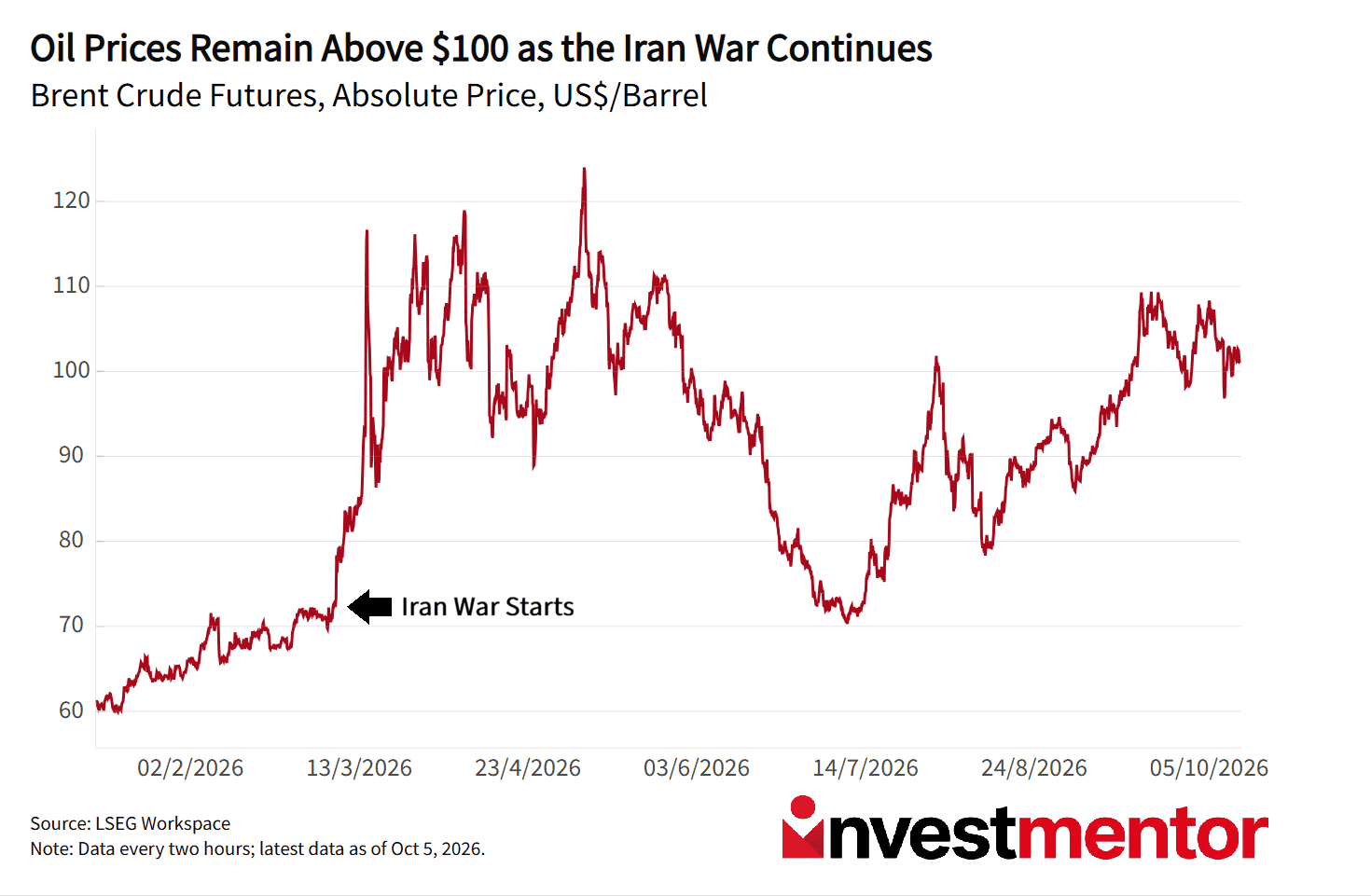
If more oil is reaching buyers, shouldn't prices be dropping to pre-war levels then? Normally, yes. But several factors are keeping prices elevated, especially for refined products like diesel:
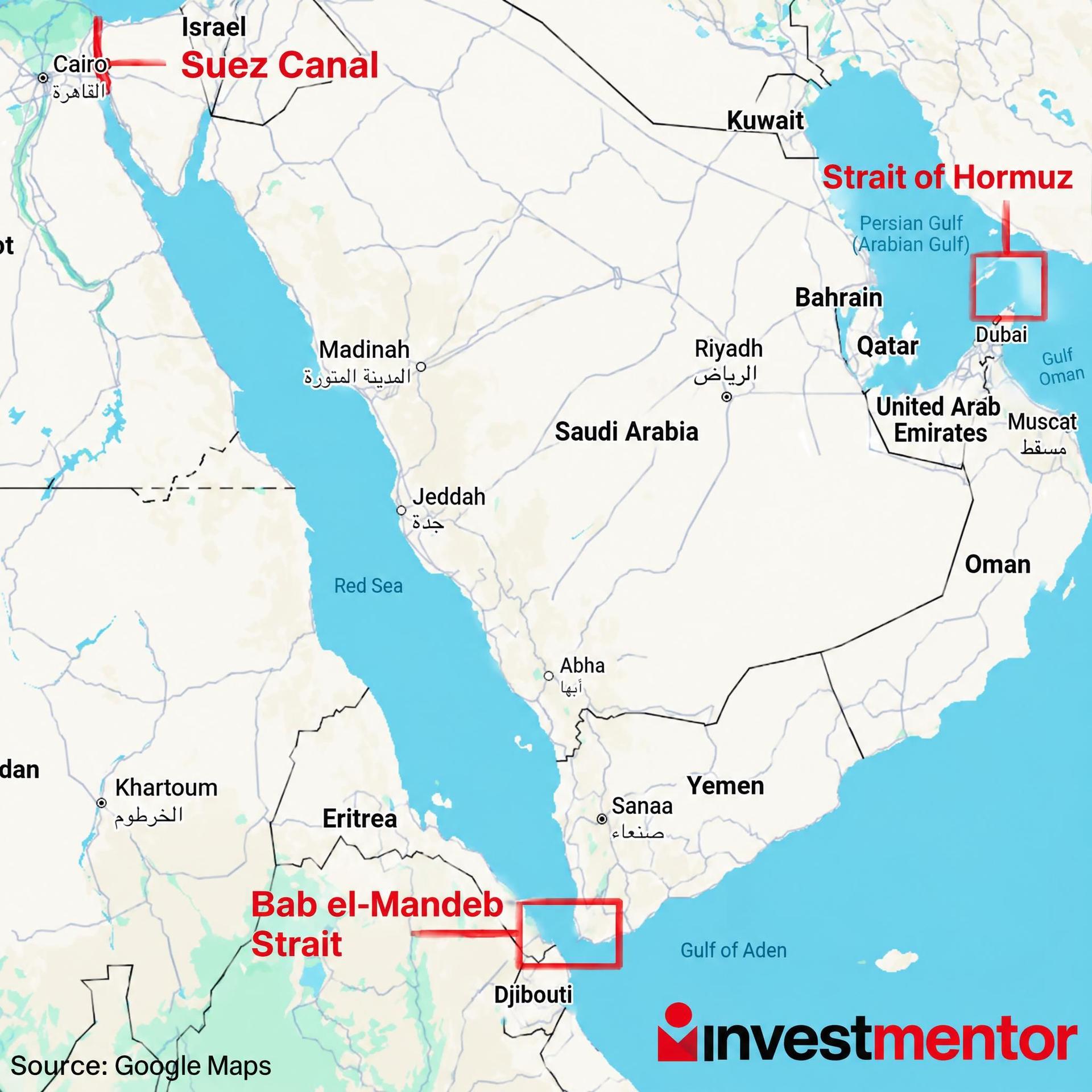
Saudi-backed Yemeni government forces say they have secured effective control of Bab el-Mandeb Strait after launching a major offensive against the Iran-backed Houthis. The Houthis had threatened shipping in the area and launched attacks on Saudi territory.
Why does this matter? Because global energy supply depends on multiple chokepoints. The Strait of Hormuz is the famous one, but Bab el-Mandeb is a critical alternative. If the route stays under government control, that could provide some market relief.
But as the warring in Iran and neighboring regions continues, insurance and shipping costs are unlikely to come down any time soon.