
Economy
Ballots & Bonds
Why Local Elections in the UK Moved Bonds, the Pound, and Stocks
5/12/20265/12/2026

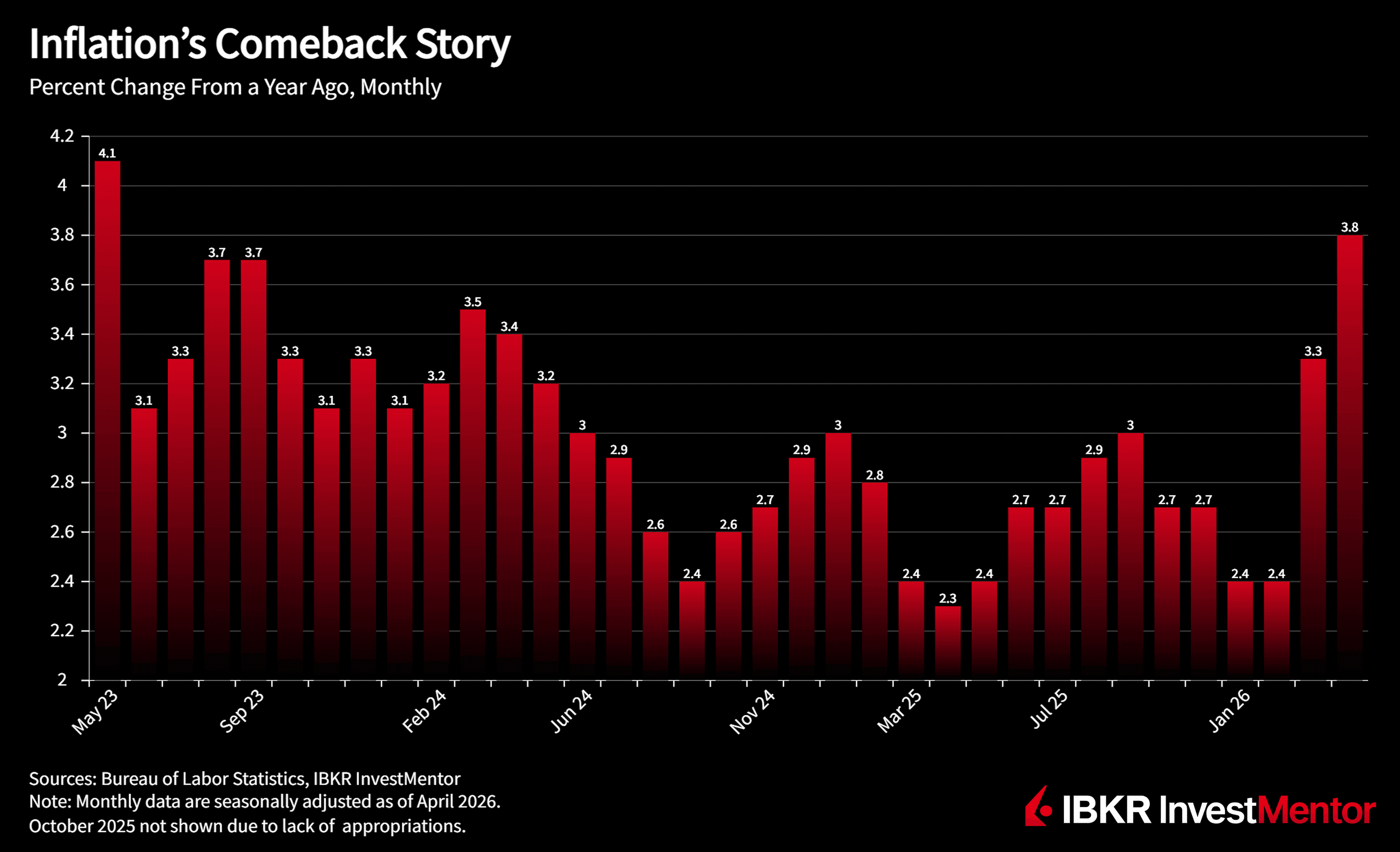
Time for a quick “receipt check.” The latest US Consumer Price Index (CPI) shows prices rose 0.6% in April. Over the past year, prices are up 3.8%, half a percentage point up from the previous month and the highest level since May 2023.
As a quick reminder, CPI is the way the US tracks how the prices of everyday goods and services change over time.
That basket of everyday costs is one way economists measure inflation, and in April, it got more expensive.
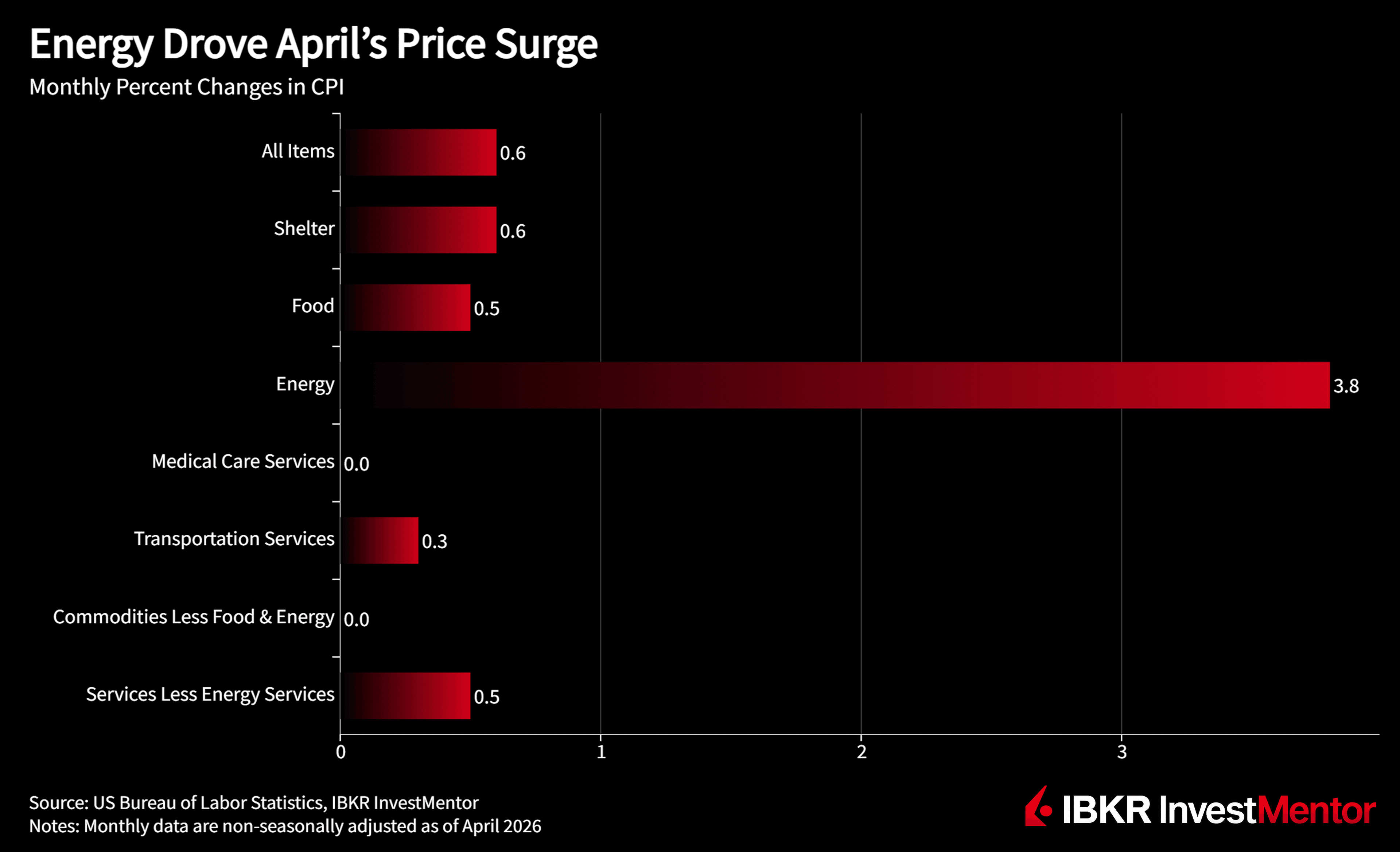
The loudest voice in the report was, not surprisingly, energy. The energy index jumped 3.8% due to the Strait of Hormuz supply crisis, accounting for over 40% of the overall monthly increase.
Meanwhile, the “can’t-ignore-it” basics kept climbing:
This suggests that price increases are happening across most parts of the economy.
“Core CPI” removes food and energy to see if inflation is sticking around even without these volatile items. In April, core prices rose 0.4% month over month and 2.8% over the year.
That matters because prices at the pump can cool off quickly, especially after a sudden spike. Core inflation is different; it tends to linger and move more slowly. When it starts heating up, inflation can become much harder for policymakers to tackle.
Markets reacted like they usually do to a hotter inflation read, with stocks slipping and treasury yields climbing as investors priced in a longer wait for easier interest-rate policy.
Right after the release:
The big question people are asking now is if April was a one‑off spike due to the energy punch, or the start of a messier inflation streak?
Want to explore more? Download our free app to unlock expert news updates and interactive lessons about the financial world.