
Politics
Deal Details
The US-Iran Agreement Returns Traffic to the Strait of Hormuz
6/18/2026
6/18/2026
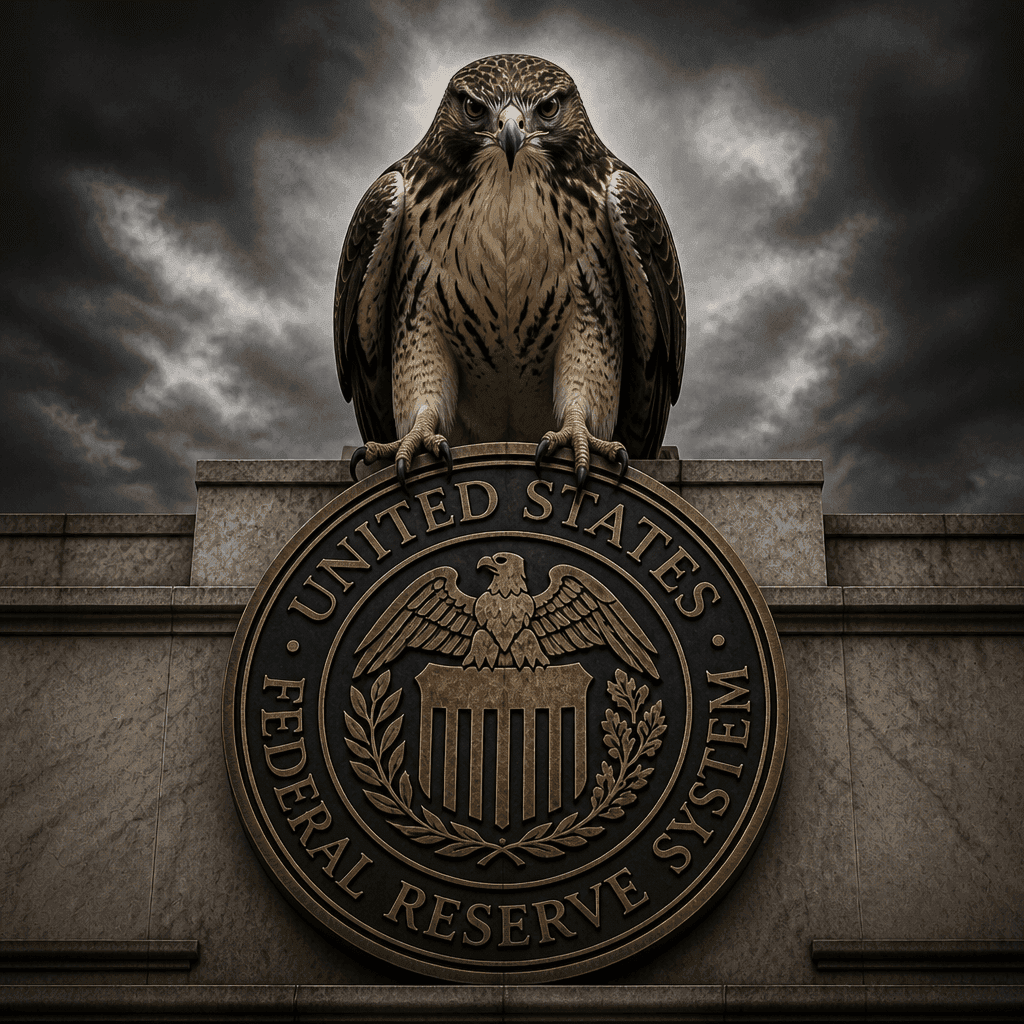
Kevin Warsh kept US interest rates unchanged at his first meeting as Federal Reserve chair, leaving the benchmark range at 3.50%–3.75%. That was the least surprising part of his debut.
The bigger shift came from his tone and how he chose to speak. The post-meeting statement was sharply shorter, dropped any bias toward cuts, and stripped out forward guidance entirely.
With inflation still running at 4.2%, more than double the Fed’s 2% target, Warsh was direct: “The commitment to deliver is strong, unanimous, and unambiguous. That’s a message we’ve missed for five years.”
Warsh announced five task forces to examine the Fed’s communications, balance sheet, data sources, productivity and jobs, and inflation framework. Independent experts from inside and outside the field of economics will staff them, with findings expected by year-end.
The balance sheet review carries the most immediate weight. Years of bond-buying left the Fed with a $6.7 trillion footprint in financial markets. Warsh wants to know whether that machinery still fits. He wants the Fed to measure up to private companies that use real-time information to make decisions: "What we’re less interested in is echoes of history.”
Forward guidance became central to Fed policy and modern central banking around the world after the 2008 financial crisis. The idea was that if markets knew what was coming, they could price it in early, and monetary policy would work faster.
The problem, according to Warsh, is that once the Fed signals a direction, reversing it costs almost as much as backtracking on a rate decision.
Markets began treating that guidance as a commitment rather than a forecast. The Fed paid that price in 2021 and 2022, holding to its “transitory” inflation call for too long before an abrupt pivot that damaged its credibility and contributed to the steepest rate-hiking cycle in four decades.
Warsh did not submit his projection for future interest rates. Nine of the 18 officials who did submit projections penciled in at least one rate hike this year. The Fed’s own updated forecasts put headline inflation at 3.6% by year-end, up from 2.7% in March.
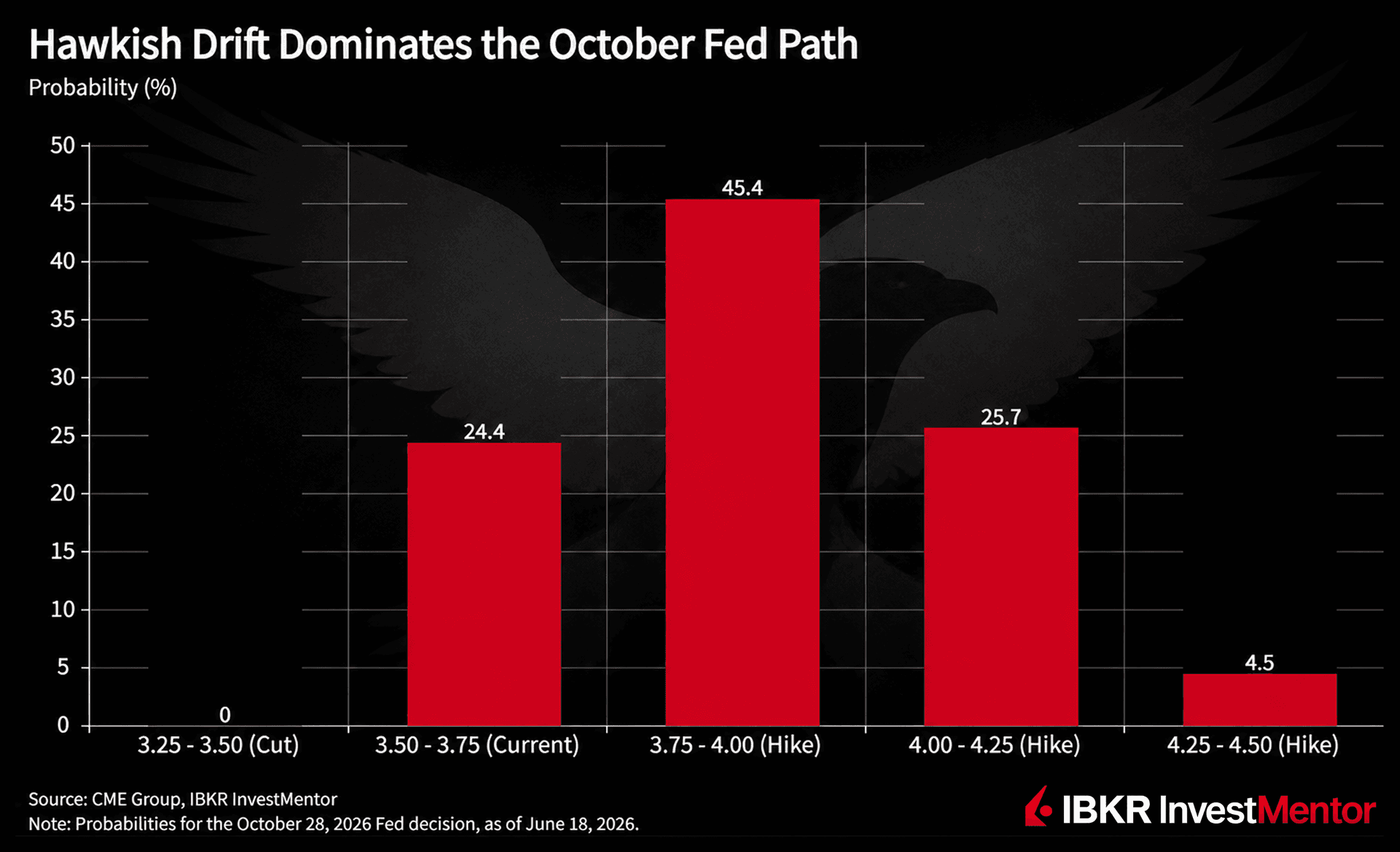
Markets moved accordingly. Two-year Treasury yields jumped above 4.2% to their highest level in more than a year, as investors priced in a tougher near-term Fed. The CME FedWatch tool put the probability of a hike by October at 75.9% as of June 18, 2026.
The Fed cannot order oil prices or grocery bills to go down. But it can try to prevent price shocks from spreading into wages, services, and wider inflation expectations.